HeadPowder, a leading enterprise in the field of pneumatic conveying technology, specializes in the design, manufacturing, and installation of advanced stone pneumatic conveying systems. With a strong presence in Shandong, China, the company has established itself as a reliable partner for industries requiring efficient and reliable material handling solutions. This article provides an overview of the stone pneumatic conveying system, detailing its structural components and operational principles.
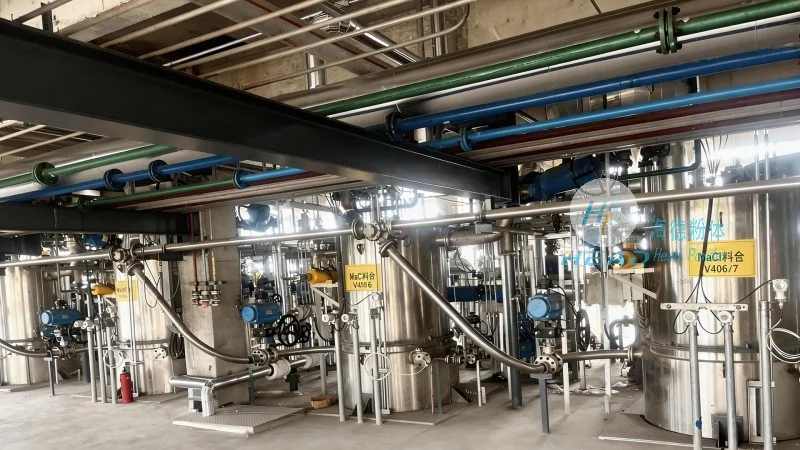
Company Profile: HeadPowder Engineering
HeadPowder, or Shandong HeadPowder Engineering Co., Ltd., is headquartered in Shandong, China. The company focuses on developing innovative pneumatic conveying solutions tailored to the unique needs of various industrial sectors. By leveraging years of experience and technical expertise, HeadPowder ensures that its systems meet the highest standards of performance, durability, and safety. The company's commitment to quality and customer satisfaction has earned it a reputation as a trusted provider in the material handling industry.
Overview of Stone Pneumatic Conveying Systems
Stone pneumatic conveying systems are engineered to transport bulk materials, such as crushed stone, gravel, and other granular substances, through an enclosed pipeline using compressed air. These systems offer a flexible and efficient alternative to traditional mechanical conveying methods, eliminating the need for heavy machinery and reducing operational costs. The primary advantage of pneumatic conveying is its ability to handle a wide range of materials, including those that are abrasive or have high moisture content, while maintaining consistent flow rates and minimizing material degradation.
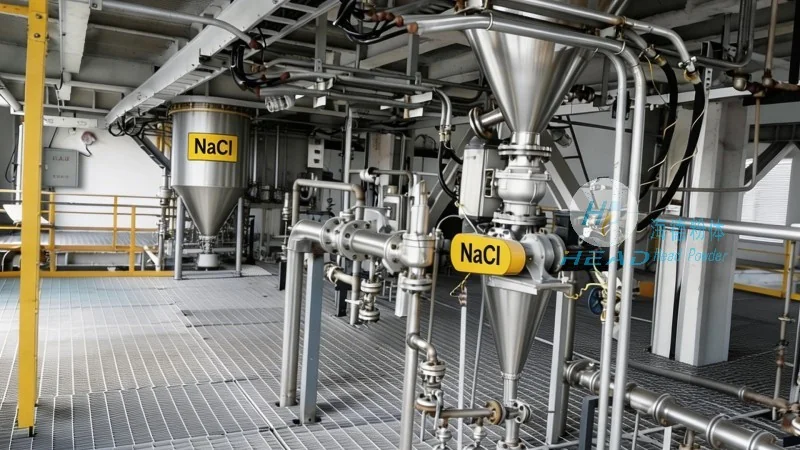
Structural Components of the System
The stone pneumatic conveying system consists of several key components that work in tandem to ensure smooth material transport. The main components include the material feeding unit, the air compressor, the conveying pipeline, the separation and cleaning system, and the discharge unit. Each component plays a critical role in the overall operation of the system.
The material feeding unit is responsible for introducing the stone material into the system. It typically includes a hopper or a feeder that controls the flow rate of the material, preventing overloading and ensuring a steady supply to the conveying line. The air compressor generates the necessary pressure and volume of air to move the material through the pipeline. The conveying pipeline is made of durable materials, such as stainless steel or high-density polyethylene, to withstand the abrasive nature of the stone and the pressure of the compressed air. The separation and cleaning system is crucial for maintaining the efficiency of the system by removing any accumulated material or debris from the pipeline. Finally, the discharge unit collects the material at the end of the conveying line and delivers it to the intended destination.
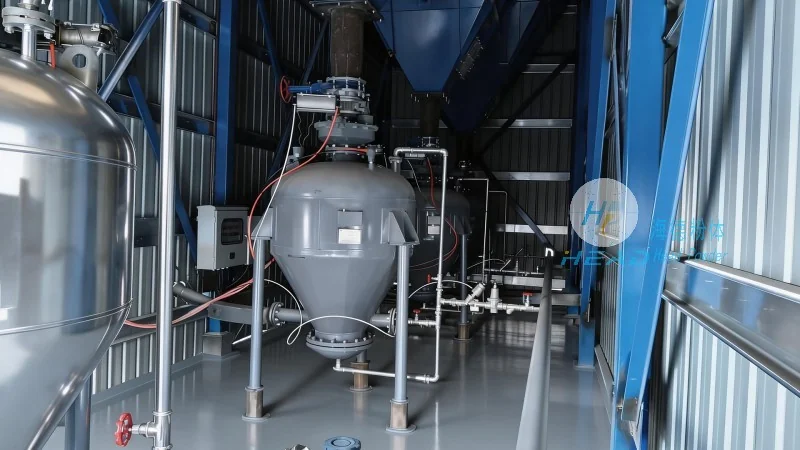
Working Principles of the System
The operation of the stone pneumatic conveying system is based on the principle of fluidization and pneumatic transport. When compressed air is introduced into the conveying pipeline, it creates a low-pressure zone that draws the stone material into the air stream. The material is then carried through the pipeline by the air flow, which can be either positive pressure (where air is forced into the system) or negative pressure (where air is drawn out of the system). The system's design ensures that the material is transported in a controlled manner, with minimal turbulence and reduced risk of material degradation.
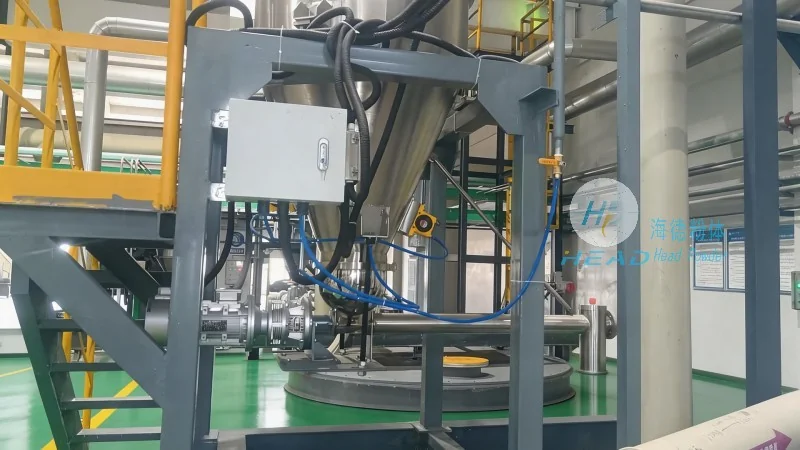
The air compressor plays a vital role in maintaining the pressure and flow rate required for efficient material transport. The compressor's capacity is matched to the system's requirements, ensuring that sufficient air is available to move the material without causing excessive pressure drops or energy consumption. The conveying pipeline's length and diameter are carefully selected to optimize the system's performance, minimizing pressure losses and maximizing the material's velocity. The separation and cleaning system is designed to remove any material that may have accumulated in the pipeline, preventing blockages and ensuring continuous operation.
Advantages and Applications
Stone pneumatic conveying systems offer several advantages over traditional mechanical conveying methods. These include reduced labor costs, increased efficiency, and improved safety. The systems are also highly adaptable, allowing for easy integration into existing production lines and modifications to accommodate changing material requirements. HeadPowder's stone pneumatic conveying systems are widely used in various industries, including construction, mining, and manufacturing. They are particularly suitable for transporting materials in environments where dust control and hygiene are critical, such as food processing and pharmaceutical industries.




