HeadPowder, a leading enterprise in the field of powder handling technology, specializes in the design, manufacturing, and installation of advanced pneumatic conveying systems. This article provides a comprehensive overview of the micro silica powder pneumatic conveying system, focusing on its structural design and operational principles. The system is engineered to efficiently transport fine powders like micro silica, ensuring high reliability, low maintenance, and optimal performance in industrial applications.
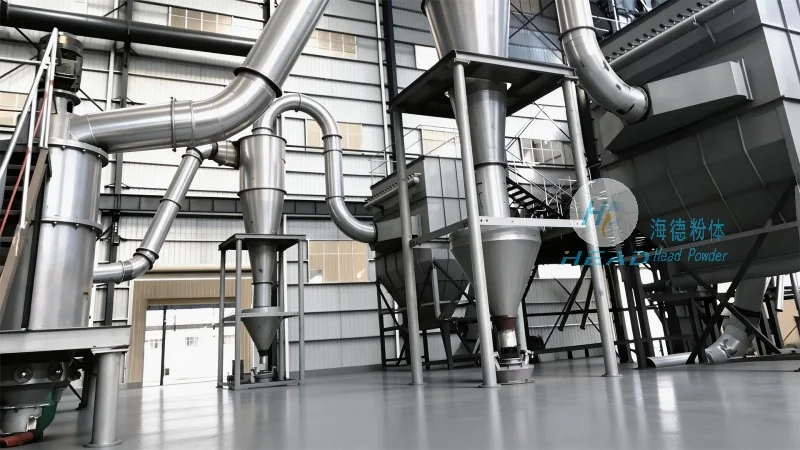
Company Profile: Shandong HeadPowder Engineering Co., Ltd.
HeadPowder, with its headquarters in Shandong, China, is a professional manufacturer dedicated to providing high-quality pneumatic conveying solutions. The company leverages years of experience and technical expertise to develop systems tailored to the specific needs of various industries, including construction materials, chemical processing, and food processing. Our commitment to innovation and customer satisfaction has established us as a trusted partner in the powder handling sector.
Overview of the Micro Silica Powder Pneumatic Conveying System
The micro silica powder pneumatic conveying system is a sophisticated piece of equipment designed to transport fine powders through a pressurized air stream. This system is particularly suitable for micro silica, a fine powder with high specific surface area and low bulk density, which poses unique challenges in traditional conveying methods. The system's design addresses these challenges by integrating advanced components that ensure efficient, safe, and reliable material transport.
Structural Components and Design
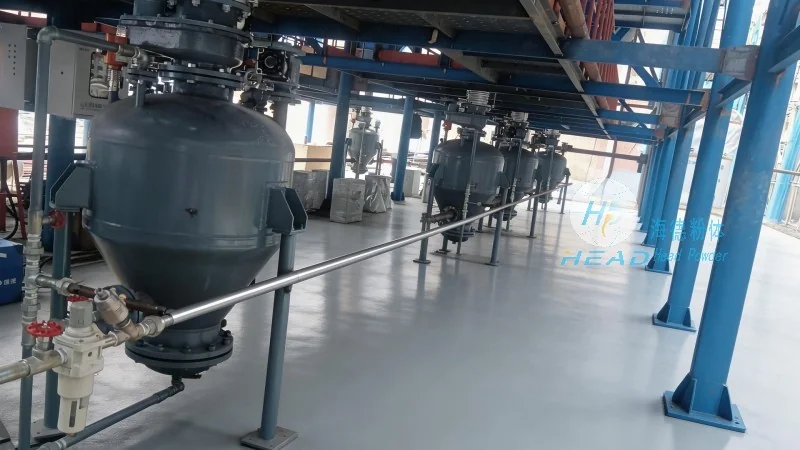
The system consists of several key components, each playing a crucial role in the overall operation. The main components include a material feeder, a conveying line, a separator, and a dust collection system. The material feeder is responsible for feeding the micro silica powder into the system at a controlled rate, preventing blockages and ensuring consistent flow. The conveying line, typically made of stainless steel or other corrosion-resistant materials, is designed to withstand the pressure and temperature conditions of the conveying process. The separator, often a cyclone or bag filter, separates the powder from the air stream, ensuring that the powder is collected efficiently and the air is cleaned before release. The dust collection system further enhances the system's performance by capturing any fine particles that may escape during the conveying process.
Working Principle of the Pneumatic Conveying System
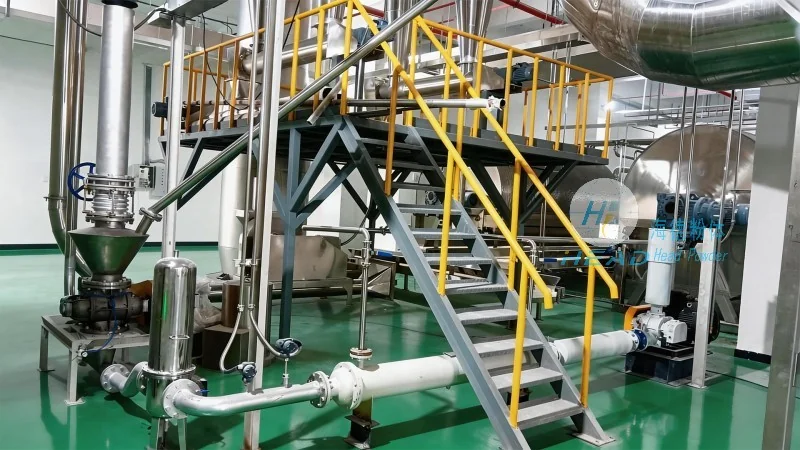
The operation of the micro silica powder pneumatic conveying system is based on the principle of pneumatic transport, where the powder is suspended and transported by a high-velocity air stream. The process begins with the material feeder feeding the micro silica powder into the conveying line. The air, which is typically compressed and heated to a specific temperature, is introduced into the line at a controlled pressure. The air stream creates a low-pressure zone within the line, which draws the powder particles into the air stream, forming a dense phase or dilute phase flow, depending on the system design. The conveying line transports the powder-air mixture to the destination point, where the separator separates the powder from the air. The separated powder is collected in a storage bin or directly to the next processing stage, while the air is filtered and released back into the environment.
Advantages of the Micro Silica Powder Pneumatic Conveying System
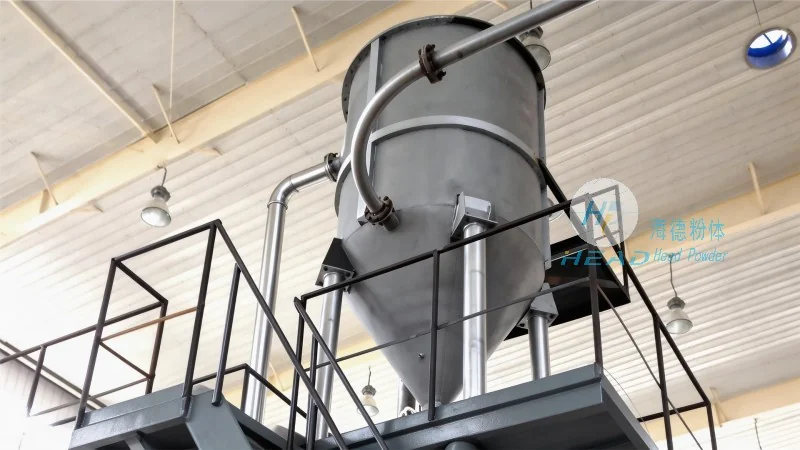
Compared to traditional conveying methods such as belt conveyors or screw conveyors, the micro silica powder pneumatic conveying system offers several advantages. Firstly, it eliminates the need for mechanical contact with the powder, reducing the risk of contamination and wear. Secondly, the system can transport powders over long distances with minimal loss, ensuring high material recovery rates. Thirdly, the system is compact and can be installed in confined spaces, making it suitable for various industrial settings. Additionally, the system is energy-efficient, as it uses compressed air to transport the powder, which can be integrated with the plant's existing air supply system.
Applications and Industries
The micro silica powder pneumatic conveying system is widely used in various industries that handle fine powders. In the construction industry, it is used to transport micro silica for concrete production, enhancing the strength and durability of concrete. In the chemical industry, it is used to transport micro silica for the production of coatings, adhesives, and other chemical products. In the food industry, it is used to transport micro silica for food processing, ensuring that the powder is handled in a clean and hygienic manner. The system's versatility and adaptability make it suitable for a wide range of applications, from small-scale production to large-scale industrial operations.




