Multi-point feeding pneumatic conveying systems represent a sophisticated and efficient method for transporting bulk materials over long distances or within complex industrial setups. These systems are widely utilized across various industries, including pharmaceuticals, food processing, chemicals, and mining, due to their ability to handle a diverse range of materials while maintaining high levels of efficiency and safety. The core of such systems lies in their ability to deliver materials from multiple feeding points to a central collection or processing unit, making them indispensable in modern manufacturing and material handling operations.
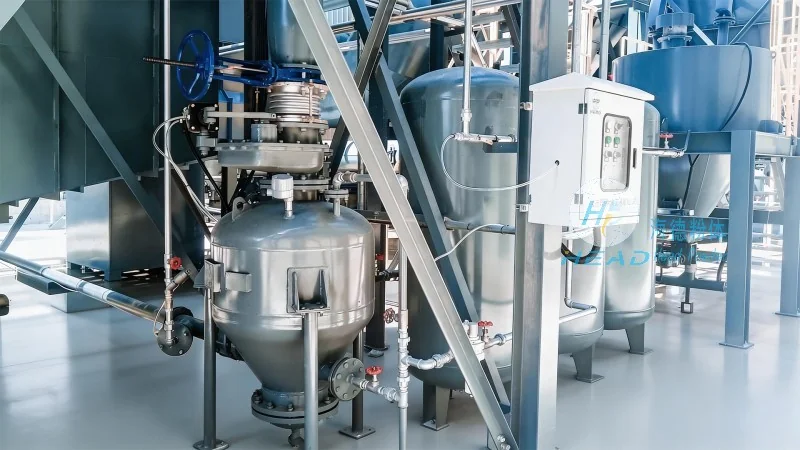
Key Components and Structural Design of Multi-Point Feeding Pneumatic Conveying Systems
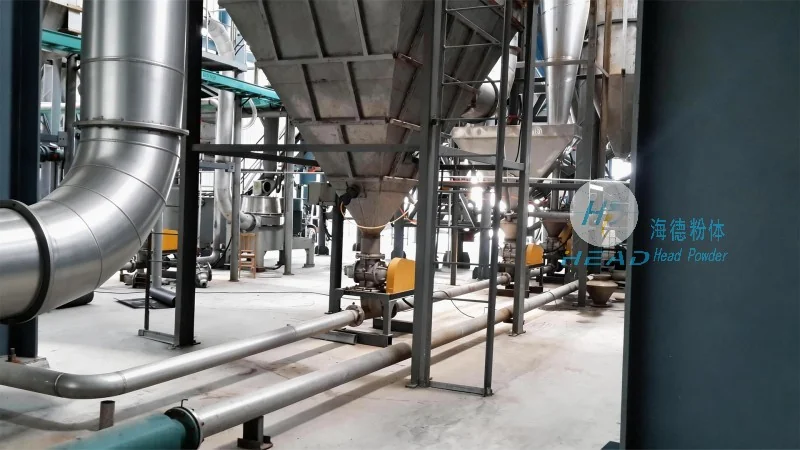
The structural design of a multi-point feeding pneumatic conveying system is characterized by several critical components that work in concert to ensure seamless material transport. At the heart of the system is the conveying pipeline, which serves as the primary pathway for the material. This pipeline is typically made from materials like stainless steel or high-density polyethylene, chosen for their durability, resistance to corrosion, and ability to withstand the pressures and temperatures associated with pneumatic transport. The pipeline is often equipped with bends, elbows, and straight sections, strategically placed to accommodate the layout of the facility and the multiple feeding points.
Multiple feeding points are integrated into the system, each designed to introduce material into the pipeline at different locations. These feeding points may include hoppers, chutes, or rotary valves, which control the flow rate and ensure consistent material delivery. The design of these feeding points is crucial as they must be capable of handling various material types, from fine powders to bulk solids, without causing blockages or uneven flow. Each feeding point is connected to the main pipeline through a transition section that minimizes pressure loss and ensures smooth material transfer.
The system also includes a blower or air compressor that generates the necessary airflow to move the material through the pipeline. This component is typically located at the discharge end of the system, where it draws air from the environment and compresses it to a pressure sufficient to overcome the resistance in the pipeline and lift the material. The blower is often equipped with controls that allow for adjustments in airflow and pressure, enabling operators to optimize the system for different material types and operating conditions.
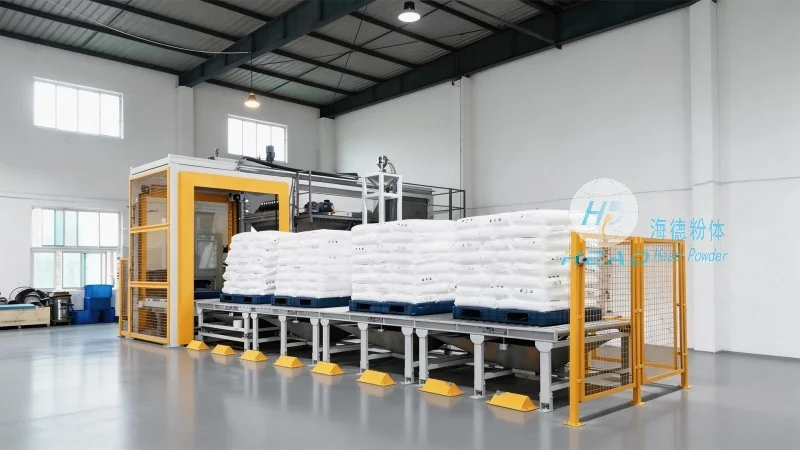
At the receiving end, the system features a separator or cyclone that separates the material from the air stream. This component uses centrifugal force to separate the heavier material particles from the lighter air, allowing the material to be collected in a hopper or bin. The separated air is then discharged back into the environment or recirculated back into the system, depending on the design and requirements. Some systems may also include a dust collector to capture any fine particles that escape the separator, ensuring compliance with environmental regulations and maintaining air quality within the facility.
Working Principles and Operational Mechanics
The operational mechanics of a multi-point feeding pneumatic conveying system are based on the principles of fluid dynamics and particle transport. The system operates by creating a pressure differential between the feeding points and the discharge end. The blower generates a high-pressure air stream that moves through the pipeline, carrying the material particles along with it. As the material is introduced at each feeding point, it is entrained by the airflow and transported to the central collection point.
The flow rate of the material is controlled by the speed of the blower and the pressure within the system. Higher airflow rates result in higher material transport speeds, while lower rates may be used for more delicate materials that require gentler handling. The system is designed to maintain a consistent flow, preventing issues such as clogging or uneven distribution of material. This is achieved through the use of adjustable valves and sensors that monitor the pressure and flow rates in real-time, allowing for immediate adjustments if any anomalies are detected.
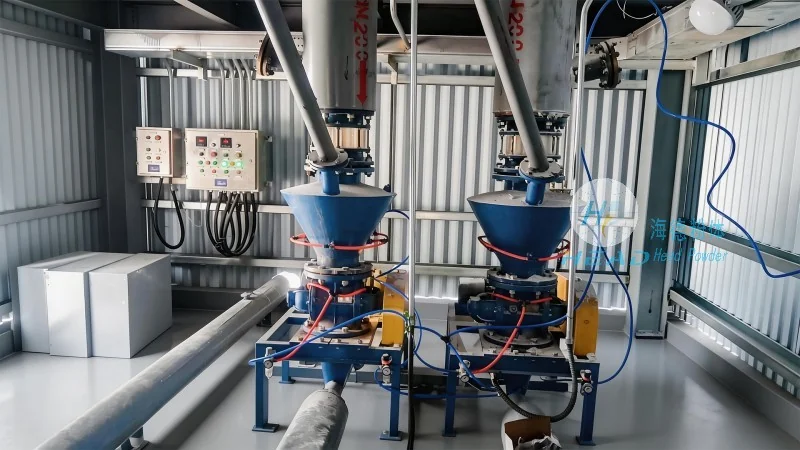
The separation process at the discharge end is critical to the efficiency of the system. The cyclone or separator uses centrifugal force to separate the material from the air. As the air and material mixture enters the separator, it is forced to move in a circular path, causing the heavier material particles to be thrown against the walls and collected at the bottom. The lighter air, now free of particles, exits the top of the separator and is either released or recirculated. This separation process is highly efficient, with most systems achieving separation efficiencies of over 90% for fine powders.
Advantages and Applications of Multi-Point Feeding Pneumatic Conveying Systems
Multi-point feeding pneumatic conveying systems offer several advantages over traditional material handling methods, making them a preferred choice in many industries. One of the primary advantages is their ability to handle a wide variety of materials, including powders, granules, and bulk solids, without the need for mechanical components like belts or conveyors that can cause wear and tear or contamination. The system is also highly flexible, as it can be easily modified to accommodate changes in production requirements or facility layout.
Another key advantage is the system's ability to transport materials over long distances with minimal energy consumption. Pneumatic conveying systems are generally more energy-efficient than mechanical systems, as they use compressed air to move the material rather than relying on motor-driven components. This results in lower operational costs and reduced environmental impact. Additionally, the system is relatively compact and can be installed in tight spaces, making it suitable for facilities with limited floor space.
These systems are widely used in various applications, such as transporting raw materials to production lines, moving finished products to packaging areas, or transferring waste materials to disposal sites. In the pharmaceutical industry, for example, multi-point feeding systems are used to transport active pharmaceutical ingredients (APIs) and excipients with high precision and minimal contamination. In the food industry, they are used to convey ingredients like flour, sugar, and spices, ensuring that the materials remain clean and free from cross-contamination. In the chemical industry, they are used to transport hazardous materials, providing a safe and enclosed environment that prevents exposure to workers.
Company Profile: Shandong HeadPowder Engineering Co., Ltd.
Shandong HeadPowder Engineering Co., Ltd., commonly known as HeadPowder, is a leading manufacturer and supplier of advanced material handling solutions, including multi-point feeding pneumatic conveying systems. With its headquarters located in Shandong, China, the company has established itself as a trusted partner for businesses seeking efficient and reliable material transport solutions. HeadPowder specializes in designing and manufacturing customized systems that meet the specific needs of its clients, ensuring optimal performance and durability.
The company's team of experienced engineers and technicians works closely with clients to understand their material handling challenges and develop tailored solutions. By leveraging advanced technology and rigorous quality control processes, HeadPowder ensures that its systems are built to the highest standards, meeting or exceeding industry specifications. The company's commitment to innovation and customer satisfaction has earned it a reputation for excellence in the industry, with clients ranging from small-scale manufacturers to large multinational corporations.
HeadPowder's multi-point feeding pneumatic conveying systems are designed to provide long-term value and reliability. The company uses high-quality materials and components, ensuring that its systems can withstand the rigors of continuous operation and handle a wide range of materials. The systems are also equipped with advanced monitoring and control features, allowing for real-time tracking of performance and quick response to any issues that may arise. This focus on quality and performance has made HeadPowder a preferred choice for businesses looking to enhance their material handling capabilities and improve overall operational efficiency.




