Shandong HeadPowder Engineering Co., Ltd., commonly known as headpowder, is a professional manufacturer and supplier based in Shandong, China. The company specializes in the design, development, and production of advanced pneumatic conveying systems, including positive pressure types. This article provides an overview of the positive pressure pneumatic conveying system, detailing its structural components and operational principles.
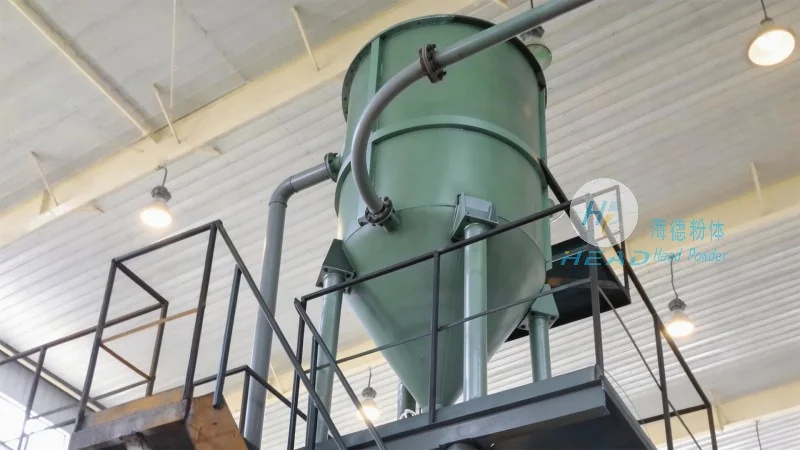
Overview of Positive Pressure Pneumatic Conveying Systems
A positive pressure pneumatic conveying system is a type of material handling equipment that uses compressed air to transport bulk materials, such as powders and granules, from one location to another. Unlike negative pressure systems, which create a vacuum to draw materials in, positive pressure systems force air and material through a sealed pipeline under pressure. This method offers several advantages, including efficient material transport, reduced contamination risk, and the ability to handle a wide range of materials with varying properties.
Key Structural Components of the System
The positive pressure pneumatic conveying system consists of several critical components that work together to ensure smooth and reliable operation. The main parts include:
1. Material Feeder: This component is responsible for feeding the bulk material into the conveying line. It can be a rotary valve, a star feeder, or a screw feeder, depending on the material's characteristics and the required flow rate. The feeder ensures a consistent and controlled flow of material into the system.
2. Conveying Pipeline: The pipeline is typically made of stainless steel or other corrosion-resistant materials to handle various materials and maintain hygiene. It is designed to withstand the pressure of the compressed air and the abrasive nature of the conveyed materials. The pipeline is usually a closed loop or a series of connected sections to transport the material from the source to the destination.
3. Separation and Collection Unit: At the end of the conveying line, a separation unit is used to separate the material from the air stream. This unit can be a cyclone separator, a bag filter, or a cartridge filter, depending on the particle size and the required level of cleanliness. The separated material is collected in a hopper or a storage bin, while the air is either recycled or discharged.
4. Positive Pressure Blower or Fan: This is the heart of the system, providing the necessary compressed air to move the material through the pipeline. The blower is typically a centrifugal or a positive displacement type, capable of generating the required pressure and airflow. It is usually located at the end of the pipeline, near the separation unit, to ensure efficient material transport.
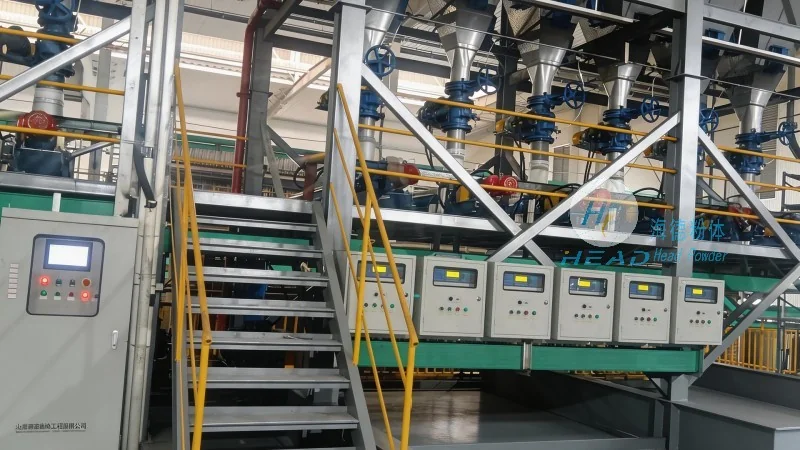
5. Control System: The control system manages the operation of the entire system, including the feeder, the blower, and the separation unit. It can be a simple manual control or a sophisticated automated system with sensors and feedback loops. The control system ensures that the system operates within safe and efficient parameters, preventing overloading or underloading of the components.
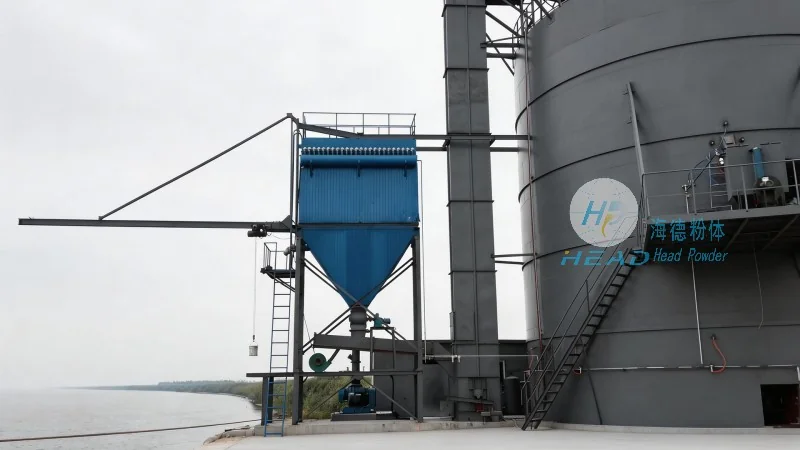
Working Principle of the System
The operation of a positive pressure pneumatic conveying system involves several steps. First, the material is fed into the system through the material feeder. The feeder then delivers the material into the conveying pipeline. Simultaneously, the positive pressure blower generates compressed air and introduces it into the pipeline. The compressed air creates a pressure difference between the inlet and the outlet of the pipeline, which forces the material to move along with the air stream.
As the material travels through the pipeline, it is carried by the air flow, which can be at high or low velocity depending on the system design. The separation unit at the end of the pipeline then separates the material from the air. The material is collected in a container, while the air is either recycled back to the blower or discharged to the atmosphere. The control system monitors the system's performance and adjusts the airflow and pressure as needed to maintain optimal operation.
Advantages of Positive Pressure Pneumatic Conveying Systems
Positive pressure pneumatic conveying systems offer several advantages over other material handling methods. These include:
1. Efficient Material Transport: The system can transport materials over long distances with high efficiency, often at a lower cost per ton compared to other methods. The positive pressure ensures that the material is moved quickly and reliably.
2. Reduced Contamination: Since the system is sealed, it prevents contamination from external sources and minimizes dust emissions. This is particularly important for food, pharmaceutical, and chemical industries where product purity is critical.
3. Flexibility and Versatility: The system can handle a wide range of materials, including powders, granules, and even bulk solids. It can be adapted to different applications and layouts, making it suitable for various industrial settings.
4. Low Maintenance: The components of the system are designed to be durable and easy to maintain. The blower and pipeline are typically made of corrosion-resistant materials, reducing the need for frequent repairs and replacements.
Applications of Positive Pressure Pneumatic Conveying Systems
Positive pressure pneumatic conveying systems are widely used in various industries for the transport of bulk materials. Some common applications include:
1. Food and Beverage Industry: The system is used to transport powders such as flour, sugar, and spices, as well as granules like coffee beans and tea leaves. The sealed design ensures that the products remain fresh and free from contamination.
2. Pharmaceutical Industry: In pharmaceutical manufacturing, the system is used to transport active pharmaceutical ingredients (APIs), excipients, and finished products. The high level of cleanliness and hygiene is essential to maintain product quality and safety.
3. Chemical Industry: The system is used to transport chemicals, including powders and granules, in various chemical processes. The ability to handle corrosive and abrasive materials makes it suitable for this industry.
4. Mineral and Mining Industry: The system is used to transport minerals and ores from mining sites to processing facilities. The high efficiency and durability of the system make it ideal for handling large volumes of materials.
Conclusion
Positive pressure pneumatic conveying systems are an essential part of modern material handling technology. They offer efficient, clean, and flexible solutions for transporting bulk materials in various industries. Shandong HeadPowder Engineering Co., Ltd. specializes in the design and manufacturing of these systems, providing high-quality products that meet the needs of different industrial applications. With its professional team and advanced technology, headpowder is committed to delivering reliable and effective pneumatic conveying solutions to its customers.




