Protein powder material handling conveyors are specialized systems engineered to efficiently transport and manage protein powder, a critical ingredient in the food and supplement industries. These conveyors are designed to handle the unique properties of protein powders, such as their fine particle size, hygroscopic nature, and potential for dust generation. By integrating advanced engineering and material handling technologies, these systems ensure the safe, hygienic, and efficient movement of protein powders from storage to processing or packaging stages. As a leading manufacturer in this field, Shandong HeadPowder Engineering Co., Ltd. specializes in designing and supplying high-quality protein powder conveyors tailored to the specific needs of the protein powder industry.
Understanding the Core Components of Protein Powder Conveyors
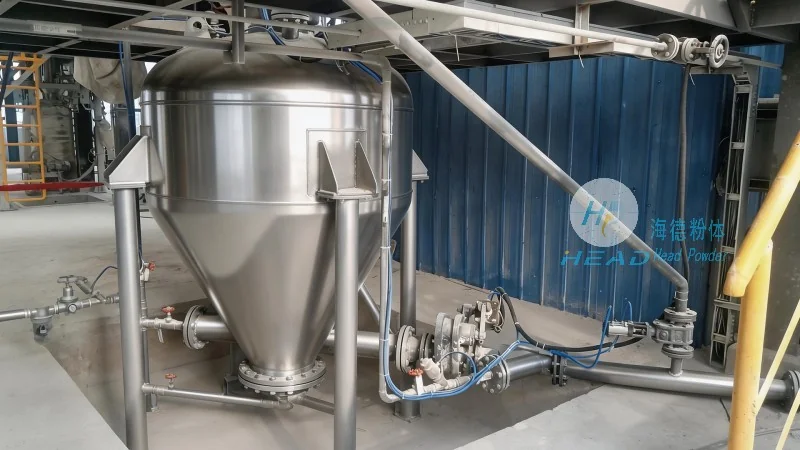
At the heart of a protein powder material handling conveyor lies a combination of components tailored to the specific demands of protein powder processing. Key elements include feed hoppers, which are designed to accommodate bulk storage and provide controlled discharge of the powder. These hoppers often feature sloped sides and internal baffles to minimize material bridging and ensure smooth flow. The conveyor itself may utilize various types of mechanisms, such as screw conveyors, belt conveyors, or pneumatic systems, each chosen based on the powder's characteristics and the required throughput. For example, screw conveyors are effective for vertical or inclined transport due to their self-priming capabilities, while belt conveyors offer flexibility for horizontal or slight incline movements. Pneumatic conveyors, on the other hand, use air pressure to move the powder, which is ideal for handling fine powders that are prone to clogging in mechanical systems.
Design Principles for Optimal Performance
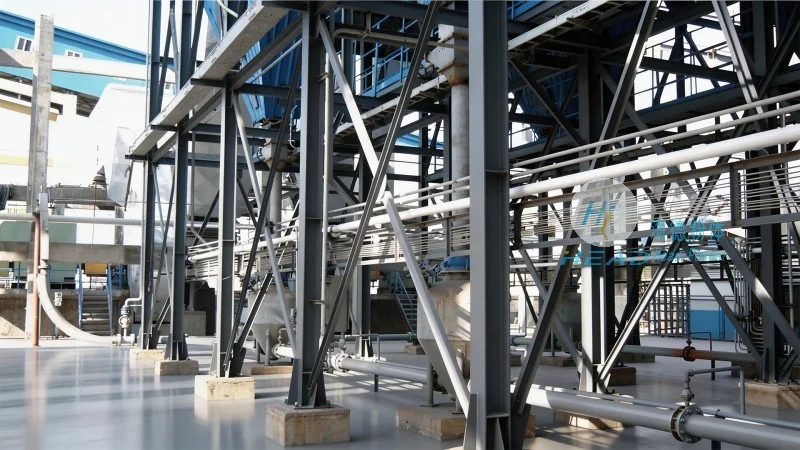
The design of protein powder conveyors is guided by several fundamental principles aimed at maximizing efficiency, safety, and product integrity. One of the primary principles is the minimization of material degradation and contamination. This is achieved through the use of stainless steel construction, which is non-reactive and easy to clean, reducing the risk of cross-contamination. Additionally, the conveyor components are designed to prevent dust accumulation, as protein powders are hygroscopic and can clump when exposed to moisture or air. Features such as sealed housings, dust collection systems, and regular maintenance protocols are integral to maintaining a clean and safe environment. Another critical design principle is the control of flow and pressure. Properly sized and positioned components, such as feeders and valves, ensure consistent material flow rates, preventing overloading or underloading of the conveyor. This consistency is vital for maintaining product quality and preventing equipment damage. Furthermore, the design considers the need for easy access for maintenance and cleaning, with removable panels and quick-release mechanisms that allow for thorough sanitation without disrupting production.
Applications in the Protein Powder Industry
Protein powder material handling conveyors are widely used across various stages of the protein powder production process. In storage facilities, these conveyors facilitate the transfer of bulk protein powders from silos or storage tanks to processing lines, ensuring a continuous supply of raw material. During processing, they may be used to move the powder between grinding, mixing, and blending operations, maintaining the homogeneity of the product. In packaging lines, conveyors transport the finished protein powder to filling machines, ensuring accurate and efficient packaging. The versatility of these systems allows them to adapt to different production scales, from small-scale batch processing to large-scale continuous production. For instance, in a manufacturing facility producing whey protein isolates, a conveyor system may be integrated with a blending unit to mix different protein sources before packaging. Similarly, in a plant producing plant-based protein powders, the conveyor may handle the transfer of powders from extraction to drying and packaging stages. The adaptability of these systems makes them essential for optimizing production efficiency and meeting the demands of modern protein powder manufacturing.
Key Considerations for Choosing the Right Conveyor System
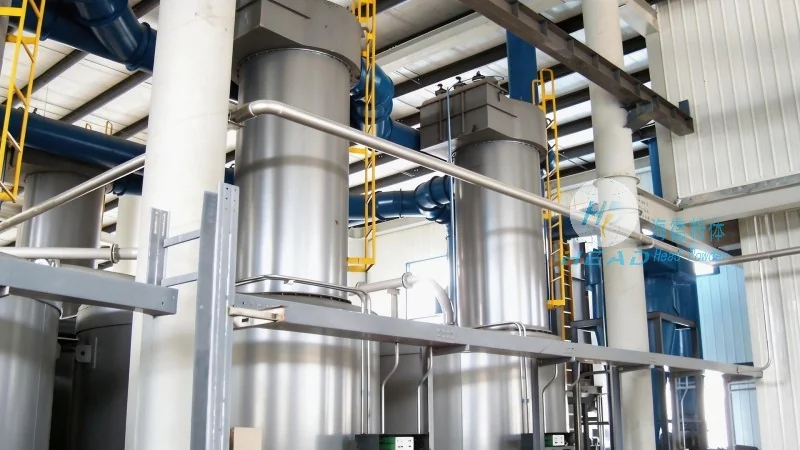
When selecting a protein powder material handling conveyor, several factors must be considered to ensure the system meets the specific needs of the operation. First, the material properties of the protein powder are paramount. The conveyor must be designed to handle the powder's particle size, density, and flow characteristics. For example, powders with high moisture content may require additional drying or moisture control measures to prevent clogging. Second, the production capacity and throughput requirements must be matched with the conveyor's design. The system should be capable of handling the desired volume of material without causing bottlenecks or excessive wear. Third, the hygienic standards of the facility must be considered. The conveyor must comply with regulatory requirements, such as those set by the FDA or EU, for food processing equipment. This includes features like easy-to-clean surfaces, no dead zones, and compliance with GMP (Good Manufacturing Practices). Fourth, the cost and maintenance requirements of the system should be evaluated. While initial investment may vary, the long-term operational costs, including energy consumption and maintenance frequency, should be considered to ensure the system is cost-effective over its lifespan. Finally, the reliability and durability of the conveyor are critical. The system must be able to operate continuously without frequent breakdowns, as downtime can significantly impact production output and profitability.




