The food processing industry relies heavily on efficient material handling solutions to ensure smooth operations and maintain product quality. A food material conveying line is a critical component in this process, designed to transport raw materials, intermediate products, and finished goods through various stages of production. Understanding the functionality and design principles of such systems is essential for optimizing workflow and enhancing overall productivity.
Understanding Food Material Conveying Lines
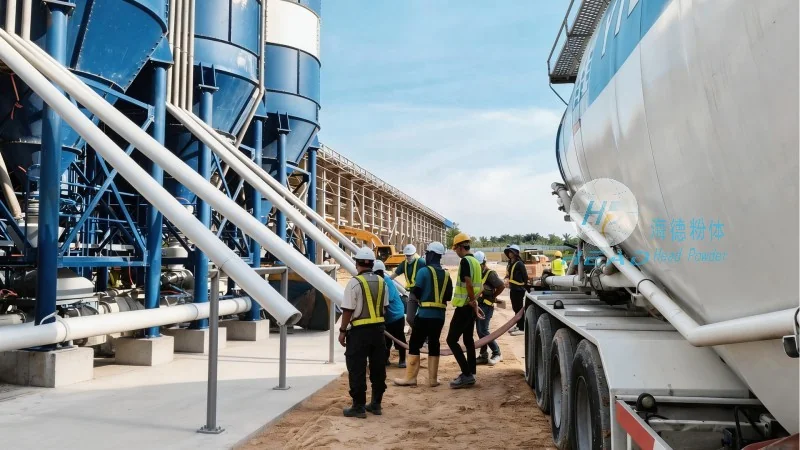
Food material conveying lines are specialized systems engineered to move food products and related materials within a processing facility. These lines integrate multiple components, such as conveyors, elevators, and sorting mechanisms, to create a seamless flow of materials from receiving to packaging. The primary goal is to minimize manual handling, reduce labor costs, and maintain strict hygiene standards, which are paramount in the food industry.
Core Design Principles of Conveying Systems
The design of a food material conveying line is guided by several key principles that ensure efficiency, safety, and compliance with industry regulations. First, the system must be constructed from materials that are non-corrosive, easy to clean, and resistant to food contamination. Common materials include stainless steel, food-grade plastics, and specialized coatings that prevent bacterial growth. Second, the design emphasizes modularity, allowing for easy integration of new equipment or expansion of the line as production needs evolve. Third, the system is engineered for minimal product damage, using gentle handling techniques like belt conveyors or roller systems to prevent bruising or crushing of sensitive items.
Key Components and Their Functions
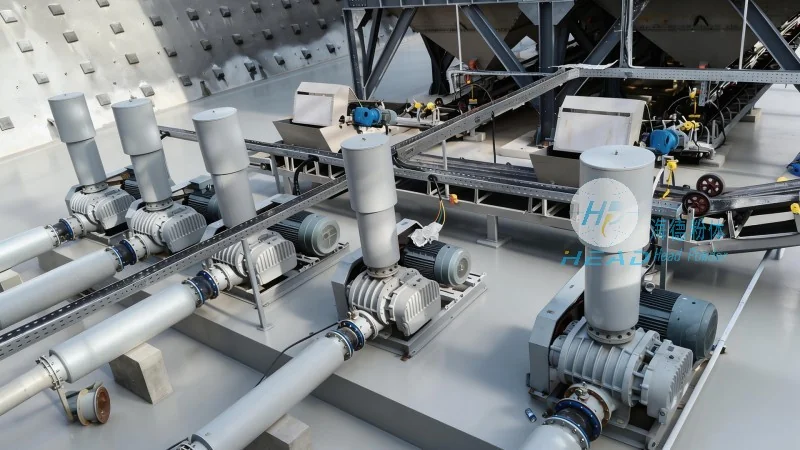
Several critical components make up a typical food material conveying line. The primary conveyor system, often a belt or chain conveyor, provides the main transport path. This is complemented by vertical elevators that lift materials to different levels, ensuring vertical movement without disrupting the horizontal flow. Sorting mechanisms, such as vibrating screens or magnetic separators, are integrated to separate different types of materials or remove contaminants. Additionally, the system includes control panels that monitor speed, direction, and load levels, allowing for real-time adjustments to maintain optimal performance.
Application Scenarios in Food Processing
Food material conveying lines are widely used across various food processing applications. In the dairy industry, they transport milk, cheese, and yogurt from production lines to packaging stations. In the bakery sector, they move bread, pastries, and other baked goods from ovens to cooling and packaging areas. The meat and poultry industry utilizes these systems to handle raw and processed products, ensuring safe and efficient movement through inspection and packaging stages. Even in the snack food industry, conveying lines are essential for moving chips, nuts, and other processed items from production to packaging.
Advantages of Optimized Conveying Solutions
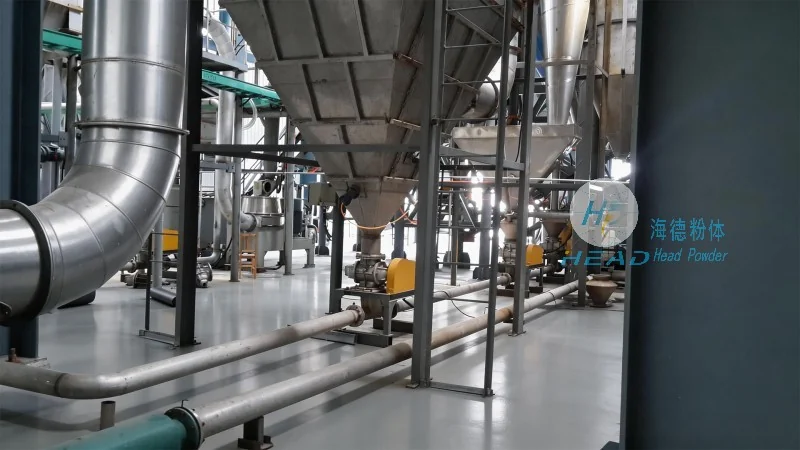
Implementing an optimized food material conveying line offers numerous benefits for food processing businesses. Firstly, it significantly reduces labor costs by automating material handling tasks, allowing employees to focus on quality control and other value-added activities. Secondly, the system enhances product quality by minimizing handling-related damage and contamination risks. Thirdly, it improves operational efficiency by streamlining the flow of materials, reducing downtime, and increasing throughput. Finally, the modular design of these systems allows for scalability, enabling businesses to adapt to changing production demands without major overhauls.
For businesses in the food processing sector, investing in a well-designed food material conveying line is a strategic decision that can lead to long-term operational efficiency and cost savings. By partnering with experienced manufacturers like Shandong HeadPowder Engineering Co., Ltd., based in China, companies can access tailored solutions that meet their specific production needs and industry standards. The company’s expertise in engineering and manufacturing ensures that the conveying systems are not only efficient but also compliant with global food safety regulations, providing peace of mind to businesses operating in the competitive food industry.




