When it comes to processing and handling buckwheat hulls, the efficiency and reliability of material conveying systems play a crucial role. A buckwheat hull material conveying line is a specialized setup designed to transport these lightweight, fibrous materials from one processing stage to another with precision and minimal loss. Understanding the components and design principles behind such a system is essential for optimizing production in industries like food processing, agricultural byproduct utilization, and biomass energy production.
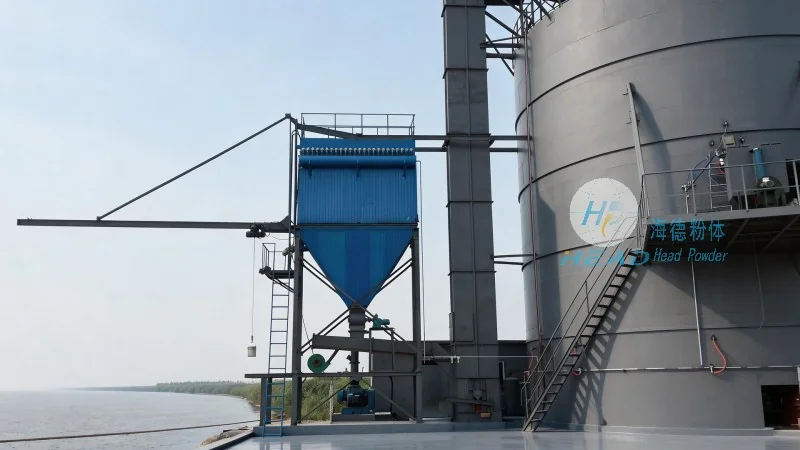
Introduction to Buckwheat Hull Material Conveying Lines
A buckwheat hull material conveying line typically consists of several key components that work in tandem to ensure smooth material flow. These components may include hoppers for material storage, feeding mechanisms to control the rate of material discharge, conveyor belts or screw conveyors for horizontal and vertical transport, and control systems to regulate the entire process. The primary goal of this system is to handle the unique properties of buckwheat hulls, which are known for their light weight, irregular shape, and tendency to become airborne during handling.
Key Design Principles for Efficient Conveying
The design of a buckwheat hull material conveying line is guided by several fundamental principles aimed at maximizing efficiency and minimizing material degradation. One of the most critical considerations is the material's aerodynamic properties. Since buckwheat hulls are lightweight and can easily become airborne, the conveying system must be designed to minimize air resistance and prevent material loss due to spillage or dust generation. This often involves using enclosed or semi-enclosed conveyor systems with appropriate sealing mechanisms to contain the material and reduce dust emissions.
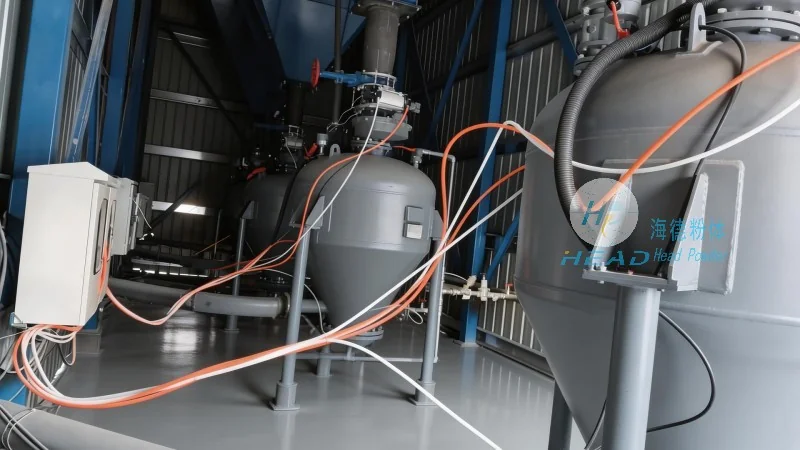
Another important design principle is the selection of appropriate conveyor types based on the material's characteristics and the required transport distances. For horizontal transport over short to medium distances, belt conveyors are commonly used due to their ability to handle light materials without excessive friction or wear. For vertical lifting or inclined transport, screw conveyors or bucket elevators may be employed, as they can effectively move buckwheat hulls upward while maintaining control over the material flow rate.
Material Handling Challenges and Solutions
Handling buckwheat hulls presents unique challenges that must be addressed in the design of the conveying line. The primary challenge is the material's tendency to cling to surfaces or form clumps, which can lead to blockages or uneven flow. To mitigate this, the system may incorporate features such as vibration feeders or rotating paddles to break up clumps and ensure a consistent material feed. Additionally, the conveyor surfaces are often lined with materials that minimize friction and prevent material buildup, such as smooth metal or plastic surfaces.
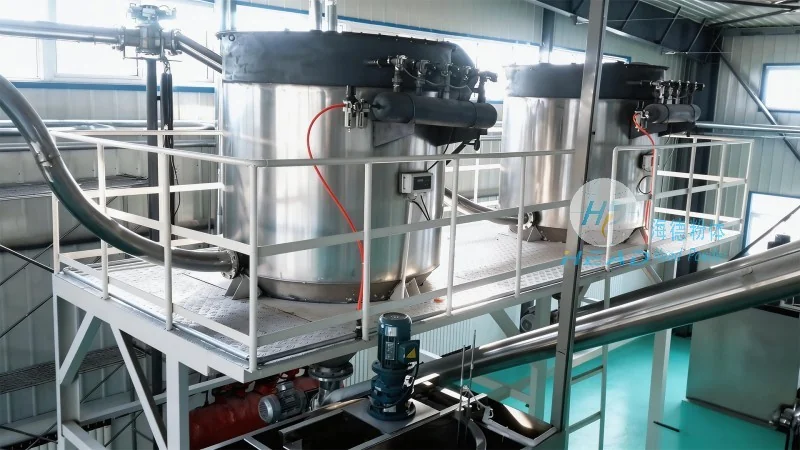
Another challenge is the potential for dust generation during material transport. This not only poses health and safety risks but also can affect the performance of downstream processing equipment. To address this, the conveying line is equipped with dust collection systems, such as cyclones or bag filters, which capture airborne particles and return them to the conveying system or safely dispose of them. Proper ventilation and sealing of the system are also critical to maintaining a clean and safe working environment.
The Role of Control Systems in Optimizing Performance
Modern buckwheat hull material conveying lines are often integrated with advanced control systems that allow for real-time monitoring and adjustment of the process parameters. These systems may include sensors to measure material flow rates, pressure, and temperature, as well as control panels that enable operators to adjust conveyor speeds, feeding rates, and other variables as needed. By providing real-time data and feedback, these control systems help optimize the conveying process, reduce energy consumption, and minimize material loss.
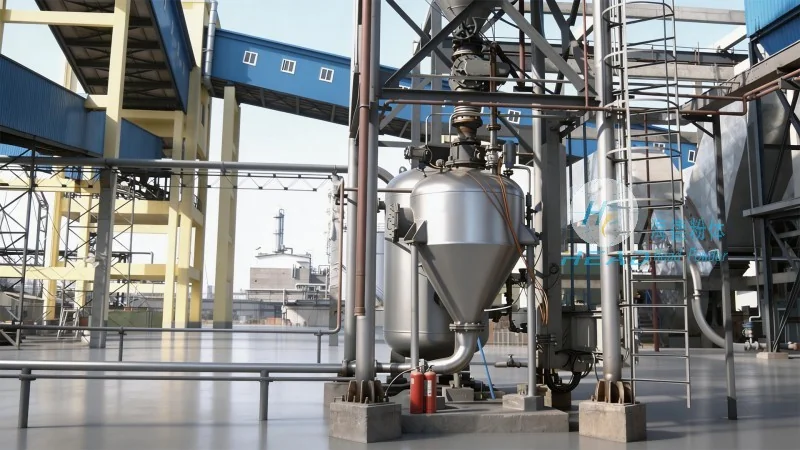
The control systems also play a crucial role in ensuring the safety of the operation. They may include emergency stop buttons, overload protection mechanisms, and alarms to alert operators of any issues that may arise. This helps prevent accidents and ensures that the conveying line operates within safe parameters at all times.
Conclusion: The Importance of a Well-Designed Conveying Line
In conclusion, a buckwheat hull material conveying line is a critical component in the processing of buckwheat hulls, and its design must take into account the unique properties of the material to ensure efficient and reliable operation. By incorporating appropriate design principles, such as minimizing air resistance, selecting suitable conveyor types, and addressing material handling challenges, the conveying line can effectively transport buckwheat hulls while maintaining product quality and safety. The integration of advanced control systems further enhances the performance and reliability of the system, making it an essential investment for companies involved in buckwheat hull processing.




