Boron nitride (BN) is a versatile ceramic material widely used in high-temperature and high-pressure applications due to its excellent thermal stability, chemical inertness, and lubricating properties. When it comes to transporting BN materials efficiently and safely, specialized conveying lines are essential. This article explores the concept of a boron nitride material conveying line and delves into the core design principles that ensure optimal performance.
Introduction to Boron Nitride Material Conveying Lines
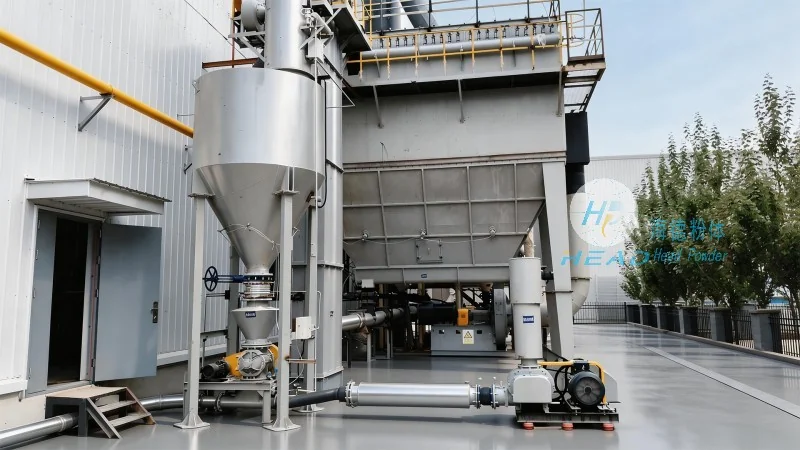
A boron nitride material conveying line is a system engineered to transport boron nitride powders, granules, or other forms of the material from one processing stage to another. These systems are critical in industries such as aerospace, electronics, and advanced ceramics, where BN is used as a lubricant, insulator, or additive. The design of these conveying lines must address unique challenges posed by BN, including its fine particle size, tendency to generate static electricity, and sensitivity to moisture.
Key Design Principles of Boron Nitride Conveying Systems
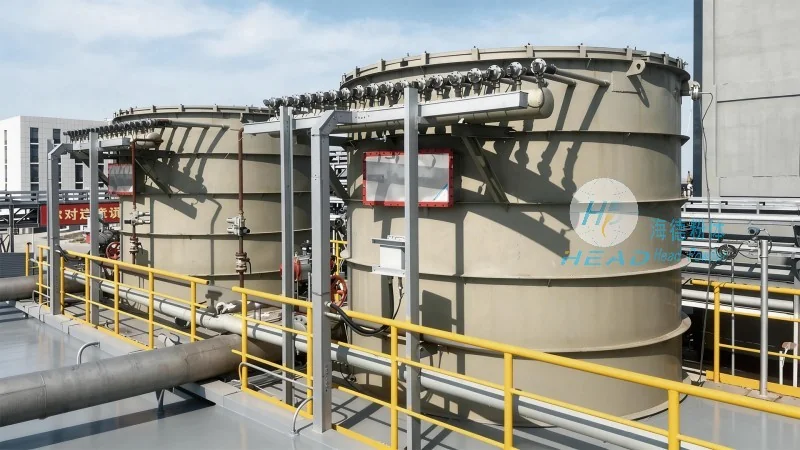
The design of a boron nitride material conveying line is guided by several fundamental principles to ensure reliability, efficiency, and safety. These principles include material compatibility, static control, and energy efficiency. Material compatibility is paramount, as the conveying components must withstand the chemical and thermal properties of BN without degradation. Static control is critical to prevent dust accumulation and ensure safe operation, as BN particles can generate static charges during handling. Energy efficiency is also a key consideration, as the system should minimize power consumption while maintaining high throughput.
Components and Structural Design
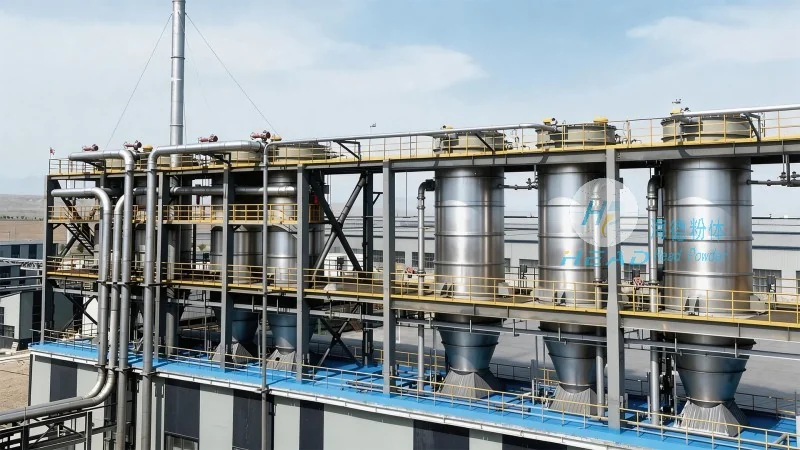
The structural design of a boron nitride material conveying line typically involves a combination of components tailored to the material's characteristics. Key components include feeders, conveyors (such as screw conveyors or pneumatic systems), and dust collection systems. The feeders are designed to handle the fine BN particles without causing blockages or excessive wear. Screw conveyors are commonly used due to their ability to handle dry powders and granules, while pneumatic systems are preferred for high-purity applications where contamination must be minimized. The entire system is often enclosed to prevent dust dispersion and ensure environmental compliance.
Material Handling Capabilities and Application Scenarios
Boron nitride material conveying lines are designed to handle various forms of BN, including powders, pellets, and preforms. The system's capacity and speed can be adjusted based on the specific application requirements. For example, in the production of BN-based ceramics, the conveying line may need to transport raw materials to a mixing or pressing stage. In the electronics industry, the line may deliver BN as a lubricant to a coating or assembly process. The flexibility of these systems allows them to adapt to different production scales, from small-scale laboratory operations to large-scale industrial manufacturing.
The Role of HeadPowder in Boron Nitride Conveying Solutions
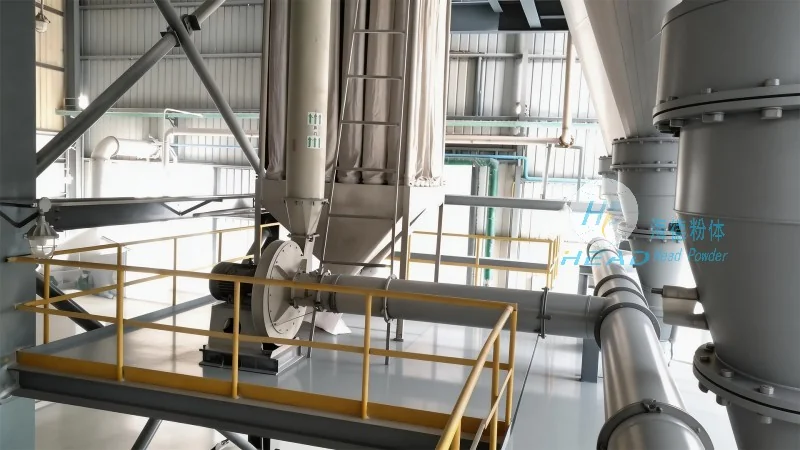
Shandong HeadPowder Engineering Co., Ltd., a leading manufacturer based in Shandong, China, specializes in developing customized boron nitride material conveying lines. With years of experience in the field, HeadPowder understands the unique challenges of handling BN materials and designs systems that meet the highest standards of performance and reliability. The company's engineers work closely with clients to understand their specific requirements and develop solutions that optimize material flow, minimize downtime, and ensure long-term operational efficiency. HeadPowder's commitment to quality and innovation has made it a trusted partner for businesses seeking advanced material handling solutions for boron nitride applications.




