For industries dealing with bulk powders, the efficient and precise handling of materials is crucial for operational success. This article explores the concept of an automatic quantitative powder material conveying line, detailing its functions and the underlying design principles that enable accurate and reliable material transport. The information is provided by Shandong HeadPowder Engineering Co., Ltd., a leading company in the field of powder processing equipment, based in Shandong, China.
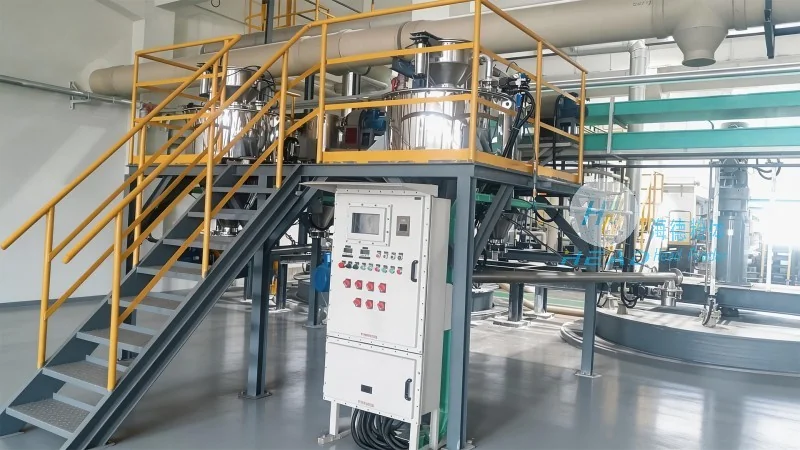
What is an Automatic Quantitative Powder Material Conveying Line?
An automatic quantitative powder material conveying line is a sophisticated system engineered to transport, measure, and dispense bulk powders with high precision. This system integrates various components, including feeders, conveyors, and control units, to ensure that powders are moved from storage to processing or packaging areas in a controlled manner. The primary goal of such a line is to achieve consistent and repeatable dosing of powders, which is essential for applications in pharmaceuticals, food processing, chemicals, and other industries where material accuracy directly impacts product quality and safety.
Key Components and Functions of the Conveying Line
The effectiveness of an automatic quantitative powder material conveying line relies on its integrated components, each serving a specific function to ensure smooth operation. The system typically includes:
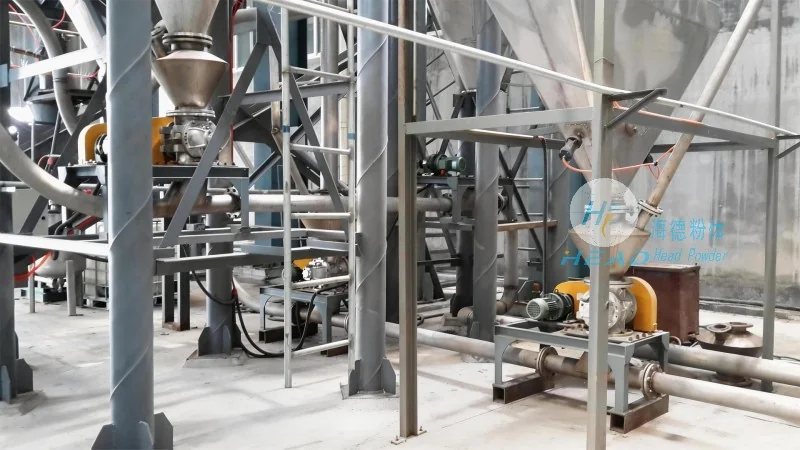
- Powder Storage and Feeding: A silo or hopper stores the bulk powder, and a feeder (such as a loss-in-weight feeder or a rotary valve) regulates the flow of material into the conveying system. This component ensures a steady and controlled feed rate, which is critical for accurate dosing.
- Pneumatic or Mechanical Conveying: Depending on the material properties and process requirements, the conveying line may use pneumatic (air-driven) or mechanical (belt, screw, or chain) methods to transport the powder. Pneumatic systems are ideal for fine powders and dusty materials, while mechanical systems are suitable for bulkier or more abrasive powders.
- Quantitative Measurement and Control: The heart of the system is the quantitative measurement unit, which can be a loss-in-weight feeder, a gravimetric scale, or a volumetric feeder. These devices continuously monitor the weight or volume of material being conveyed and adjust the feed rate in real-time to maintain the desired output. This ensures that the final product receives the exact amount of powder required, minimizing waste and improving process efficiency.
- Control and Automation: Modern conveying lines are equipped with advanced control systems, often based on PLC (Programmable Logic Controller) technology, which coordinates the operation of all components. The control unit can be programmed to follow specific dosing profiles, handle different material types, and provide real-time data on system performance. This automation enhances operational flexibility and reduces the need for manual intervention.
Design Principles Behind the Conveying Line
The design of an automatic quantitative powder material conveying line is guided by several key principles aimed at optimizing performance, reliability, and safety. These principles include:
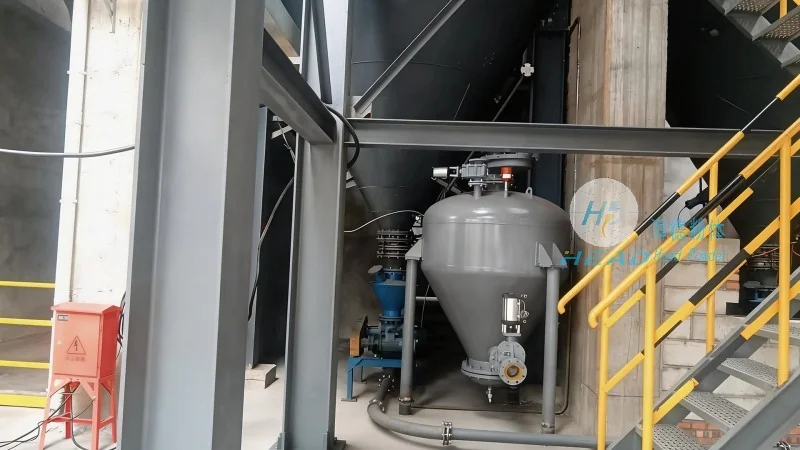
- Material Compatibility: The design must consider the physical and chemical properties of the powder, such as particle size, moisture content, flowability, and abrasiveness. Materials like stainless steel or special alloys are often used for components that come into direct contact with the powder to prevent contamination and corrosion.
- Flow Control and Prevention of Blockages: Proper design includes features to ensure smooth material flow and prevent blockages. This may involve the use of aeration devices, vibration systems, or special hopper designs to maintain consistent flow rates. Preventing blockages is crucial for maintaining system uptime and avoiding material waste.
- Accuracy and Precision: The design prioritizes high accuracy in dosing, typically within tight tolerances (e.g., ±0.5% or better). This is achieved through precise measurement sensors, stable control algorithms, and robust feed mechanisms. The system must be able to handle variations in material density or flow characteristics without compromising dosing accuracy.
- Integration and Scalability: The conveying line is designed to be modular and scalable, allowing it to be adapted to different production needs. It can be integrated with existing production lines or expanded to accommodate increased production volumes. This flexibility ensures that the system can grow with the business and meet evolving process requirements.
- Safety and Environmental Considerations: Safety is a top priority in the design, with features such as dust collection systems, explosion-proof components, and emergency stop buttons. Environmental considerations include minimizing dust emissions and ensuring compliance with regulatory standards for material handling and waste disposal.
Applications and Benefits of the Conveying Line
The automatic quantitative powder material conveying line is widely used in various industries due to its ability to handle bulk powders with precision and efficiency. Some common applications include:
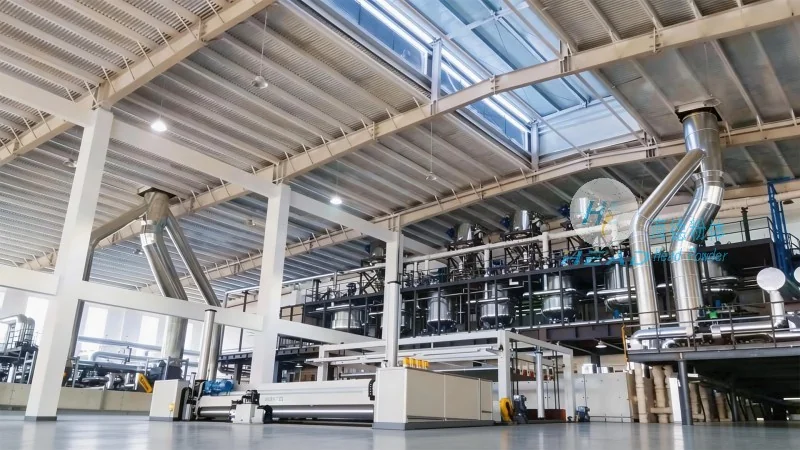
- Pharmaceutical Industry: In pharmaceutical manufacturing, accurate dosing of active pharmaceutical ingredients (APIs) and excipients is critical for product safety and efficacy. The conveying line ensures that the correct amount of each ingredient is added to formulations, meeting stringent regulatory requirements.
- Food and Beverage Industry: For food processing, the system is used to handle ingredients like flour, sugar, and spices with consistent quality. This ensures that food products meet nutritional standards and consumer expectations.
- Chemical Industry: In chemical production, the conveying line is used to transport raw materials and intermediates with high accuracy, which is essential for maintaining product purity and process efficiency.
- Industrial Manufacturing: Industries such as ceramics, plastics, and metal powders also benefit from the system's ability to handle bulk materials with precision, improving production throughput and reducing material waste.
By implementing an automatic quantitative powder material conveying line, companies can achieve significant benefits, including improved product quality, reduced material waste, enhanced operational efficiency, and lower labor costs. The system's ability to operate continuously and with minimal human intervention makes it a valuable asset for modern manufacturing processes.
Shandong HeadPowder Engineering Co., Ltd. specializes in designing and manufacturing such advanced powder conveying systems, leveraging years of experience and expertise in the field. With a focus on precision, reliability, and customer satisfaction, the company provides tailored solutions to meet the unique needs of each client. Based in Shandong, China, HeadPowder serves a global market, delivering high-quality equipment that enhances the performance of powder handling operations worldwide.




