HeadPowder, a leading enterprise in the field of material handling technology, specializes in the design, manufacturing, and application of pneumatic conveying systems. This article provides an overview of the lithium hydroxide pneumatic conveying system, focusing on its structural design and operational principles to help users understand the technical aspects and practical applications of this advanced material transport solution.
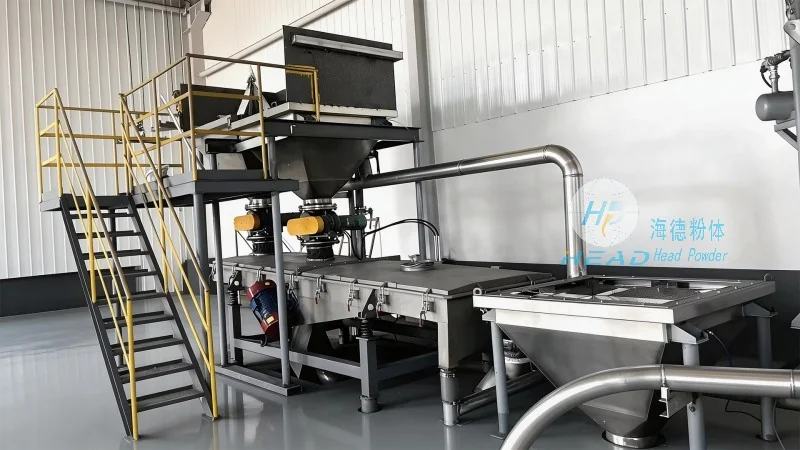
Company Profile and Background
HeadPowder Engineering Co., Ltd., headquartered in Shandong, China, is a professional manufacturer dedicated to providing high-quality pneumatic conveying equipment and related services. With years of experience in the industry, the company has developed a comprehensive range of solutions tailored to meet the diverse needs of clients in various sectors, including chemical, pharmaceutical, and industrial material processing. The company's commitment to innovation and precision engineering ensures that its products, such as the lithium hydroxide pneumatic conveying system, are built to deliver reliable performance and long-term durability.
Understanding Lithium Hydroxide Pneumatic Conveying
Lithium hydroxide (LiOH) is a widely used chemical compound in industries like battery manufacturing, where it serves as a key component in lithium-ion battery production. The efficient and safe transportation of lithium hydroxide is crucial for maintaining production efficiency and ensuring product quality. Pneumatic conveying offers a solution that minimizes material contamination, reduces handling risks, and enhances overall operational safety compared to traditional methods like manual handling or mechanical conveying.
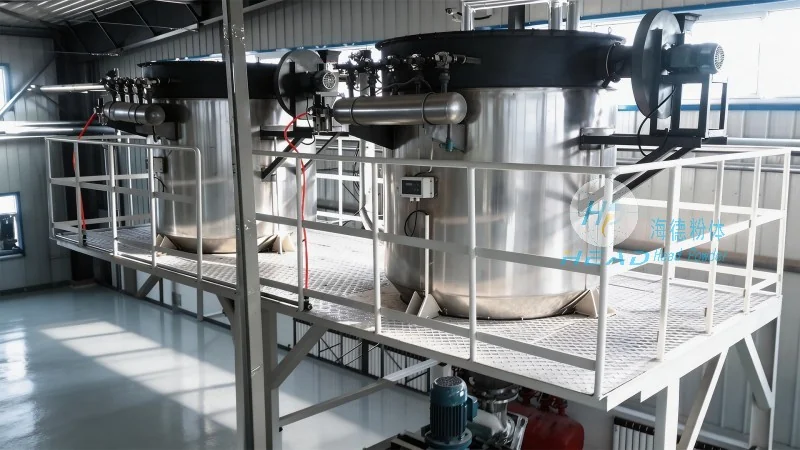
Structural Components of the Pneumatic Conveying System
The lithium hydroxide pneumatic conveying system consists of several critical components that work in tandem to achieve effective material transport. These components include the hopper for material storage, the air compressor that generates the necessary air pressure, the conveying line (typically made of stainless steel to prevent corrosion), and the control system for regulating airflow and pressure. Each component is designed with precision to ensure optimal performance and compatibility with the handling of lithium hydroxide, which is known for its hygroscopic properties and potential reactivity with certain materials.
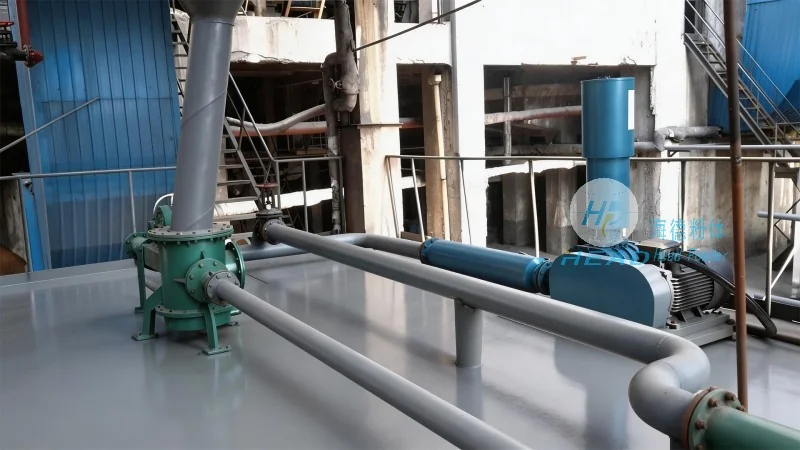
Operational Principle: How the System Works
The core principle of pneumatic conveying involves using compressed air to transport material particles through a pipeline. In the case of the lithium hydroxide system, the process begins with the material being fed from the hopper into the conveying line. The air compressor then supplies high-pressure air, which creates a flow that propels the lithium hydroxide particles through the system. The control system plays a vital role in maintaining consistent air pressure and flow rates, ensuring that the material is transported smoothly without clogging or loss of efficiency. The system may also include features like cyclone separators or filters to separate the conveyed material from the air stream, allowing for the recovery of the material and the recycling of the air.
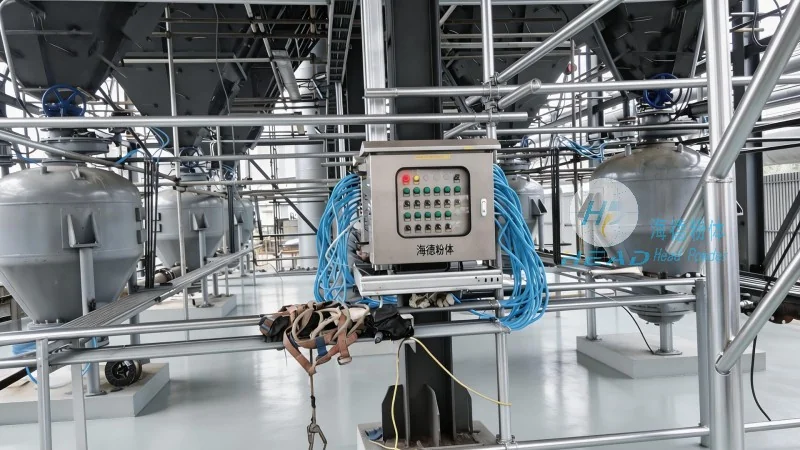
Advantages of Using Pneumatic Conveying for Lithium Hydroxide
Compared to other material handling methods, the pneumatic conveying system for lithium hydroxide offers several advantages. Firstly, it provides a closed system that prevents dust contamination and exposure to the environment, which is essential for maintaining the purity of lithium hydroxide, especially in battery production. Secondly, the system reduces labor costs and operational risks by automating the material transport process, minimizing the need for manual handling and associated safety hazards. Thirdly, the stainless steel construction of the conveying line ensures resistance to corrosion and chemical reactions, extending the service life of the equipment. Additionally, the system's flexibility allows for easy integration into existing production lines and adaptation to varying production volumes.
Application Scenarios and Industry Impact
The lithium hydroxide pneumatic conveying system is widely applied in the battery manufacturing industry, where it facilitates the efficient transport of raw materials from storage to processing units. In pharmaceutical and chemical plants, the system also plays a crucial role in handling other hygroscopic and reactive materials, contributing to improved production efficiency and product quality. By leveraging the advanced technology of pneumatic conveying, industries can enhance their operational capabilities, reduce downtime, and meet the increasing demands for high-purity materials in modern manufacturing processes.




