Ammonium nitrate (AN) is a critical chemical widely used in agriculture as a fertilizer, in explosives as an oxidizer, and in various industrial applications. The efficient and safe transportation of AN is paramount due to its sensitivity to impact and friction, which can lead to hazardous conditions. Pneumatic conveying systems offer a reliable solution for moving AN from storage to processing or packaging units. This article explores the operation process and working principle of such systems, highlighting the key components, operational steps, and the role of specialized engineering in ensuring safe and effective performance.
Key Components of Pneumatic Conveying Systems for Ammonium Nitrate
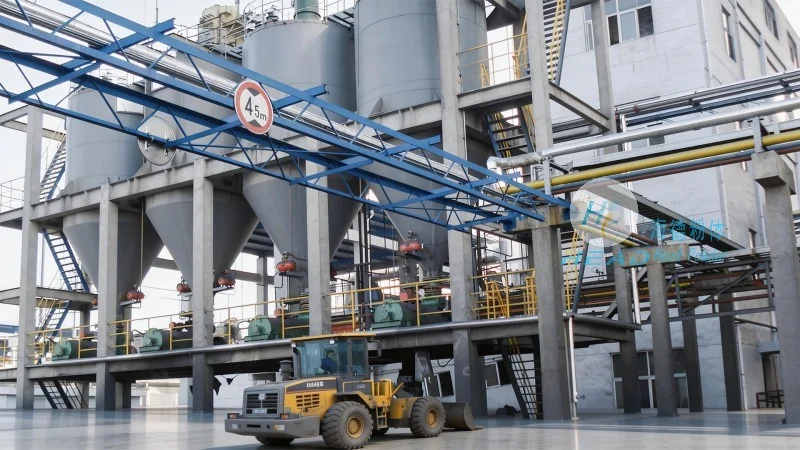
The pneumatic conveying system for ammonium nitrate typically consists of several core components that work in tandem to facilitate material transport. These include a hopper or storage silo for the bulk material, a feeder to control the flow rate, a conveying line (usually a pipe), a blower or air compressor to generate the air flow, and a receiver or discharge hopper at the destination. Each component plays a crucial role in maintaining the integrity of the ammonium nitrate and ensuring the system operates within safe parameters.
Working Principle of Ammonium Nitrate Pneumatic Conveying
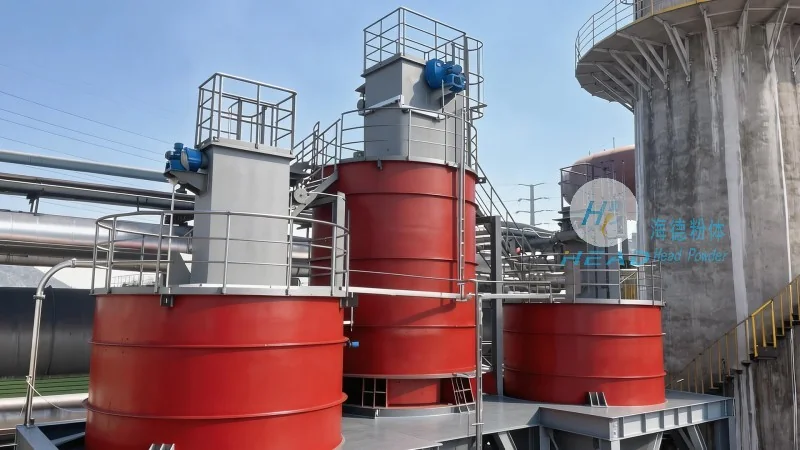
The operation of a pneumatic conveying system for ammonium nitrate is based on the principle of using air to move the solid material through a pipeline. The process begins with the material being fed from the storage hopper into the conveying line. The feeder, often a rotary valve or a screw feeder, regulates the amount of AN entering the system to prevent overloading or clogging. Simultaneously, the blower generates a high-pressure air stream that travels through the pipeline, creating a vacuum or pressure differential that propels the ammonium nitrate particles forward.
Control and Safety Measures in Pneumatic Conveying
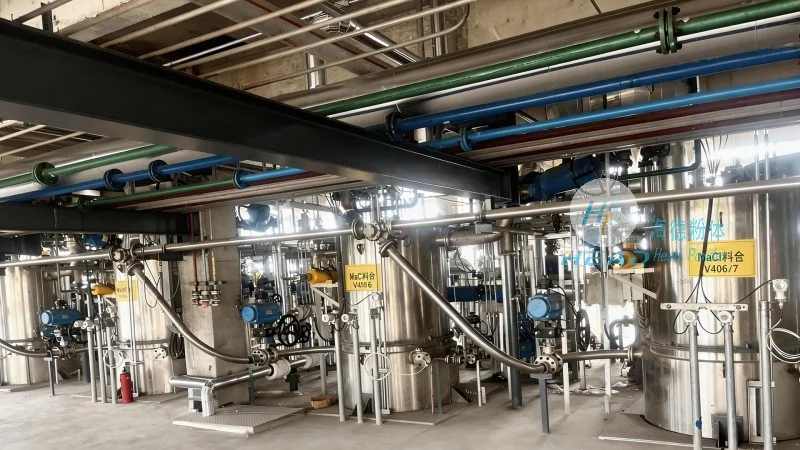
Given the hazardous nature of ammonium nitrate, stringent control and safety measures are integral to the operation of pneumatic conveying systems. The system is equipped with sensors to monitor pressure, flow rate, and temperature, ensuring that any deviations from normal operating conditions are detected promptly. Additionally, the use of explosion-proof components, such as the blower and control panels, is mandatory to prevent the risk of ignition in the presence of dust or other flammable substances. Regular maintenance and inspection protocols are also in place to ensure the longevity and reliability of the system.
Role of Shandong HeadPowder Engineering Co., Ltd. in Pneumatic Conveying Solutions
Shandong HeadPowder Engineering Co., Ltd., a leading provider of specialized engineering solutions, has extensive experience in designing and implementing pneumatic conveying systems for ammonium nitrate. The company leverages advanced technology and adherence to international safety standards to deliver systems that meet the specific requirements of clients in the fertilizer and industrial sectors. With a focus on efficiency, safety, and durability, HeadPowder's solutions are tailored to optimize the transportation of AN while minimizing operational risks.
Conclusion: Ensuring Efficient and Safe Ammonium Nitrate Transport
In conclusion, pneumatic conveying systems represent a sophisticated and effective method for the transportation of ammonium nitrate. The combination of precise control mechanisms, robust components, and rigorous safety protocols ensures that the material is moved efficiently and safely from its source to its destination. Companies like Shandong HeadPowder Engineering Co., Ltd. play a vital role in providing the engineering expertise and solutions necessary to implement these systems, contributing to the overall safety and productivity of operations in the ammonium nitrate industry.




