Sodium fluorosilicate, a key industrial chemical, is often transported using pneumatic conveying systems. This method offers efficient and safe handling of the material, which is crucial for industrial applications. The process involves the use of air or other gases to move the powder through a pipeline, ensuring minimal contamination and loss. Understanding the structure and operational principles of such systems is essential for optimizing performance and ensuring reliability in industrial settings.
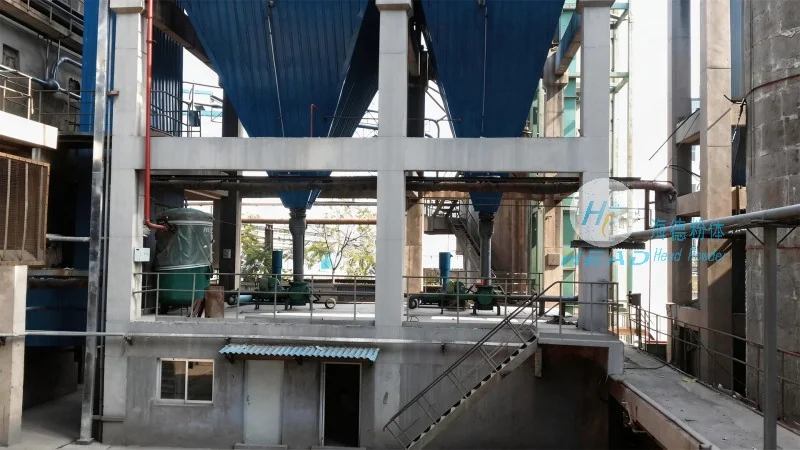
Key Components of Pneumatic Conveying Systems for Sodium Fluorosilicate
The pneumatic conveying system for sodium fluorosilicate typically consists of several critical components. These include a hopper or feeder to store and meter the material, a blower or compressor to generate the air flow, a pipeline network to transport the material, and a receiver or silo to collect the material at the destination. Each component plays a vital role in the overall efficiency and effectiveness of the system. The hopper ensures a consistent feed rate, preventing blockages and maintaining steady material flow. The blower provides the necessary pressure and air volume to move the powder through the pipeline. The pipeline design, including its diameter and length, is carefully selected to minimize pressure drop and ensure smooth material transport. The receiver is designed to handle the incoming material, often with a dust collection system to maintain air quality and prevent environmental contamination.
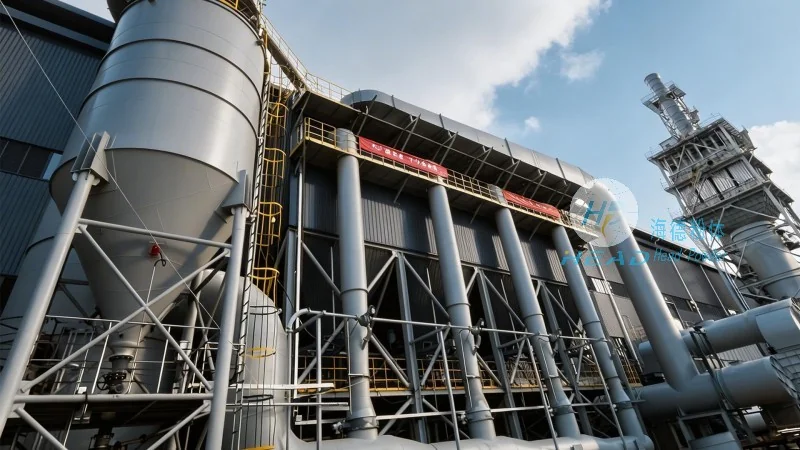
Operational Principles of Pneumatic Conveying for Sodium Fluorosilicate
The operational principle of pneumatic conveying for sodium fluorosilicate is based on the creation of a gas-solid flow within the pipeline. When the material is introduced into the system, it is suspended in the air stream, which allows it to be transported over long distances without the need for mechanical conveyors. The system can operate in either pressure or vacuum mode, depending on the application requirements. In pressure systems, the blower pushes air and material through the pipeline, while in vacuum systems, a vacuum pump draws the material into the pipeline. The velocity of the air stream is a critical factor, as it must be sufficient to keep the material suspended and prevent deposition or clogging. Proper design of the system ensures that the air velocity remains within optimal ranges, balancing efficiency and energy consumption.
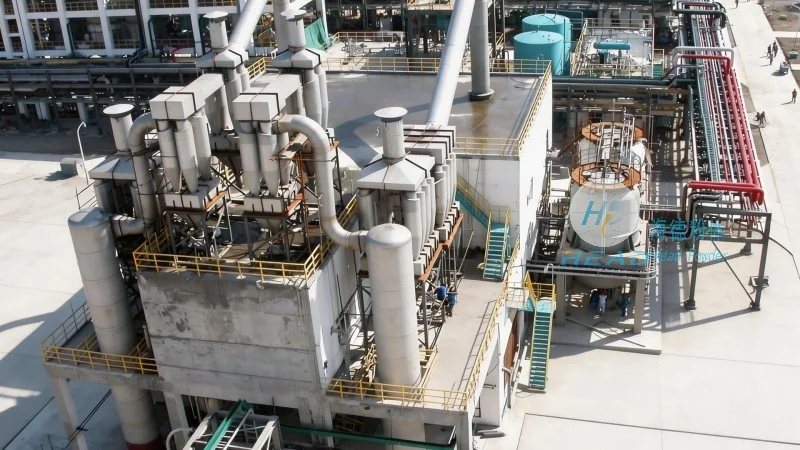
Advantages of Pneumatic Conveying for Sodium Fluorosilicate Handling
Using pneumatic conveying for sodium fluorosilicate offers several advantages over traditional methods such as belt conveyors or bucket elevators. One of the primary benefits is the ability to handle the material in a closed system, which reduces dust emissions and improves workplace safety. This is particularly important for sodium fluorosilicate, as it can be a respiratory irritant if inhaled. The closed system also prevents contamination from external sources, maintaining the purity of the material. Another advantage is the flexibility of the system, which can be easily adapted to different production layouts and process requirements. Pneumatic conveying systems can be integrated with other equipment, such as mixers or reactors, to create a seamless material handling process. Additionally, the system can handle materials with varying properties, including different particle sizes and moisture content, making it versatile for various industrial applications.
Applications of Sodium Fluorosilicate Pneumatic Conveying Systems
Sodium fluorosilicate is widely used in various industries, including water treatment, glass manufacturing, and chemical production. The pneumatic conveying systems are used to transport the material from storage facilities to processing plants, ensuring a continuous supply of the chemical. In water treatment plants, sodium fluorosilicate is used as a coagulant to remove impurities from water, and the conveying system ensures that the chemical is delivered to the treatment tanks efficiently. In glass manufacturing, the material is used as a flux to lower the melting point of silica, and the system transports it to the glass melting furnaces. In chemical production, it is used as an intermediate in the synthesis of other chemicals, and the conveying system ensures that the material is moved to the reaction vessels without any loss or contamination. The versatility of the pneumatic conveying system makes it suitable for these diverse applications, providing reliable and efficient material handling solutions.
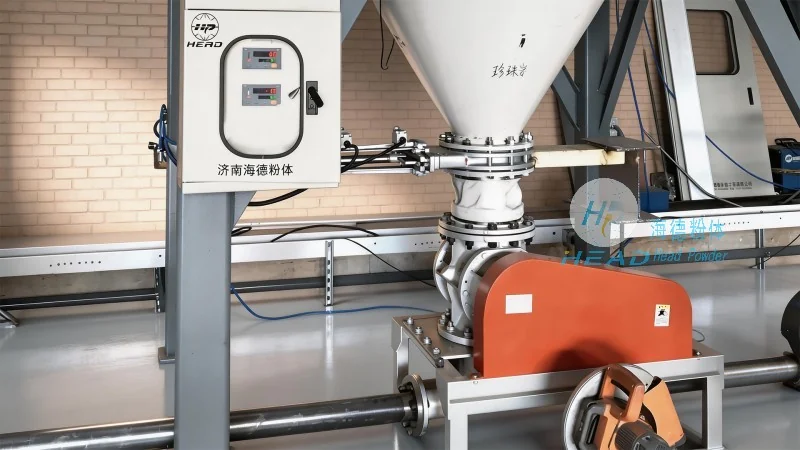
Company Profile: Shandong HeadPowder Engineering Co., Ltd.
Shandong HeadPowder Engineering Co., Ltd., operating under the brand name headpowder, specializes in the design, manufacturing, and installation of pneumatic conveying systems for industrial chemicals. With a focus on sodium fluorosilicate and other similar materials, the company provides customized solutions tailored to the specific needs of its clients. The company’s headquarters is located in Shandong, China, where it has a team of experienced engineers and technicians dedicated to developing and improving its products. HeadPowder has a strong reputation in the industry for its high-quality equipment and reliable service, helping clients optimize their material handling processes and improve overall operational efficiency. The company’s commitment to innovation and customer satisfaction has made it a trusted partner for many industrial companies worldwide.




