High-temperature fly ash pneumatic conveying is a critical technology in the field of industrial waste management and material handling, particularly for the efficient transport of hot ash from power plants and other thermal facilities. This method leverages the principles of pneumatic transport to move high-temperature materials through a pipeline system using compressed air or other gas streams. The process is designed to handle the unique challenges posed by hot ash, including its high temperature, potential for agglomeration, and the need for minimal material degradation during transport.
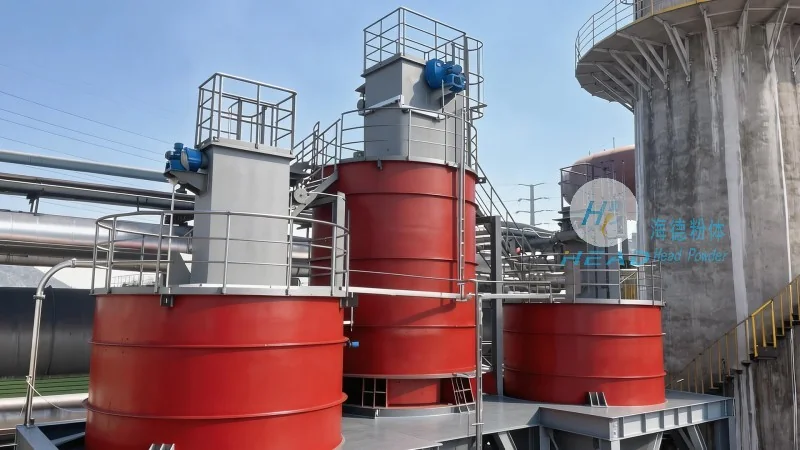
Key Structural Components of High-Temperature Fly Ash Pneumatic Conveying Systems
The core structure of a high-temperature fly ash pneumatic conveying system typically includes several essential components that work in concert to ensure reliable and efficient operation. These components are engineered to withstand the high temperatures and abrasive nature of the material being conveyed. The main elements include the ash collection hopper, which serves as the initial storage and feeding point for the fly ash. This hopper is often equipped with heating elements or insulation to maintain the material at the desired temperature range. A rotary valve or feeder is then used to control the flow of ash from the hopper into the conveying line, ensuring a consistent and controlled feed rate.
Next in the system is the conveying pipeline, which is constructed from materials capable of withstanding high temperatures and corrosion, such as stainless steel or specialized alloys. The pipeline is designed with appropriate bends and fittings to direct the flow of ash to the destination, such as a storage silo or processing unit. To maintain the necessary pressure and flow, a blower or compressor is employed to generate the required air or gas velocity. This component is typically located at the inlet of the pipeline and is sized to provide sufficient pressure to overcome the resistance caused by the ash particles and pipeline friction.
At the receiving end of the system, a receiver or silo is used to collect the conveyed ash. This component is often equipped with a discharge valve or conveyor to transfer the ash to the next stage of processing. In some systems, a cyclone separator may be included to separate any entrained air from the ash, improving the efficiency of the conveying process and reducing the load on downstream equipment.
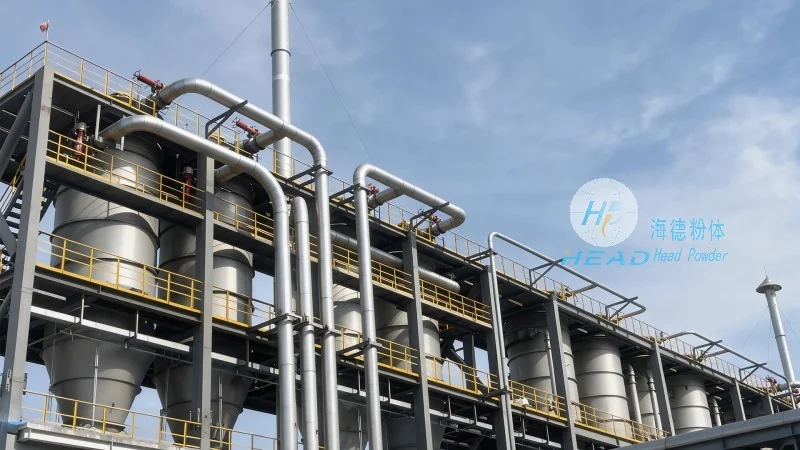
Working Principles of High-Temperature Fly Ash Pneumatic Conveying
The working principle of high-temperature fly ash pneumatic conveying is based on the use of air or gas to create a flow that transports the solid particles through the pipeline. The process begins with the ash being fed from the hopper into the conveying line via the rotary valve. The blower then introduces a high-velocity air stream into the pipeline, which entrains the ash particles and propels them forward. The velocity of the air stream is critical; it must be sufficient to overcome the gravitational and frictional forces acting on the particles, ensuring that they remain suspended and move through the pipeline without settling or causing blockages.
As the ash travels through the pipeline, it experiences various forces, including drag and lift forces, which keep the particles in suspension. The design of the pipeline, including the angle of the bends and the size of the fittings, is optimized to minimize pressure losses and maintain the required air velocity. The system is typically operated at a pressure that is slightly above atmospheric, ensuring that the ash is continuously transported to the receiver. The temperature of the ash is maintained throughout the process by the insulation of the hopper and pipeline, preventing heat loss that could lead to material solidification or degradation.
Upon reaching the receiver, the ash is deposited and may be further processed or stored. The air that has carried the ash is then filtered to remove any remaining particles before being discharged or recirculated, depending on the system design. This filtration step is crucial for maintaining air quality and preventing dust emissions, which is important for environmental compliance and worker safety.
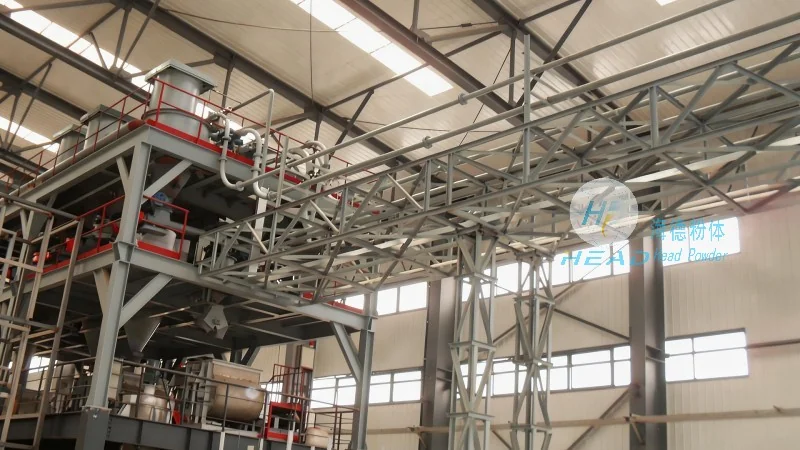
Applications and Benefits of High-Temperature Fly Ash Pneumatic Conveying
High-temperature fly ash pneumatic conveying systems are widely used in various industrial applications, particularly in the power generation industry. These systems are employed to transport ash from boiler furnaces to storage facilities or to other processing units, such as cement plants or recycling facilities. The primary benefits of this technology include improved efficiency in material handling, reduced labor costs due to automated operation, and enhanced safety by minimizing the need for manual handling of hot ash.
One of the key advantages of pneumatic conveying is its ability to handle high-temperature materials without the need for mechanical components that would be damaged by heat. This reduces maintenance costs and extends the lifespan of the equipment. Additionally, the system can be designed to operate in a closed loop, minimizing dust emissions and improving environmental performance. The flexibility of the system allows for easy integration with existing infrastructure, making it a cost-effective solution for upgrading or expanding material handling capabilities.
Another significant benefit is the ability to transport ash over long distances with minimal energy consumption compared to other methods, such as trucking or belt conveyors. This not only reduces operational costs but also contributes to lower carbon emissions, aligning with sustainability goals in the industry. The system's compact design also allows for installation in areas with limited space, making it suitable for retrofitting into existing power plants or industrial facilities.




