Introduction to Puffed Rice Flour Pneumatic Conveying: Structure and Working Principle Explanation
Release time:2026-09-21 18:01:43
name of the company:Shandong Headpowder Engineering Co., Ltd.
telephone:156-6277-7102
contacts:Zhang manager
HeadPowder Engineering, a leading provider of industrial conveying solutions, specializes in the design and implementation of efficient pneumatic conveying systems for various powder materials, including puffed rice flour. This article provides an overview of the fundamental principles, structural components, and operational mechanics of puffed rice flour pneumatic conveying systems, tailored to meet the specific demands of the food processing industry.
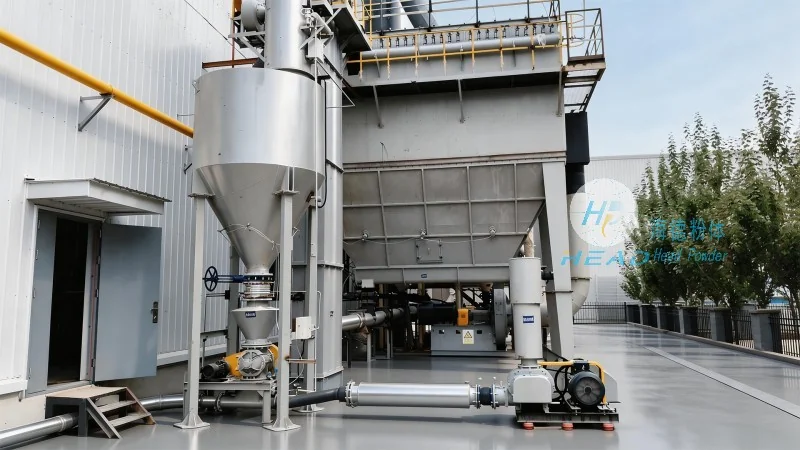
Understanding Pneumatic Conveying for Puffed Rice Flour
Pneumatic conveying is a method used to transport bulk materials like puffed rice flour through a pipeline using air or other gases as the conveying medium. Unlike traditional mechanical systems, which rely on screws, belts, or buckets, pneumatic systems utilize the force of compressed air to move materials, offering advantages such as reduced contamination risk, lower maintenance requirements, and the ability to handle fine or delicate powders without damage. For puffed rice flour, which is known for its light texture and potential for dust generation, a well-designed pneumatic system is crucial to ensure efficient and safe material transport.
Key Structural Components of Puffed Rice Flour Pneumatic Conveying Systems
The core components of a puffed rice flour pneumatic conveying system include the following elements, each playing a vital role in the overall operation:
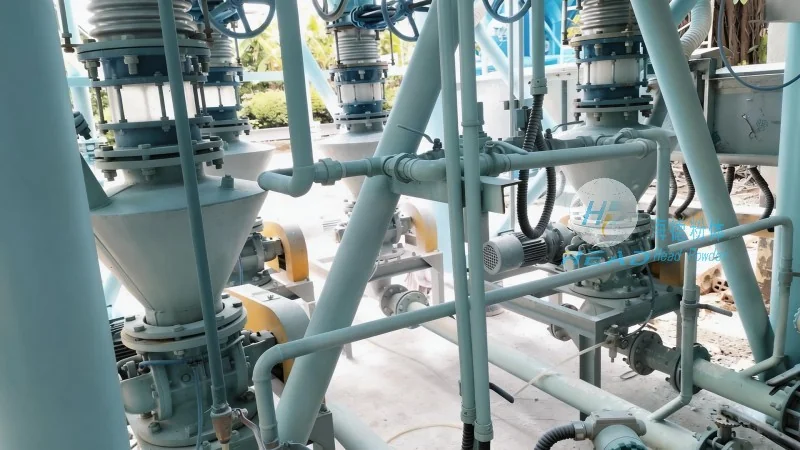
- Feeder: The feeder is responsible for introducing the puffed rice flour into the conveying line at a controlled rate. For delicate powders like puffed rice flour, a rotary valve or a star feeder is commonly used to prevent material degradation and ensure consistent flow.
- Pneumatic Conveying Pipe: The pipeline, typically made of stainless steel or other corrosion-resistant materials, forms the main pathway for the material and air mixture. The pipe diameter and length are carefully selected based on the material's properties, conveying distance, and required flow rate.
- Air Supply System: This includes the compressor, air dryer, and filters, which generate and condition the air used for conveying. Proper air drying and filtration are essential to prevent moisture absorption by the puffed rice flour, which could affect its quality and texture.
- Separation and Collection Equipment: At the end of the conveying line, the system uses cyclones or bag filters to separate the material from the air stream. This step ensures that the puffed rice flour is collected in a clean and dry state, ready for further processing or packaging.
- Control System: Modern pneumatic conveying systems are equipped with advanced control panels that monitor and regulate the flow rate, air pressure, and other parameters. This automation enhances operational efficiency and ensures consistent performance.
Working Principle of Puffed Rice Flour Pneumatic Conveying
The operation of a puffed rice flour pneumatic conveying system involves several key steps:
- Material Intake: The puffed rice flour is fed into the system at a controlled rate via the feeder.
- Air Injection: Compressed air is introduced into the pipeline, creating a flow that lifts and transports the material particles.
- Transportation: The mixture of puffed rice flour and air moves through the pipeline to the destination point.
- Separation: At the receiving end, the air and material are separated. The air is discharged, while the puffed rice flour is collected in a container or processing unit.
Benefits of Using Pneumatic Conveying for Puffed Rice Flour
Implementing a pneumatic conveying system for puffed rice flour offers several advantages over traditional methods:
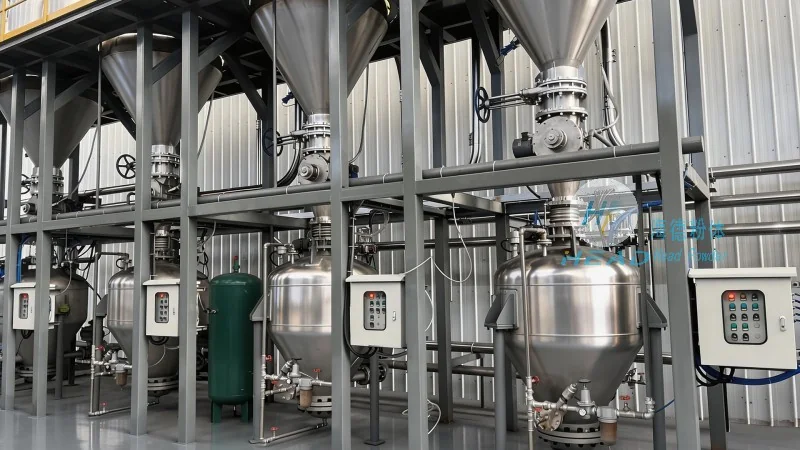
- Hygienic and Clean Operation: Pneumatic systems minimize direct human contact with the material, reducing the risk of contamination and ensuring compliance with food safety regulations.
- Energy Efficiency: Compared to mechanical conveyors, pneumatic systems can be more energy-efficient, especially for long-distance or high-volume transport of fine powders.
- Reduced Downtime: With fewer moving parts, pneumatic systems experience less wear and tear, leading to lower maintenance costs and extended operational life.
- Flexibility in Layout: The ability to route the pipeline in various directions allows for flexible plant layouts, optimizing space utilization in food processing facilities.
Application Considerations for Puffed Rice Flour Pneumatic Conveying
When designing a pneumatic conveying system for puffed rice flour, several factors must be considered to ensure optimal performance:
- Material Properties: The light density and potential for dust generation of puffed rice flour require systems with appropriate air flow rates and pressure to prevent material settling or blockages.
- Conveying Distance and Height: The system design must account for the vertical and horizontal distance the material needs to travel, as this affects the required air pressure and system components.
- Environmental Conditions: The presence of moisture or temperature variations in the processing environment may necessitate additional equipment, such as air dryers or temperature control units, to maintain the quality of the puffed rice flour.
- Regulatory Compliance: Food processing facilities must adhere to strict hygiene and safety standards. Pneumatic conveying systems must be constructed from materials that are food-grade and easy to clean, with proper sealing to prevent cross-contamination.
Conclusion
Puffed rice flour pneumatic conveying systems, as offered by Shandong HeadPowder Engineering Co., Ltd., represent a sophisticated and efficient solution for the transport of delicate powder materials in the food industry. By understanding the structural components and operational principles of these systems, food processing companies can enhance their operational efficiency, maintain product quality, and ensure compliance with industry standards. HeadPowder Engineering's expertise in designing and implementing customized pneumatic conveying solutions ensures that clients receive systems tailored to their specific needs, supporting their production goals while adhering to the highest standards of safety and hygiene.




