Shandong HeadPowder Engineering Co., Ltd., commonly known as headpowder, specializes in the design, manufacturing, and installation of advanced pneumatic conveying systems for the handling of purified powder materials. With a focus on precision and efficiency, our systems are engineered to meet the stringent requirements of various industrial applications, ensuring reliable and safe material transport. The company is headquartered in Shandong, China, where it leverages local expertise and resources to deliver high-quality solutions tailored to client needs.
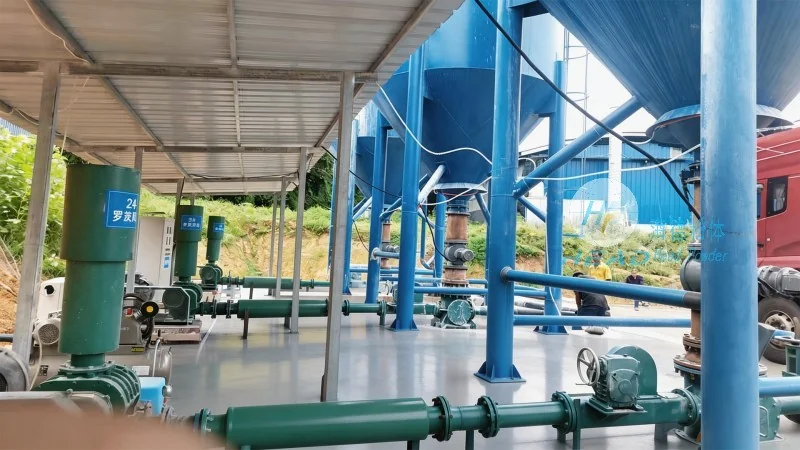
Understanding Pneumatic Conveying Technology
Pneumatic conveying is a method of transporting bulk materials, such as powders and granules, through a pipeline using air or other gases. Unlike mechanical conveying systems, which rely on mechanical components like belts or screws, pneumatic systems utilize the force of moving air to move materials. This technology offers several advantages, including the ability to handle materials that are difficult to transport mechanically, such as fine powders that are prone to caking or dusting. The core principle involves creating a pressure differential within the pipeline, which draws the material into the system and propels it to the destination. Our purified powder pneumatic conveying lines are specifically designed to maintain a clean and controlled environment, minimizing contamination and ensuring the integrity of the transported material.
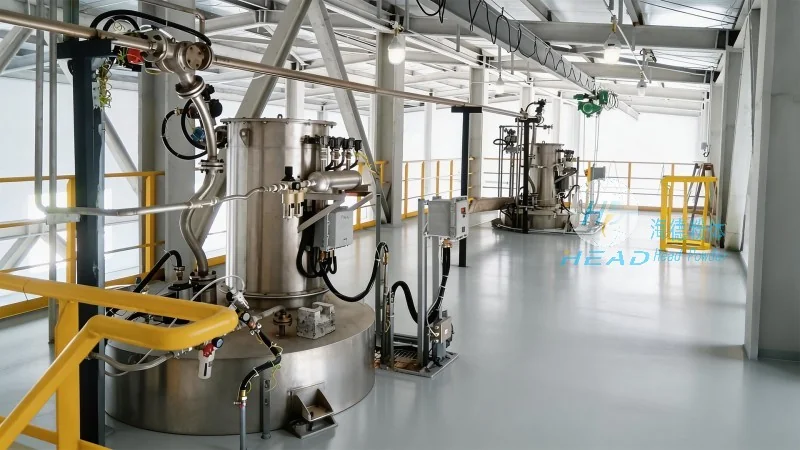
Key Components of the System
The purified powder pneumatic conveying line consists of several critical components that work in tandem to ensure efficient operation. These include the material feed hopper, which stores and feeds the powder into the system; the air compressor, which generates the necessary air pressure; the pipeline network, which transports the material; and the discharge equipment, which delivers the material to its final destination. Each component is carefully selected and engineered to handle the specific characteristics of the powder, such as particle size, moisture content, and flowability. For instance, the feed hopper may be equipped with a rotary valve to control the flow rate and prevent material buildup, while the pipeline is often made of stainless steel to prevent corrosion and maintain a sterile environment. The air compressor is typically a positive displacement type, providing consistent pressure and flow rates to maintain system stability. The pipeline network may include bends, elbows, and expansion joints to accommodate changes in direction and elevation, ensuring smooth material transport without blockages or pressure losses.
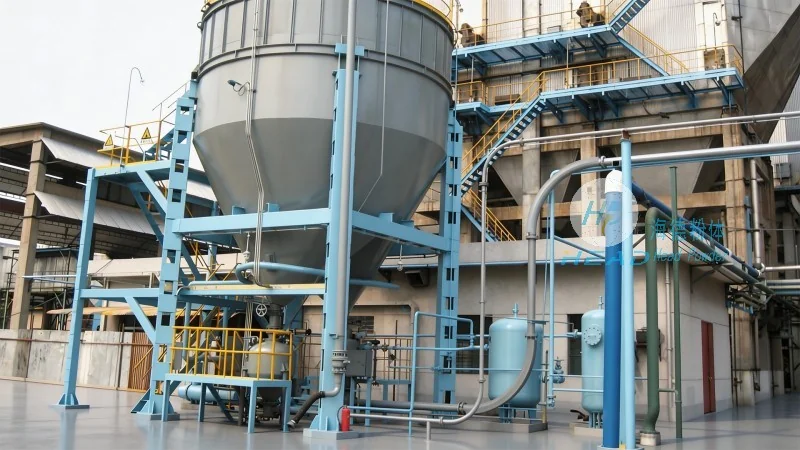
Operation Process of the Pneumatic Conveying Line
The operation of the purified powder pneumatic conveying line follows a systematic process that ensures reliable and continuous material transport. The process begins with the loading of the powder into the feed hopper. The rotary valve then regulates the flow of powder into the pipeline, where it is mixed with the compressed air from the air compressor. The air and powder mixture travels through the pipeline, with the air pressure maintaining the material in suspension. As the mixture reaches the discharge point, the air is separated from the powder, often using a cyclone separator or a filter, and the powder is collected in the receiving container. The air, now clean, is either recycled back into the system or vented to the atmosphere, depending on the system design. The entire process is automated, with sensors and controls monitoring key parameters such as pressure, flow rate, and material level. This automation ensures that the system operates within optimal parameters, preventing overloading or underloading, and maintaining consistent performance. The operation is typically continuous, allowing for 24/7 material transport, which is essential for high-demand industrial applications. The system is also designed for easy maintenance, with access points to key components allowing for quick inspection and repair, minimizing downtime and maximizing productivity.
Working Principle Explained
The working principle of the purified powder pneumatic conveying line is based on the principles of fluid dynamics and particle transport. When the air compressor generates compressed air, it creates a pressure difference between the feed and discharge points of the pipeline. This pressure difference drives the air and powder mixture through the system. The air acts as a carrier, suspending the powder particles and moving them along the pipeline. The velocity of the air is critical, as it must be sufficient to keep the powder particles in suspension but not so high as to cause excessive wear on the pipeline or components. The system is designed to maintain a consistent air velocity, which is achieved through the use of appropriate pipeline diameters and air compressor settings. The separation of air and powder at the discharge point is achieved through a cyclone separator, which uses centrifugal force to separate the heavier powder particles from the lighter air. The powder is then collected in a hopper or container, while the air is either recirculated or vented. The entire process is energy-efficient, as the compressed air is reused within the system, reducing energy consumption and operational costs. The system also minimizes material loss and contamination, as the pipeline is sealed and the environment is controlled, ensuring that the powder remains pure and free from external contaminants.
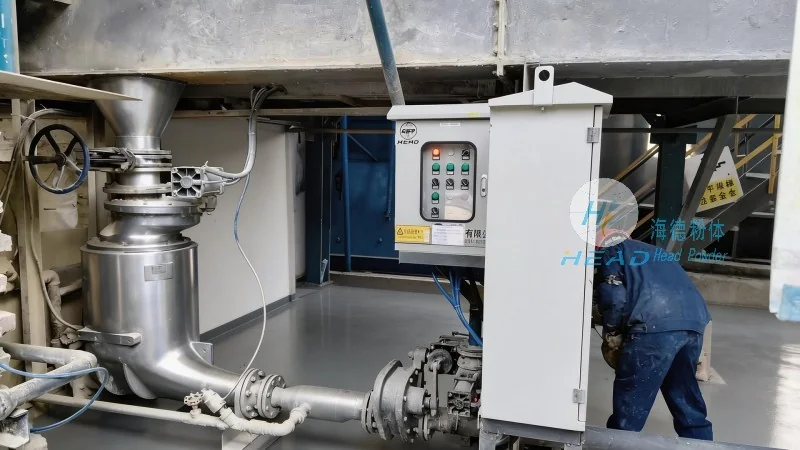
Advantages of Our Purified Powder Pneumatic Conveying Lines
Our purified powder pneumatic conveying lines offer several advantages over traditional mechanical conveying systems. First, they are highly efficient in terms of material transport, as they can move large quantities of powder over long distances with minimal energy consumption. The system is also flexible, allowing for changes in the pipeline layout or material type without major modifications. Another key advantage is the ability to maintain a clean and controlled environment, which is critical for applications involving food, pharmaceuticals, or other sensitive materials. The system is designed to prevent cross-contamination and ensure the purity of the powder, which is essential for meeting regulatory standards. Additionally, the system is low-maintenance, with components that are easy to access and replace, reducing downtime and maintenance costs. The automated controls and monitoring systems provide real-time data on system performance, allowing for quick adjustments and troubleshooting. Finally, the system is scalable, allowing for expansion as the client's needs grow, ensuring a long-term solution that meets evolving requirements.




