Phenolic resin, a versatile and widely used industrial material, often requires efficient and reliable conveying systems to ensure smooth production processes. The choice of conveying method for phenolic resin significantly impacts operational efficiency, material integrity, and overall production costs. This article provides a detailed comparison of common phenolic resin conveying methods, highlighting their advantages and disadvantages, to assist industrial professionals in selecting the most suitable solution for their specific applications.
Introduction to Phenolic Resin and Conveying Challenges
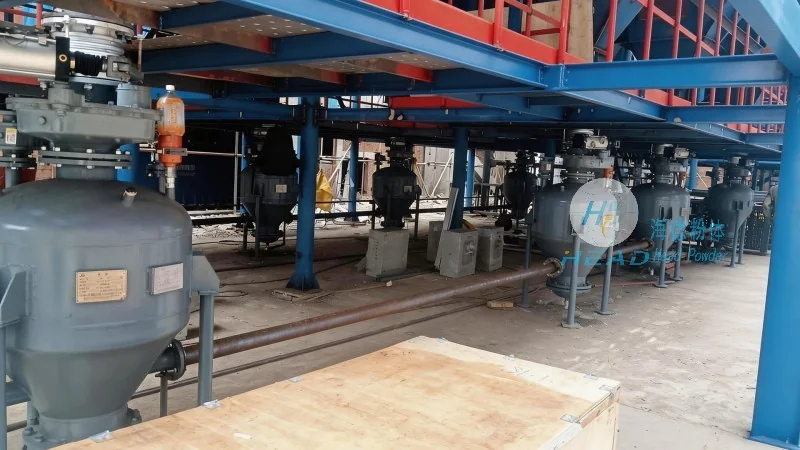
Phenolic resin, also known as phenol-formaldehyde resin, is a thermosetting polymer used in various industries, including automotive, electrical, and construction. Its properties, such as high heat resistance and excellent mechanical strength, make it a preferred material for manufacturing components like adhesives, coatings, and molded parts. However, phenolic resin can be abrasive and may require specialized handling to prevent degradation or contamination. Conveying phenolic resin efficiently while maintaining its quality is a critical challenge in many production lines. Different conveying methods have been developed to address these challenges, each with unique characteristics and suitability for specific scenarios.
Company Overview: Shandong HeadPowder Engineering Co., Ltd.
As a leading provider of industrial solutions, Shandong HeadPowder Engineering Co., Ltd. specializes in the design, manufacturing, and supply of advanced conveying systems tailored to the needs of the chemical and resin industries. With years of experience and a commitment to innovation, HeadPowder offers high-quality equipment that ensures reliable and efficient material handling. The company's expertise in phenolic resin processing and conveying technology positions it as a trusted partner for businesses seeking to optimize their production processes. Located in Shandong, China, HeadPowder leverages its local resources and industry knowledge to deliver tailored solutions that meet the unique requirements of each client.
1. Pumping Methods: Advantages and Disadvantages
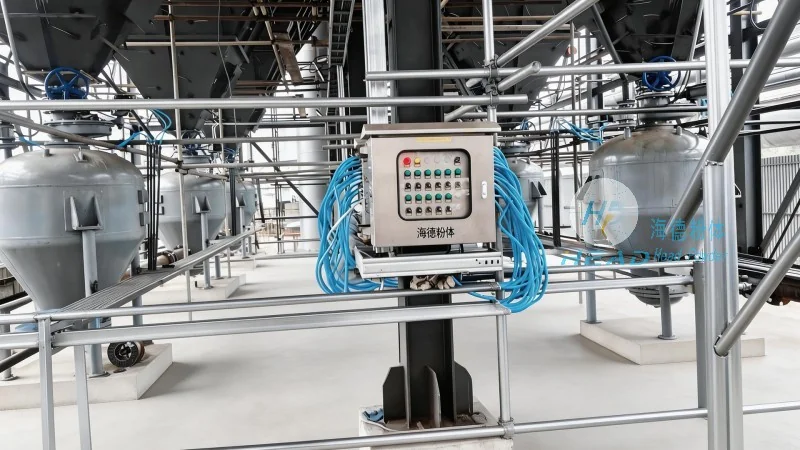
Pumping is a common method for conveying phenolic resin, particularly in applications where the material is in a liquid or semi-liquid state. This method typically involves using positive displacement pumps or centrifugal pumps to move the resin through pipelines. The advantages of pumping include high flow rates, consistent pressure control, and the ability to handle viscous materials. Positive displacement pumps, such as gear pumps or piston pumps, are ideal for phenolic resin due to their ability to maintain a constant flow rate even under varying pressure conditions. This ensures that the resin is transported smoothly without clogging or degradation. However, pumping methods have several disadvantages. One major drawback is the risk of material degradation due to high shear forces, especially with high-viscosity phenolic resins. Additionally, pumping systems require regular maintenance to prevent wear and tear, which can increase operational costs. Another concern is the potential for contamination from pump seals or impellers, which may affect the quality of the resin. Furthermore, pumping may not be suitable for abrasive or solid-containing phenolic resin, as it can lead to pump damage and reduced efficiency.
2. Air-Driven Conveying: Advantages and Disadvantages
Air-driven conveying, also known as pneumatic conveying, uses compressed air to transport phenolic resin in a dry or semi-dry state. This method is particularly effective for handling fine powders or granules of phenolic resin. The advantages of air-driven conveying include low capital cost, minimal maintenance requirements, and the ability to transport materials over long distances without the need for complex piping systems. Pneumatic conveying systems are also flexible, allowing for easy integration into existing production lines. Additionally, this method can handle abrasive materials without causing significant wear on the equipment. However, air-driven conveying has several limitations. One major disadvantage is the high energy consumption associated with compressed air, which can increase operational costs. The efficiency of pneumatic conveying decreases with increasing material density and particle size, as larger particles may settle in the pipeline, leading to blockages. Another concern is the potential for material degradation due to friction between particles and the pipeline walls. Furthermore, air-driven systems may not be suitable for moisture-sensitive phenolic resins, as exposure to air can cause premature curing or degradation. The system also requires proper ventilation to manage dust and prevent air pollution, which adds to the operational complexity.
3. Screw Conveyors: Advantages and Disadvantages
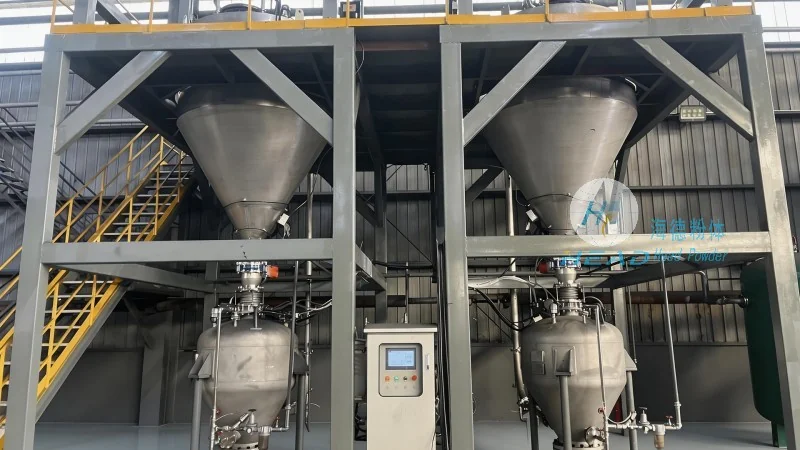
Screw conveyors, also known as auger conveyors, are mechanical devices that use a rotating screw to move phenolic resin through a tube or trough. This method is widely used for conveying bulk materials, including granular or powdered phenolic resin. The advantages of screw conveyors include low cost, simple design, and the ability to handle a wide range of materials, including abrasive ones. Screw conveyors are also relatively easy to install and maintain, making them a popular choice for many industrial applications. Additionally, this method can transport materials at a consistent rate, ensuring smooth production processes. However, screw conveyors have several disadvantages. One major drawback is the risk of material degradation due to high shear forces, especially with high-viscosity phenolic resins. The rotating screw can cause friction and heat generation, which may affect the quality of the resin. Another concern is the potential for clogging, particularly with wet or sticky phenolic resin, as the screw may not be able to move the material effectively. Furthermore, screw conveyors are not suitable for transporting materials with high moisture content, as the screw may not be able to handle the increased viscosity. The system also requires regular cleaning to prevent material buildup, which can increase maintenance costs. Additionally, the design of the screw and the trough may need to be optimized for specific resin characteristics to ensure efficient operation.
4. Belt Conveyors: Advantages and Disadvantages
Belt conveyors are another common method for conveying phenolic resin, particularly in applications where the material is in a solid or granular form. This method involves using a continuous belt that moves the resin along a path, often supported by rollers or idlers. The advantages of belt conveyors include high capacity, long-distance transport, and the ability to handle large volumes of material. Belt conveyors are also relatively low maintenance, as they have fewer moving parts compared to other systems. Additionally, this method can transport materials at a consistent rate, ensuring smooth production processes. However, belt conveyors have several disadvantages. One major drawback is the risk of material degradation due to friction between the belt and the material, especially with abrasive phenolic resin. The belt may wear out quickly, requiring frequent replacement, which increases operational costs. Another concern is the potential for material spillage or leakage, particularly with loose or fine particles, which can lead to contamination or safety hazards. Furthermore, belt conveyors are not suitable for transporting materials with high moisture content, as the belt may not be able to handle the increased weight or stickiness. The system also requires regular cleaning and maintenance to prevent material buildup, which can affect the efficiency of the conveyor. Additionally, the design of the belt and the supporting structure may need to be optimized for specific resin characteristics to ensure efficient operation.
5. Hydraulic Conveying: Advantages and Disadvantages
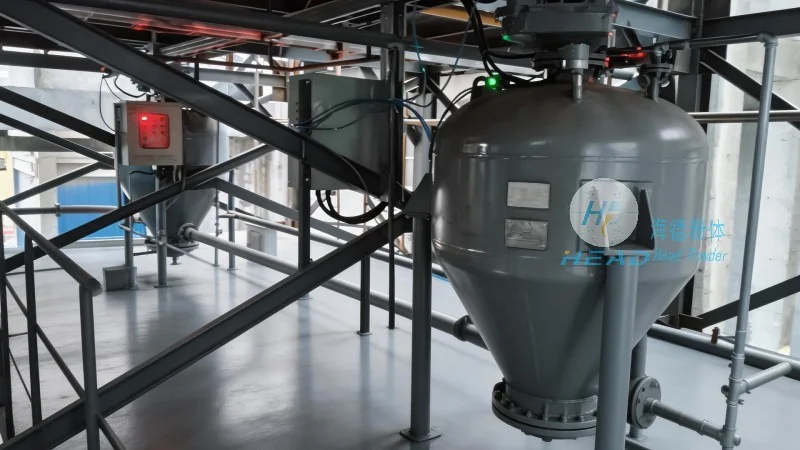
Hydraulic conveying uses high-pressure fluid to transport phenolic resin through a pipeline. This method is particularly effective for handling viscous or high-density materials. The advantages of hydraulic conveying include high flow rates, consistent pressure control, and the ability to handle materials with high viscosity. Hydraulic systems are also relatively simple to operate and maintain, as they have fewer moving parts compared to other systems. Additionally, this method can transport materials over long distances without significant pressure loss. However, hydraulic conveying has several limitations. One major drawback is the high cost associated with hydraulic equipment, including pumps, valves, and pipelines. The system also requires regular maintenance to prevent leaks or pressure loss, which can increase operational costs. Another concern is the risk of material degradation due to high shear forces, especially with high-viscosity phenolic resins. The high-pressure fluid can cause friction and heat generation, which may affect the quality of the resin. Furthermore, hydraulic systems are not suitable for transporting materials with high moisture content, as the fluid may cause premature curing or degradation. The system also requires proper sealing to prevent fluid leakage, which adds to the complexity of the design. Additionally, the design of the hydraulic system may need to be optimized for specific resin characteristics to ensure efficient operation.
Conclusion: Selecting the Right Conveying Method for Phenolic Resin
Selecting the appropriate phenolic resin conveying method is a critical decision that impacts the efficiency, quality, and cost of production. Each method has unique advantages and disadvantages, and the choice depends on several factors, including the resin's physical properties, the required flow rate, the distance of transport, and the available budget. Pumping methods are ideal for liquid or semi-liquid phenolic resin, while air-driven conveying is suitable for dry powders. Screw and belt conveyors are effective for bulk materials, and hydraulic conveying is best for high-viscosity or high-density resins. It is essential to consider the specific requirements of the application and consult with experts, such as Shandong HeadPowder Engineering Co., Ltd., to ensure the most suitable conveying system is selected. By carefully evaluating the advantages and disadvantages of each method, industrial professionals can optimize their production processes, reduce costs, and maintain the quality of phenolic resin throughout the conveying process.




