For industries dealing with iron concentrate transport, selecting the right pneumatic conveying system is crucial for efficiency, cost-effectiveness, and operational safety. Pneumatic conveying systems offer a versatile solution to move iron concentrate from mining sites to processing facilities, and even within the plant for various stages of production. This article explores the different types of pneumatic conveying systems used in iron concentrate transport and their practical applications, highlighting the importance of choosing the appropriate system based on specific operational requirements.
Introduction to Pneumatic Conveying Systems for Iron Concentrate Transport
Iron concentrate, a critical raw material in steel production, often requires specialized handling due to its granular nature and varying particle sizes. Traditional methods like belt conveyors or bucket elevators may not be suitable for all scenarios, especially when dealing with dusty or abrasive materials. Pneumatic conveying systems provide an alternative that uses air or gas to transport material through a pipeline, offering advantages such as reduced maintenance, lower energy consumption, and the ability to handle materials in a closed system, minimizing environmental impact.
Types of Pneumatic Conveying Systems
There are primarily three types of pneumatic conveying systems used in iron concentrate transport: positive pressure systems, negative pressure (vacuum) systems, and mixed-pressure systems. Each type has distinct characteristics and is suited for different operational conditions.
Positive Pressure Systems
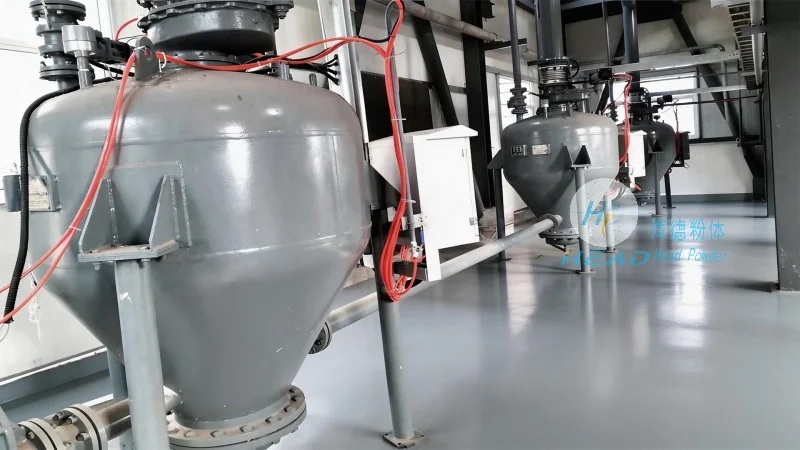
Positive pressure systems operate by blowing air or gas into the conveying line, creating a pressure higher than the ambient air pressure. This method is commonly used for short to medium-distance transport and is ideal for high-concentration material flows. The system typically includes a blower or compressor at the inlet, which forces air and material through the pipeline. Positive pressure systems are efficient for transporting iron concentrate from mining trucks or storage silos to processing equipment, as they can handle high material loads without significant pressure loss.
Negative Pressure (Vacuum) Systems
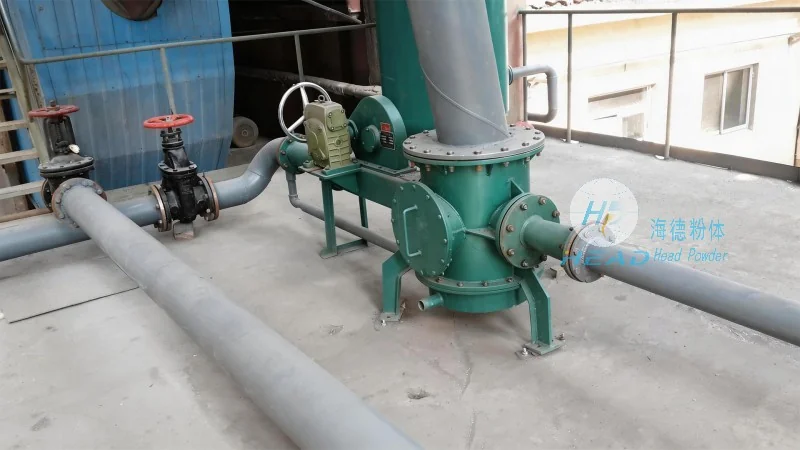
Negative pressure systems, also known as vacuum conveying systems, work by creating a vacuum at the inlet of the conveying line, drawing material into the pipeline. This method is suitable for long-distance transport and low-concentration material flows. The vacuum is generated by a vacuum pump, and the system is often used for transporting iron concentrate from remote mining sites to processing facilities, where the material may need to be moved over considerable distances. Negative pressure systems are particularly effective for handling fine or dusty iron concentrate, as they can maintain a consistent flow without the need for high air velocities.
Mixed-Pressure Systems
Mixed-pressure systems combine elements of both positive and negative pressure systems. They use a combination of a blower and a vacuum pump to create a controlled pressure differential along the pipeline. This approach offers flexibility, allowing the system to handle both high and low material concentrations over varying distances. Mixed-pressure systems are often used in complex iron concentrate transport operations where different sections of the pipeline require different pressure conditions, such as moving material from a storage silo to a processing plant over a long distance with varying elevation changes.
Practical Applications in Iron Concentrate Handling
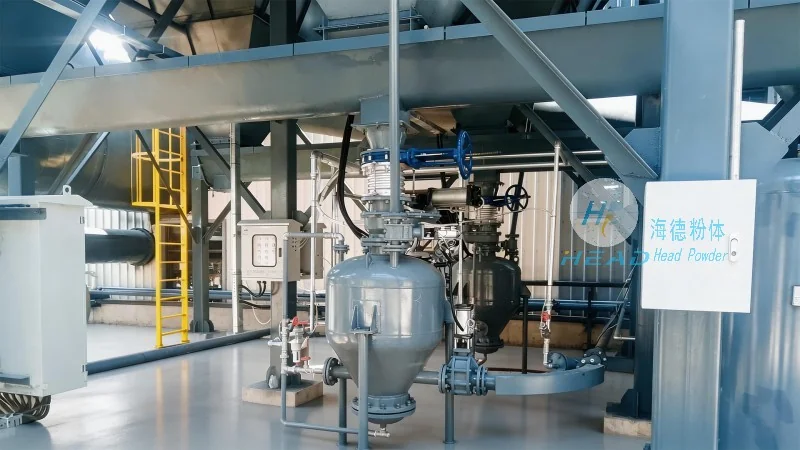
Pneumatic conveying systems find extensive use in various stages of iron concentrate handling. From the initial mining and crushing operations to the final processing and storage, these systems play a vital role in ensuring smooth material flow. For example, in a mining operation, a positive pressure system can be used to transport crushed iron ore from the crusher to a storage silo, while a negative pressure system may be employed to move the concentrate from the silo to the processing plant over a longer distance. Within the processing plant, mixed-pressure systems can be utilized to transport iron concentrate between different processing units, such as from grinding to classification and then to filtration.
Case Studies and Operational Efficiency
Real-world applications of pneumatic conveying systems in iron concentrate transport have demonstrated significant improvements in operational efficiency and cost savings. A case study from a major iron ore mine in Shandong, China, involved implementing a positive pressure system to transport iron concentrate from the mine to the processing plant. The system was designed to handle high material loads and short distances, resulting in reduced downtime and increased throughput. Another case study involved a negative pressure system used to transport fine iron concentrate from a remote processing facility to a storage terminal, where the system's ability to maintain a consistent vacuum ensured reliable material flow over long distances. These examples highlight the adaptability of pneumatic conveying systems to meet the specific needs of iron concentrate transport operations.
Company Overview: Shandong HeadPowder Engineering Co., Ltd.
Shandong HeadPowder Engineering Co., Ltd., a leading manufacturer based in Shandong, China, specializes in designing and manufacturing pneumatic conveying systems tailored to the needs of iron concentrate transport. With years of experience in the industry, the company provides customized solutions that address the unique challenges of handling iron concentrate, such as particle size variations, moisture content, and environmental regulations. The company's systems are engineered to ensure high efficiency, low maintenance, and compliance with industry standards, making them a trusted choice for businesses in the iron and steel industry. Whether it's a positive pressure, negative pressure, or mixed-pressure system, Shandong HeadPowder Engineering Co., Ltd. offers reliable and effective solutions to optimize iron concentrate transport operations.




