In the field of powder handling, selecting an appropriate air conveying system is critical for efficiently transporting materials like precipitated barium sulfate. Two primary methods dominate this process: positive pressure air conveying and negative pressure air conveying. Each method has distinct operational principles, performance characteristics, and practical implications that influence its suitability for various industrial applications. This analysis provides a comprehensive comparison of these two approaches, focusing on their mechanisms, advantages, and challenges for handling precipitated barium sulfate.
Understanding Positive Pressure Air Conveying
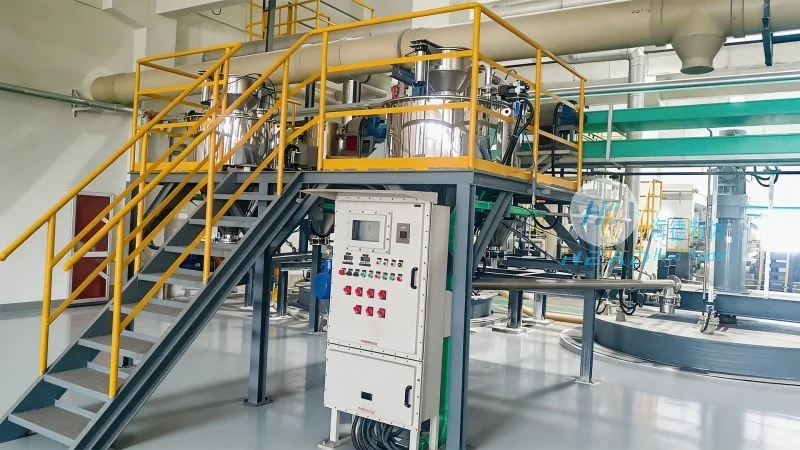
Positive pressure air conveying operates by blowing air under pressure into the conveying line. Material is introduced and carried forward by the pressurized air stream. This method is robust and suitable for a wide range of materials, including those with higher moisture or cohesive properties. For precipitated barium sulfate, a fine dry powder, positive pressure systems ensure consistent flow rates and minimal degradation. The system includes a blower, material feeding hopper, and discharge point. Maintained pressure prevents backflow and supports continuous flow, ideal for long-distance or high-capacity transport.
Advantages and Considerations of Positive Pressure Conveying
Key advantages include handling abrasive or sticky powders without significant wear, maintaining material integrity, and preventing agglomeration. However, it requires robust equipment (high-capacity blowers, reinforced pipelines) increasing initial costs. Noise and ventilation for air emissions are also considerations. Energy consumption is higher due to continuous high-pressure operation.
Exploring Negative Pressure Air Conveying
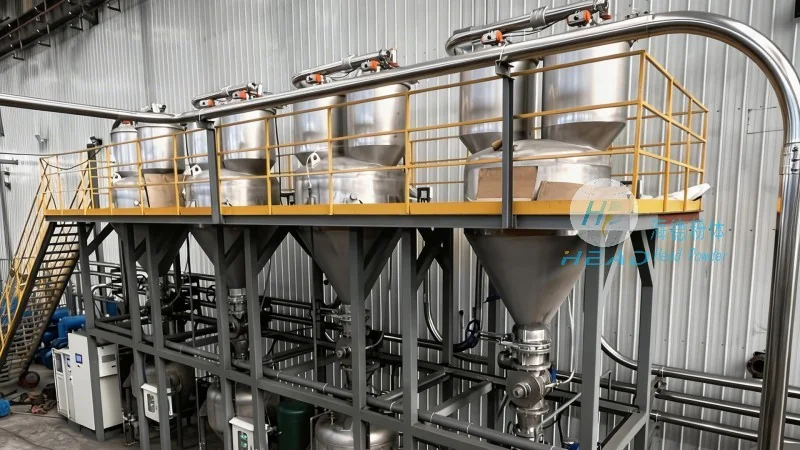
Negative pressure air conveying, or suction conveying, creates a vacuum in the line, drawing material in via a fan or vacuum pump. Preferred for difficult-to-access sources or sensitive materials, it’s useful for fine powders prone to dust. The system includes a vacuum pump, collection hopper, and discharge point. It allows gentle handling, reducing particle breakage, and avoids mechanical feeding mechanisms, suitable for low to medium capacity.
Advantages and Limitations of Negative Pressure Conveying
Lower initial cost compared to positive pressure systems, as it uses less robust equipment and may leverage existing ventilation. Operation is quieter and more energy-efficient. However, it struggles with long distances due to diminishing suction force and is more prone to clogging with cohesive materials. For precipitated barium sulfate, dust accumulation and system contamination risks are higher, requiring frequent maintenance.
Performance Comparison: Positive vs. Negative Pressure Conveying
Capacity and distance are primary factors. Positive pressure systems offer higher capacity and longer distances, ideal for large-scale operations. Negative pressure systems are better for shorter runs and lower volumes. Material properties (particle size, moisture, cohesion) also matter. Fine powders like precipitated barium sulfate benefit from both systems’ handling but require careful management. Energy consumption is higher for positive pressure due to high-pressure blowers versus lower energy use but lower throughput for negative pressure.
Practical Applications and Recommendations
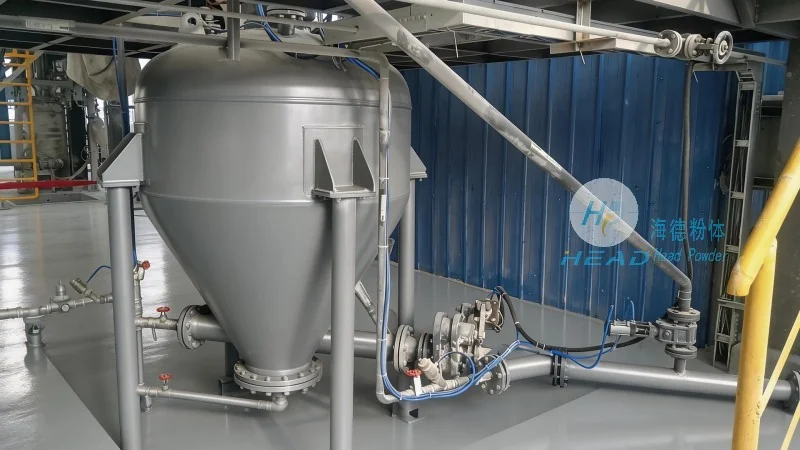
The choice depends on application needs. Large-scale production lines with high throughput and long distances favor positive pressure systems. Smaller operations or confined space collection benefit from negative pressure systems, which are more cost-effective. Environmental and safety aspects also play a role: positive pressure systems generate more noise and require ventilation, while negative pressure helps contain dust but needs more cleaning.
About Shandong HeadPowder Engineering Co., Ltd.
Shandong HeadPowder Engineering Co., Ltd., or headpowder, is a leading provider of specialized engineering solutions for powder handling and material transport. Focused on innovation and quality, the company offers tailored air conveying systems for diverse industrial needs. Headpowder’s expertise lies in designing and manufacturing equipment that ensures efficient, reliable, and safe handling of materials like precipitated barium sulfate. The company’s commitment to customer satisfaction and technical excellence has established it as a trusted partner, delivering solutions that enhance operational efficiency and reduce costs. Based in Shandong, China, headpowder leverages local expertise and resources to provide comprehensive support and services to global clients.




