Efficient and reliable material handling is a critical factor in the fertilizer industry, where the safe and effective transport of granular fertilizers from production sites to storage or application points is essential for operational success. Among the various pneumatic conveying technologies available, positive pressure and negative pressure systems represent two primary approaches. This analysis provides a detailed comparison of these two methods, focusing on their operational principles, advantages, limitations, and suitability for fertilizer granule transport. The insights below are presented by Shandong HeadPowder Engineering Co., Ltd., a leading provider of specialized engineering solutions for material handling in the agricultural sector.
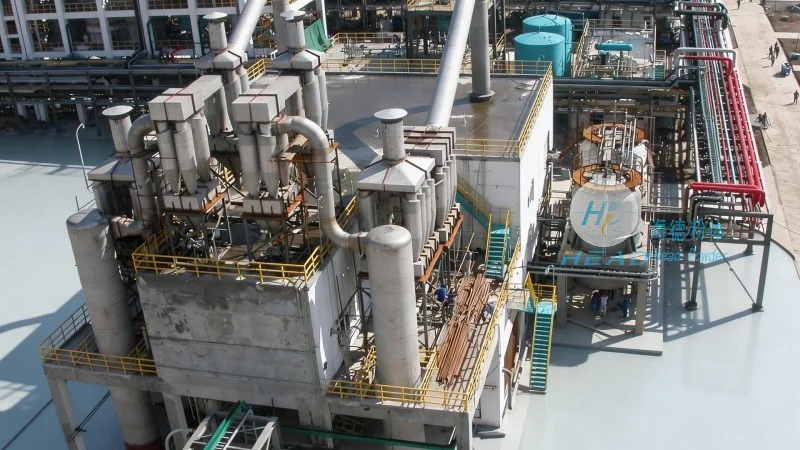
Understanding Pneumatic Conveying Systems
Pneumatic conveying systems utilize air or gas to transport bulk materials like fertilizer granules through a pipeline network. The two main categories are positive pressure and negative pressure systems, distinguished by the pressure differential maintained within the conveying line relative to the ambient environment. Positive pressure systems operate with higher pressure inside the pipeline than the surrounding atmosphere, while negative pressure systems maintain lower pressure inside the line compared to the external environment. Each approach has distinct characteristics that influence its application in fertilizer handling operations.
Positive Pressure Conveying of Fertilizer Granules
Positive pressure conveying, also known as pressure pneumatic conveying, involves the use of a positive pressure blower or compressor to generate air flow that propels fertilizer granules through the pipeline. The system operates by injecting air into the conveying line at a pressure higher than the ambient air pressure, creating a pressure differential that drives material movement. This method is particularly effective for transporting granular materials over long distances or through complex pipeline networks, as the high pressure ensures consistent material flow and reduces the risk of blockages.
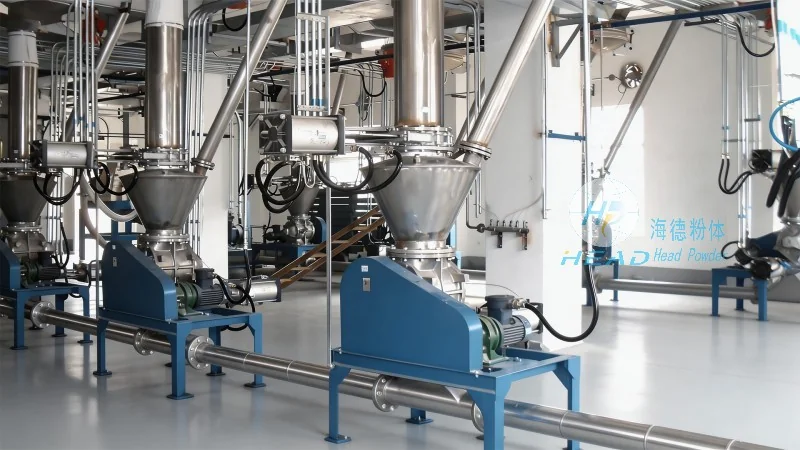
A key advantage of positive pressure systems is their ability to handle abrasive or corrosive materials, such as certain types of fertilizer granules, without significant wear on the equipment. The pressurized environment also helps maintain material integrity, preventing degradation or segregation during transport. Additionally, positive pressure systems can operate with higher material velocities, which is beneficial for applications requiring rapid transport of large quantities of fertilizer. However, these systems may require more robust equipment and higher energy consumption compared to negative pressure alternatives, and they can pose safety risks if not properly maintained, particularly regarding air leaks and pressure buildup.
Negative Pressure Conveying of Fertilizer Granules
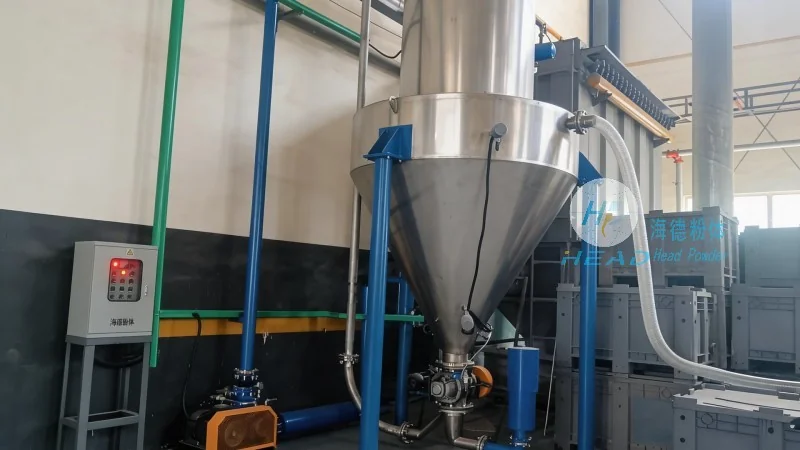
Negative pressure conveying, or vacuum pneumatic conveying, relies on a vacuum pump to create a low-pressure environment within the conveying line, drawing material from the source and transporting it to the destination. The system operates by creating a pressure differential where the line pressure is lower than the ambient air pressure, causing material to be drawn into the pipeline by the vacuum. This approach is often preferred for applications requiring the collection of material from multiple points or for handling fine powders that might be susceptible to dust dispersion.
One of the primary benefits of negative pressure systems is their lower energy consumption compared to positive pressure systems, as they typically require less power to maintain the vacuum. The vacuum environment also helps minimize dust emissions and maintain a cleaner working environment, which is advantageous in fertilizer processing facilities where dust control is critical. Negative pressure systems are well-suited for short to medium-distance transport and for handling materials that are sensitive to high air velocities or pressure. However, they may be less effective for long-distance or high-volume transport, as the vacuum can lead to reduced material flow rates and increased risk of blockages if the system is not properly designed or maintained.
Comparative Analysis: Positive vs. Negative Pressure Conveying
When evaluating the suitability of positive versus negative pressure conveying for fertilizer granule transport, several factors must be considered, including distance, material characteristics, system complexity, and operational costs. Positive pressure systems generally offer higher material throughput and are more suitable for long-distance or high-volume applications, making them ideal for large-scale fertilizer production and distribution operations. They are particularly effective for handling abrasive or heavy granules that require consistent pressure to prevent settling or bridging in the pipeline. Conversely, negative pressure systems are better suited for shorter transport distances, fine powders, or applications where dust control and lower energy consumption are prioritized. They are often used in smaller-scale operations or for collecting material from multiple sources.
The choice between the two systems also depends on the specific properties of the fertilizer granules, such as particle size, moisture content, and flowability. For example, positive pressure systems may be preferred for handling coarse, dense granules that require high pressure to prevent settling or bridging in the pipeline, while negative pressure systems may be more appropriate for fine, dusty fertilizers that are prone to dispersion and require a controlled vacuum environment to maintain material integrity. Additionally, the layout of the facility and the number of transfer points can influence the decision, as positive pressure systems can handle multiple discharge points more efficiently, while negative pressure systems may require additional equipment for material collection at each source.
Key Considerations for Implementing Pneumatic Conveying Systems
Regardless of the chosen pneumatic conveying method, several key considerations are essential for successful implementation in fertilizer handling operations. These include proper system design, which involves selecting the appropriate pipeline diameter, air velocity, and pressure levels based on the material characteristics and transport requirements. Regular maintenance is critical to ensure system efficiency and longevity, as components such as blowers, vacuum pumps, and filters require periodic inspection and replacement to prevent performance degradation. Additionally, safety measures must be implemented to mitigate risks associated with pressure systems, such as air leaks or pressure buildup, and to control dust emissions, which is particularly important in fertilizer processing facilities where dust can pose health and environmental hazards.
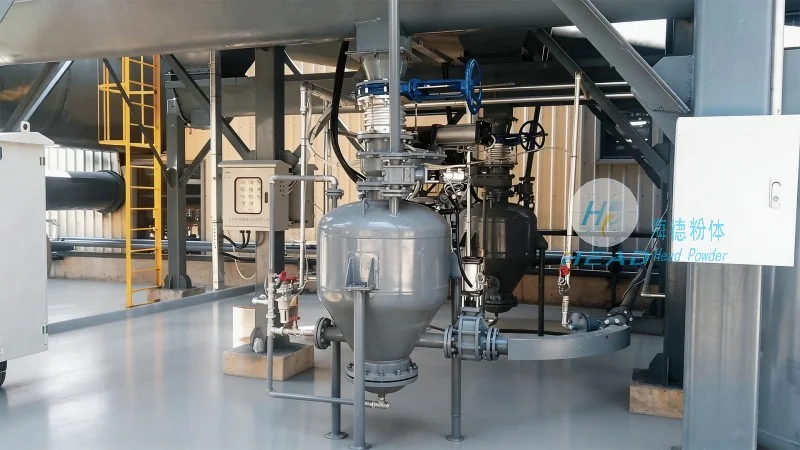
Another important consideration is the integration of the conveying system with other processing equipment, such as storage silos or blending units. A well-designed system ensures smooth material flow between processes, minimizing downtime and maximizing operational efficiency. Shandong HeadPowder Engineering Co., Ltd. specializes in providing customized pneumatic conveying solutions tailored to the specific needs of fertilizer manufacturers, ensuring that both positive and negative pressure systems are optimized for performance, reliability, and cost-effectiveness.
Conclusion
In conclusion, both positive pressure and negative pressure pneumatic conveying systems offer viable solutions for the transport of fertilizer granules, each with distinct advantages and limitations. Positive pressure systems excel in long-distance, high-volume applications and are suitable for handling abrasive or heavy materials, while negative pressure systems are better suited for shorter distances, fine powders, and applications requiring lower energy consumption and better dust control. The choice between the two depends on factors such as distance, material properties, system complexity, and operational costs. By carefully evaluating these factors and implementing proper design and maintenance practices, fertilizer manufacturers can select the most appropriate pneumatic conveying method to enhance operational efficiency and ensure the safe and effective transport of their products. Shandong HeadPowder Engineering Co., Ltd. remains committed to delivering innovative and reliable material handling solutions that meet the evolving needs of the fertilizer industry.




