When it comes to the efficient and reliable transportation of polyethylene resin powder, selecting the right pneumatic conveying method is crucial for industrial operations. HeadPowder, a leading provider of engineering solutions for material handling, specializes in pneumatic conveying systems for polyethylene resin powder. Based in Shandong, China, the company offers tailored solutions to meet the diverse needs of industrial clients. In this analysis, we will explore the differences between positive pressure and negative pressure conveying systems, focusing on their applications, advantages, and limitations in the context of polyethylene resin powder handling. This comparison aims to help industrial professionals make informed decisions based on their specific operational needs and material characteristics.
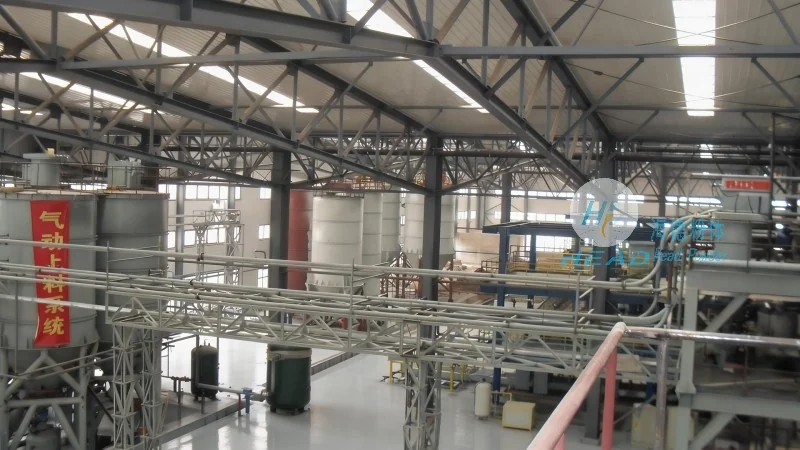
Introduction to Pneumatic Conveying for Polyethylene Resin Powder
Pneumatic conveying is a widely used technique for transporting bulk materials like polyethylene resin powder, offering advantages such as reduced dust, improved safety, and the ability to handle materials in a closed system. The two primary methods are positive pressure and negative pressure conveying, each with distinct mechanisms and suitability for different scenarios. Understanding these differences is essential for optimizing material flow, minimizing downtime, and ensuring consistent product quality in industrial processes.
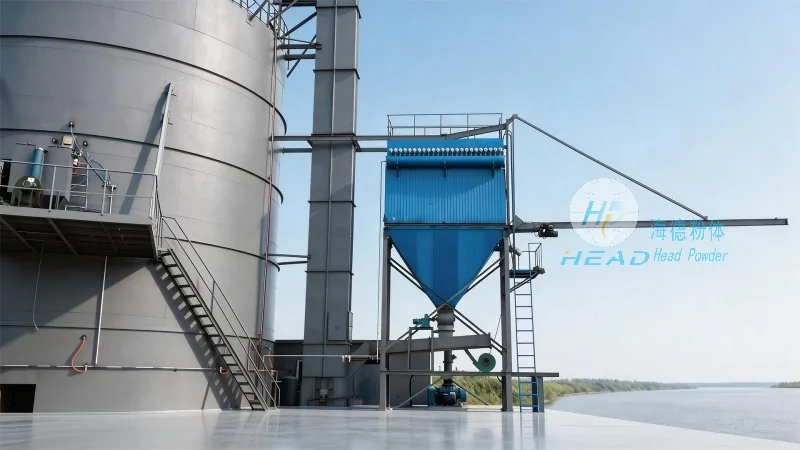
Positive Pressure Conveying of Polyethylene Resin Powder
Positive pressure conveying, also known as pressure pneumatic conveying, operates by blowing air or a carrier gas into the material stream, creating a positive pressure within the system. This method is particularly effective for transporting polyethylene resin powder over long distances or through complex piping networks. The system typically includes a blower or compressor that generates the necessary pressure to move the material. One of the key advantages of positive pressure conveying is its ability to handle abrasive or sticky materials without causing excessive wear on equipment. Additionally, it can maintain a consistent flow rate, which is critical for maintaining production line efficiency. However, this method may require more energy compared to negative pressure systems, and the higher pressure can sometimes lead to increased maintenance needs for the blower or compressor components. The system also needs to be carefully designed to prevent pressure buildup and ensure proper venting to avoid safety hazards.
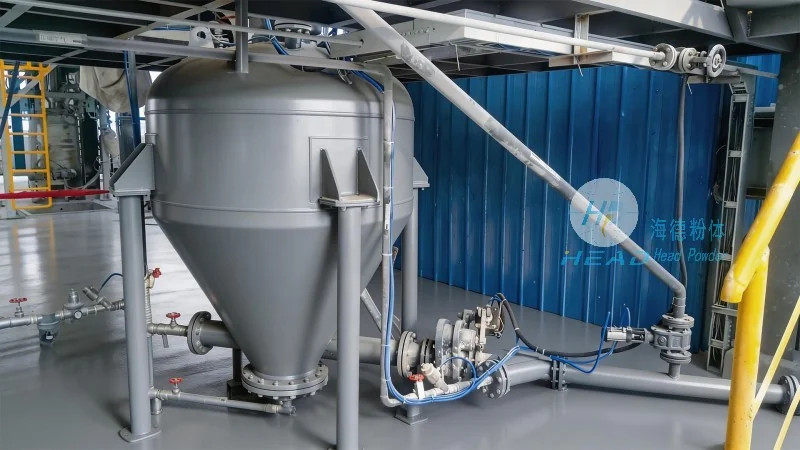
Negative Pressure Conveying of Polyethylene Resin Powder
Negative pressure conveying, or vacuum pneumatic conveying, works by creating a vacuum in the system to draw material from the source into the conveying line. This method is often preferred for shorter distances and when the material needs to be collected from multiple points or from a hopper. The system uses a vacuum pump to create the necessary suction, and the material is drawn along with the air or carrier gas. A significant advantage of negative pressure conveying is its lower energy consumption compared to positive pressure systems, as it primarily relies on the vacuum pump rather than a high-pressure blower. This can result in cost savings and reduced operational costs over time. However, negative pressure systems may be less suitable for long-distance or high-volume conveying, as the vacuum can drop as the material travels through the pipe, potentially reducing the conveying efficiency. Additionally, the system is more susceptible to contamination from external air, which can affect the purity of the polyethylene resin powder. Proper filtration and sealing are essential to maintain product quality and prevent dust exposure.
Comparative Analysis: Positive vs. Negative Pressure Conveying
When comparing positive and negative pressure conveying for polyethylene resin powder, several factors come into play, including distance, material characteristics, system complexity, and operational costs. Positive pressure systems excel in long-distance and high-volume applications, offering consistent flow and better control over material handling. They are ideal for abrasive or sticky materials that require minimal wear and consistent pressure. On the other hand, negative pressure systems are more energy-efficient and suitable for shorter distances or when the material needs to be collected from multiple sources. They are also less complex in terms of equipment, as they primarily use a vacuum pump rather than a high-pressure blower. However, negative pressure systems may struggle with long distances and are more prone to contamination and pressure loss. The choice between the two methods depends on the specific requirements of the industrial process, such as the distance between the source and destination, the volume of material to be conveyed, and the characteristics of the polyethylene resin powder (e.g., particle size, moisture content, and dustiness).
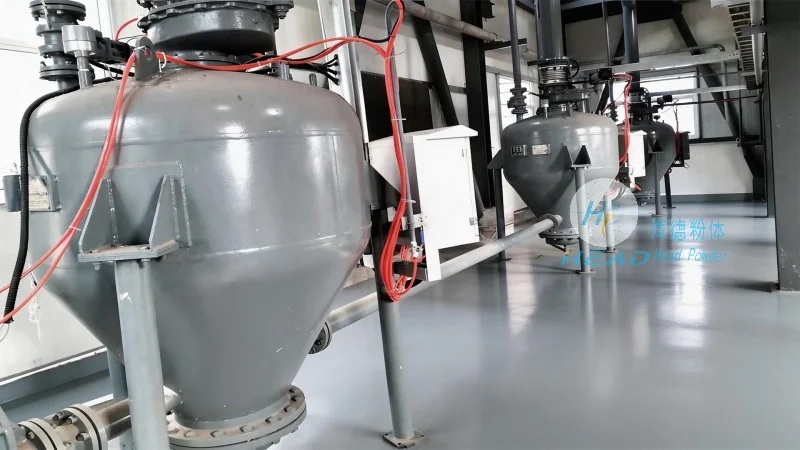
Key Considerations for Selecting the Right Conveying System
Choosing the appropriate pneumatic conveying system for polyethylene resin powder involves evaluating several key factors. First, the distance and layout of the conveying route are critical. For long distances or complex piping, positive pressure systems are often more reliable. Second, the material properties of the polyethylene resin powder, such as particle size, moisture content, and dust generation, influence the system's design. For example, fine or cohesive powders may require more aggressive conveying methods to prevent blockages. Third, operational costs, including energy consumption and maintenance, play a significant role in the decision-making process. Positive pressure systems may have higher energy costs but lower maintenance for the vacuum pump in negative pressure systems. Fourth, safety considerations, such as dust explosion risks, must be addressed. Proper sealing, explosion-proof equipment, and dust collection systems are essential to ensure compliance with safety regulations and protect personnel and equipment.




