Shandong HeadPowder Engineering Co., Ltd., commonly known as headpowder, is a professional engineering company based in Shandong, China. The company specializes in providing advanced pneumatic conveying solutions for industries handling carbon black and coal powder. With a focus on technical innovation and customer-centric design, headpowder delivers reliable and efficient systems tailored to the unique challenges of material transport in these sectors.
Understanding Pneumatic Conveying Methods
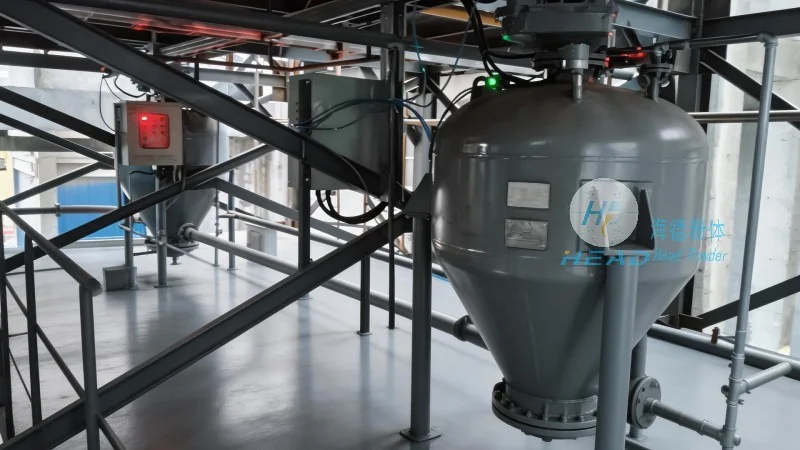
Pneumatic conveying is a widely used technique for transporting bulk materials like carbon black and coal powder through a pipeline using air or gas. The two primary methods—positive pressure conveying and negative pressure conveying—differ in their operational principles, applications, and performance characteristics. This analysis explores the key aspects of each method to help industries select the most suitable approach for their material handling needs.
Positive Pressure Conveying: The Pressurized Approach
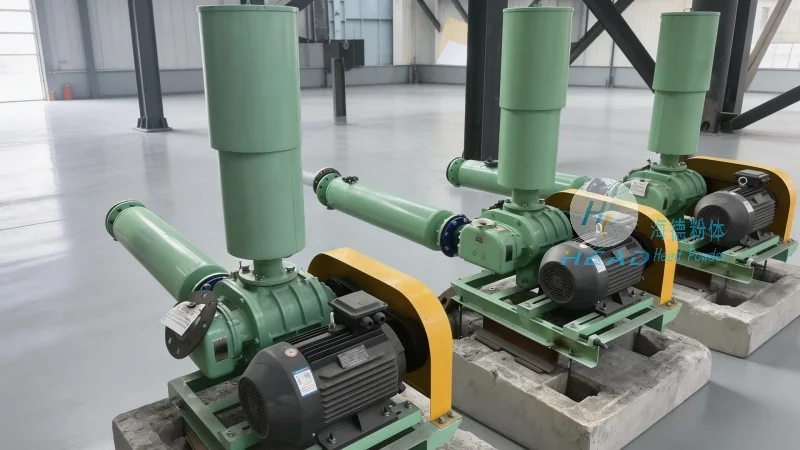
Positive pressure conveying, also known as pressure conveying, operates by maintaining a pressure higher than the ambient air pressure within the conveying pipeline. This method forces the material through the system using pressurized air, typically generated by a blower or compressor. The system includes components such as a feeder, conveying line, separator, and receiving hopper. For carbon black and coal powder, this approach offers several advantages. The high-pressure environment ensures a closed system, minimizing dust emissions and preventing material contamination. Additionally, the ability to control pressure allows for precise regulation of material flow rate and uniformity, which is critical for maintaining product quality in downstream processes.
However, positive pressure conveying has its limitations. The system requires robust sealing and pressure control equipment to prevent air leakage and maintain efficiency. In applications involving long distances or high resistance, pressure losses can occur, potentially leading to blockages or reduced throughput. Moreover, the high pressure may increase wear on components, especially when handling abrasive materials like carbon black. Despite these challenges, positive pressure conveying remains the preferred choice for long-distance, high-volume transport where efficiency and reliability are paramount.
Negative Pressure Conveying: The Vacuum-Assisted Method
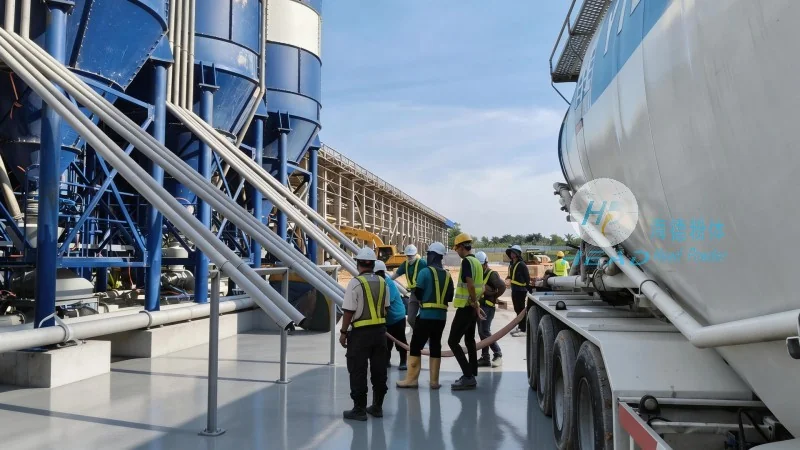
Negative pressure conveying, or vacuum conveying, works by creating a vacuum within the pipeline, which draws material from the source into the system. This method relies on a vacuum pump to generate the suction force, and the material is typically transported in a dilute phase (air-suspended) or dense phase (slurried) depending on the application. For carbon black and coal powder, negative pressure conveying offers distinct benefits. The low-pressure environment reduces wear on equipment, as the material moves in a suspended state rather than sliding along the pipeline walls. This is particularly advantageous for handling fine powders that are prone to abrasion. The vacuum system also allows for flexible collection from multiple points, such as from storage silos or production lines, without the need for complex transfer points.
Nevertheless, negative pressure conveying has its drawbacks. The vacuum pump consumes more energy compared to a blower in positive pressure systems, leading to higher operational costs. The system is also more susceptible to clogging when handling high-concentration or sticky materials, as the vacuum may not provide sufficient force to move the material through the line. Additionally, the risk of dust leakage is higher in negative pressure systems, as the lower pressure can allow fine particles to escape if the seals are not properly maintained.
Comparative Analysis: Choosing the Right Method
The selection between positive and negative pressure conveying depends on several factors, including the distance of transport, material characteristics, system cost, and operational requirements. For long-distance, high-volume applications, positive pressure conveying is generally more efficient due to its ability to maintain consistent pressure and flow. It is ideal for transporting carbon black and coal powder over distances exceeding several hundred meters, where the pressure differential can overcome terrain and resistance effectively.
On the other hand, negative pressure conveying excels in short-distance or localized transport scenarios. Its flexibility in collecting material from multiple sources makes it suitable for applications where the material is generated at different points in a facility. For example, in a coal processing plant, negative pressure conveying can be used to move coal from a crusher to a storage silo without the need for extensive piping. The low wear and minimal material degradation also make it preferable for handling sensitive or high-value powders.
headpowder's Expertise in Pneumatic Conveying
As a leading provider of pneumatic conveying solutions, headpowder leverages its technical expertise to design and implement customized systems for carbon black and coal powder transport. The company combines the strengths of both positive and negative pressure methods, offering hybrid solutions that optimize performance and cost. By integrating advanced control systems, material flow sensors, and high-quality components, headpowder ensures that its conveying systems operate reliably, with minimal downtime and maintenance.
headpowder's commitment to customer satisfaction is reflected in its comprehensive approach to system design. The company works closely with clients to understand their specific material handling challenges, such as dust control, energy efficiency, and space constraints. This collaborative process results in tailored solutions that address not only the technical aspects but also the operational and economic considerations of the client. Whether a client requires a long-distance positive pressure system or a short-distance negative pressure setup, headpowder provides the expertise and equipment to meet their needs effectively.
In conclusion, both positive and negative pressure conveying methods offer viable solutions for transporting carbon black and coal powder, each with its own advantages and limitations. The choice between the two depends on the specific requirements of the application. With its professional engineering capabilities and commitment to quality, Shandong HeadPowder Engineering Co., Ltd. (headpowder) is well-positioned to assist industries in selecting and implementing the most appropriate pneumatic conveying system for their material handling needs.




