For the efficient and reliable transport of sodium sulphate, various pneumatic conveying systems have been developed to meet the specific demands of industrial operations. These systems are crucial in ensuring the safe and effective movement of the material from source to destination, especially in applications where traditional mechanical conveying methods may be less suitable. This article explores the different types of pneumatic conveying systems used in sodium sulphate transport and their practical applications, highlighting the advantages and considerations for each system.
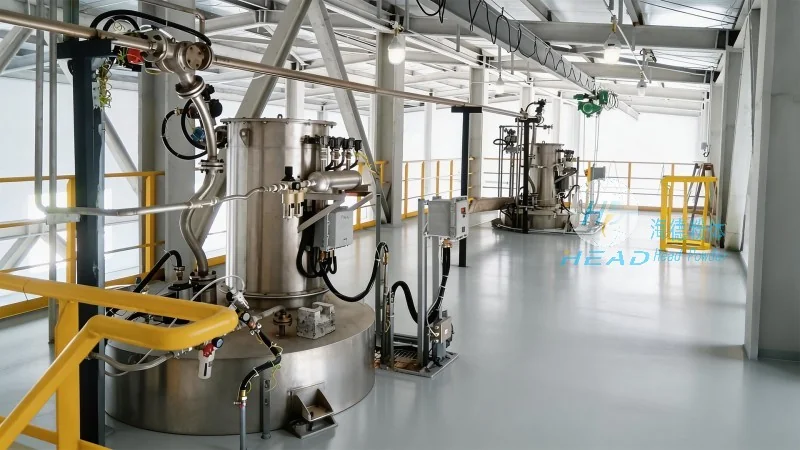
Pneumatic Conveying System Types for Sodium Sulphate Transport
There are primarily two main categories of pneumatic conveying systems: dilute-phase and dense-phase systems. Each type operates on different principles and is suited to various operational conditions and material characteristics.
Dilute-Phase Pneumatic Conveying Systems
Dilute-phase systems are characterized by the material being transported in a suspended state within the conveying air stream. This method is typically used for materials that are free-flowing and have a relatively low dust content. The system operates at higher air velocities, which helps to keep the material particles suspended and prevents clogging. In the context of sodium sulphate transport, dilute-phase systems are often employed for short to medium distance applications where the material can be conveyed at higher speeds without excessive wear on the system components.
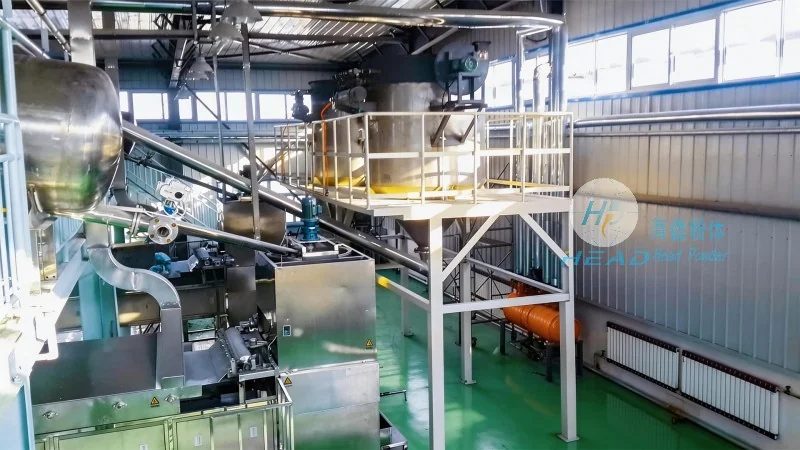
Dense-Phase Pneumatic Conveying Systems
Dense-phase systems, on the other hand, transport the material in a more compacted form, often as a slurry or a dense mixture with the conveying air. This method is suitable for materials that are more cohesive or have higher dust content, as it reduces the risk of particle separation and clogging. The system operates at lower air velocities, which allows for a more controlled and stable flow of the material. For sodium sulphate, dense-phase systems are particularly useful when transporting materials over longer distances or when the material needs to be handled gently to avoid degradation.
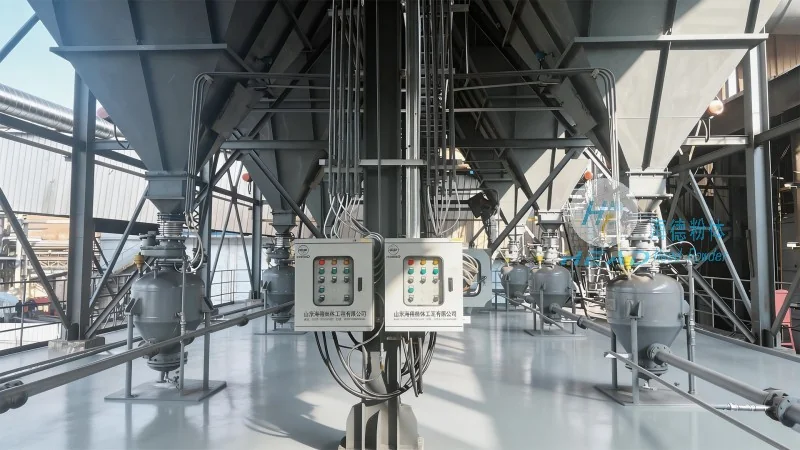
Practical Applications of Pneumatic Conveying Systems in Sodium Sulphate Transport
The choice of pneumatic conveying system for sodium sulphate transport depends on several factors, including the distance of transport, the material's properties, and the required handling conditions. Dilute-phase systems are commonly used in applications such as bulk handling in chemical plants, where the material needs to be moved quickly and efficiently from storage to processing units. Dense-phase systems are often preferred in scenarios where the material is being transported to a distant location, such as from a production facility to a storage terminal, or when the material is sensitive and requires minimal agitation.
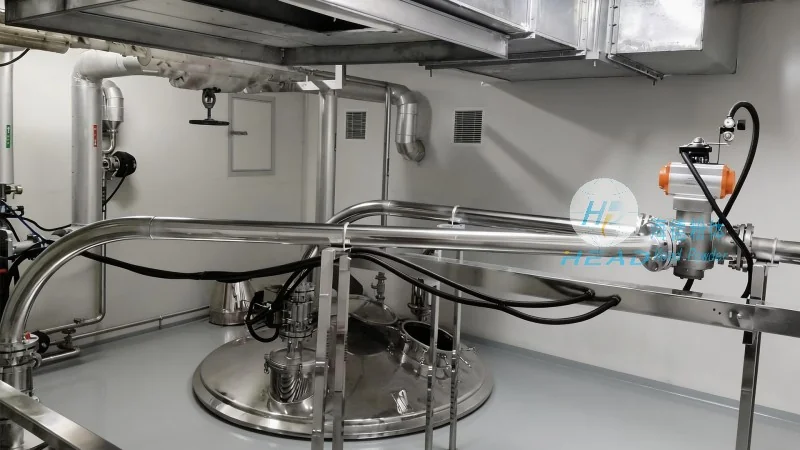
Advantages and Considerations for Pneumatic Conveying Systems
Both dilute-phase and dense-phase pneumatic conveying systems offer significant advantages in sodium sulphate transport. These include reduced maintenance costs compared to mechanical systems, as there are fewer moving parts and less wear from friction. Additionally, pneumatic systems can be designed to handle materials with varying moisture content and particle sizes, making them versatile for different industrial applications. However, there are also considerations to keep in mind. For example, dilute-phase systems may require higher air pressure and more energy compared to dense-phase systems, which can impact operational costs. Dense-phase systems, while more energy-efficient, may have higher initial setup costs due to the need for more robust equipment to handle the denser material flow.
Conclusion
In conclusion, the selection of an appropriate pneumatic conveying system for sodium sulphate transport is critical to ensure operational efficiency and material integrity. By understanding the different types of systems available and their practical applications, industrial operators can make informed decisions that align with their specific needs. The use of these systems not only enhances the safety and reliability of material handling processes but also contributes to overall operational cost savings and productivity improvements.




