HeadPowder, a leading engineering company based in Shandong, China, specializes in advanced powder handling solutions. The positive and negative pressure mixed powder pneumatic conveying system is a sophisticated technology designed to efficiently transport bulk powders over long distances with minimal operational issues. This system combines the advantages of both positive and negative pressure conveying methods, offering enhanced flexibility and reliability in various industrial applications.
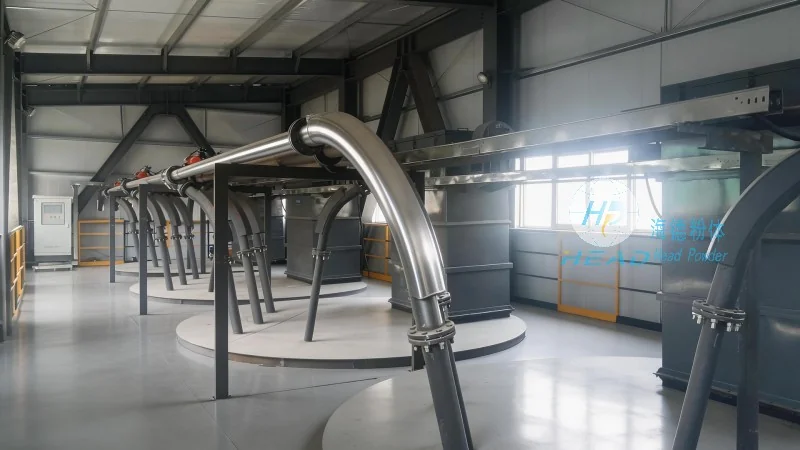
Working Principle of the Mixed Pressure System
The mixed pressure pneumatic conveying system operates by integrating positive and negative pressure zones to move powders. In the positive pressure section, air is forced through the conveying line, creating a pressure higher than the ambient, which draws powders from the source into the system. The negative pressure section, on the other hand, uses suction to pull powders from the discharge point back towards the source, often through a return line. This dual-pressure approach allows for the transportation of powders from multiple sources to a single destination or vice versa, optimizing material flow and reducing energy consumption compared to traditional single-pressure systems.
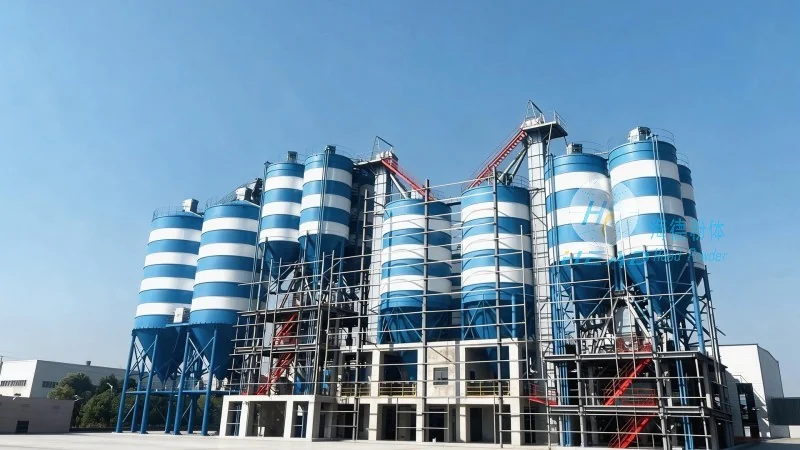
Key Components and Their Functions
The system comprises several critical components that work in tandem to ensure smooth operation. The feeder, typically a rotary valve or a star feeder, controls the flow rate of the powder into the conveying line. The air compressor or blower provides the necessary air pressure for the positive pressure section, while the vacuum pump or fan manages the negative pressure in the suction zone. The conveying line, usually made of stainless steel or other corrosion-resistant materials, is designed to withstand the pressure differentials and prevent powder leakage. Additionally, the system includes filters and cyclones to separate the powder from the air, ensuring clean air discharge and preventing dust accumulation in the system.
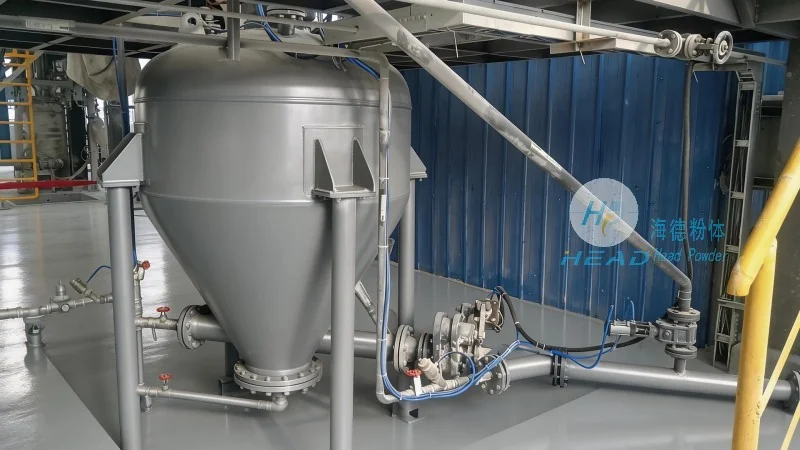
Operation Process and Flow Control
The operation process begins with the powder being fed into the system at the source. The feeder regulates the feed rate, ensuring a consistent flow of material. The air compressor then injects air into the conveying line, creating a positive pressure that propels the powder forward. As the powder moves through the line, it may encounter expansion joints or bends, which are designed to accommodate thermal changes and minimize pressure losses. In the negative pressure section, the vacuum pump draws air and powder from the discharge point, pulling the material back towards the source through a return line. The cyclone separator then separates the powder from the air, allowing the clean air to be recirculated or discharged, while the powder is collected in a hopper or storage tank.
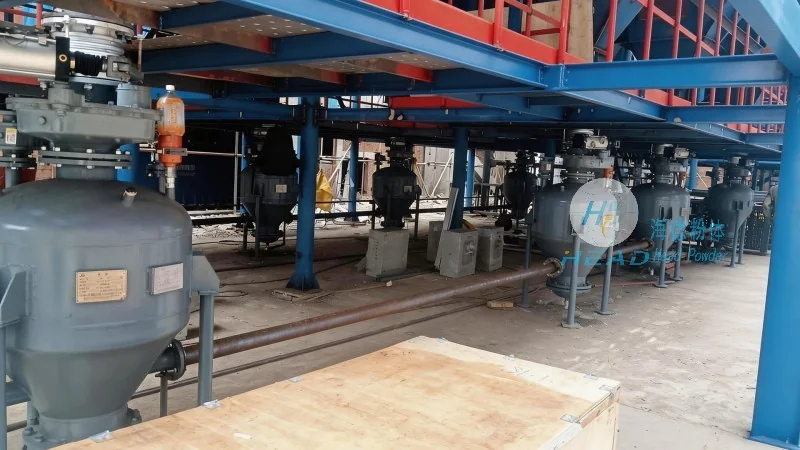
Advantages and Applications
The positive and negative pressure mixed system offers several advantages over conventional pneumatic conveying methods. It provides greater flexibility in handling powders with varying flow properties, such as cohesive or fine powders, by adjusting the pressure zones. The system also reduces the risk of blockages and material degradation, as the dual-pressure approach minimizes the impact of high velocities on the powder particles. This makes it suitable for a wide range of industrial applications, including pharmaceuticals, food processing, chemical manufacturing, and cement production. The system's ability to transport powders over long distances with minimal maintenance and energy consumption further enhances its appeal in various industries.




