Denitration urea material handling systems are integral to industrial operations, particularly in power plants and chemical facilities where the reduction of nitrogen oxides (NOx) from flue gases is mandatory. These systems are engineered to efficiently transport urea, a primary reagent in Selective Catalytic Reduction (SCR) processes, from storage to injection points. The equipment within such systems ensures the reliable and safe movement of urea, maintaining optimal conditions for effective NOx reduction and compliance with environmental regulations.
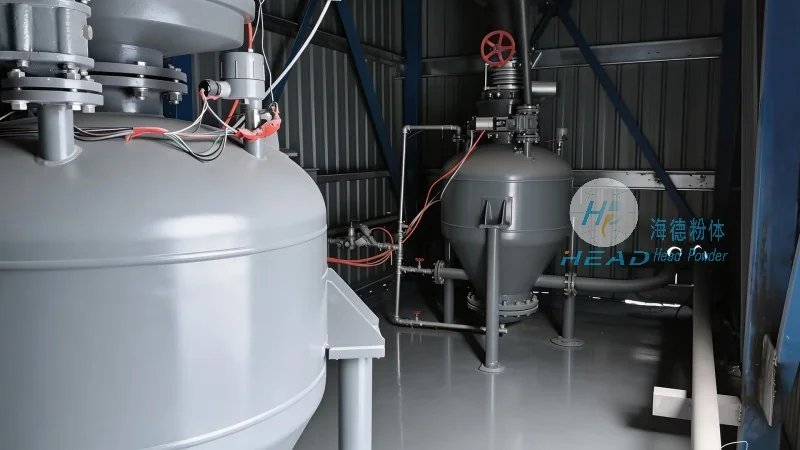
Key Components of the Denitration Urea Material Handling System
The denitration urea material handling system comprises several critical components, each with a specific function to ensure system efficiency and reliability. The primary components include: 1. **Urea Storage Tanks**: These tanks are typically made of stainless steel or other corrosion-resistant materials, designed to hold large volumes of urea solution. Temperature control systems are often integrated to prevent crystallization, as urea can solidify under low temperatures. 2. **Pumps**: Urea pumps, such as centrifugal or metering pumps, are used to transfer the urea solution from the storage tanks to the conveying system. These pumps are designed to handle the high viscosity of urea solutions and maintain consistent flow rates. 3. **Conveying Equipment**: This includes screw conveyors, pneumatic systems, or belt conveyors, which transport the urea solution to the injection point. The choice of conveying method depends on the system's capacity, distance, and environmental considerations. 4. **Metering Devices**: Flow meters or dosing pumps are used to accurately control the urea dosage, ensuring it matches the required concentration for the specific flue gas conditions. 5. **Control Systems**: Integrated control systems, often based on PLCs or DCS platforms, monitor and regulate all components. They track parameters like flow rate, pressure, temperature, and urea concentration, adjusting the system as needed to maintain optimal performance.
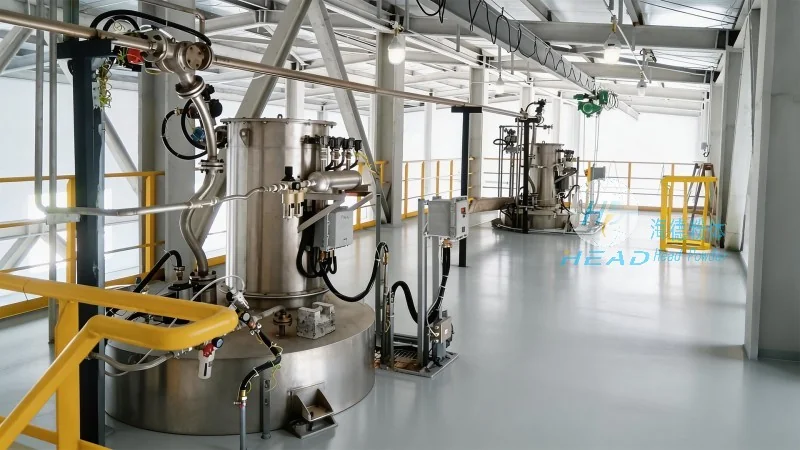
Working Principle of the System
The working principle of the denitration urea material handling system involves a coordinated sequence of steps to deliver urea to the SCR system. The process begins with the urea solution being stored in the tank, where it is kept in a liquid state through heating or agitation. A pump then draws the urea from the tank and pumps it into a conveying line. The conveying equipment transports the urea to the injection point, where it is mixed with the flue gas stream. The metering device regulates the flow rate, ensuring the correct dosage is delivered. The control system continuously monitors the system, adjusting pump speed or flow rate to maintain the desired urea concentration. This closed-loop control ensures precise delivery, minimizing waste and optimizing the denitration process.
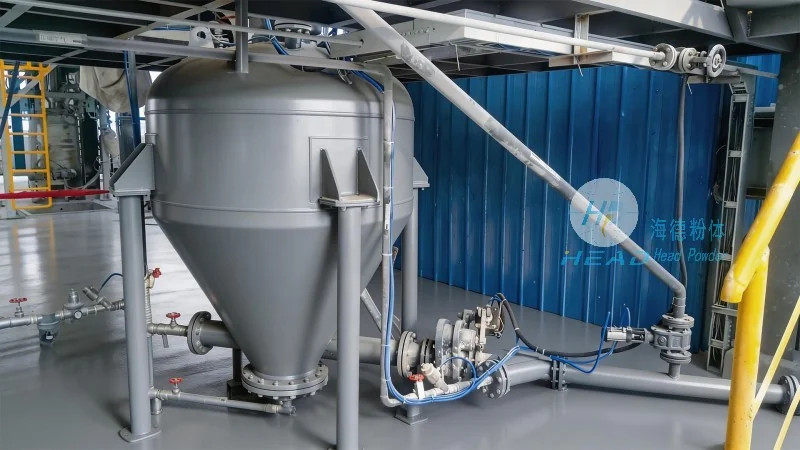
Operation Process of the Denitration Urea Material Handling System
The operation process of the denitration urea material handling system starts with system preparation. The urea solution is prepared by dissolving urea in water to the required concentration and stored in the tank. The system is then started by activating the control panel, which initiates the pump and conveying equipment. The pump draws the urea solution from the tank and pumps it through the conveying line to the injection point. The metering device measures the flow rate and adjusts the dosage based on the set parameters. The control system monitors system parameters, such as pressure and temperature, and alerts operators if any abnormalities occur. During normal operation, the system maintains a steady flow of urea to the SCR system, ensuring consistent NOx reduction. The system can be adjusted or stopped as needed, for example, during maintenance or when flue gas conditions change. The entire process is automated, reducing manual intervention and ensuring consistent performance.
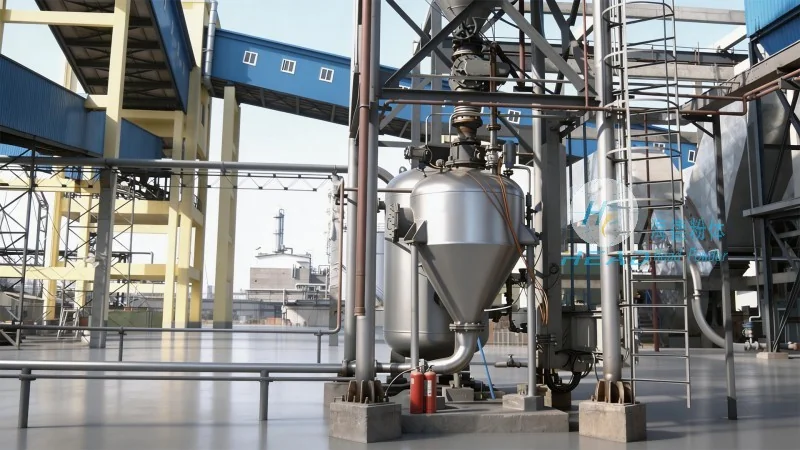
Benefits and Applications of the Denitration Urea Material Handling System
The denitration urea material handling system offers significant benefits, making it a vital component in modern industrial facilities. The system ensures efficient and reliable urea delivery, which is critical for effective NOx reduction. By maintaining precise control over the urea dosage, it helps meet environmental regulations and reduce emissions. The automated control system minimizes human error and ensures consistent performance, improving operational efficiency. The system is also designed for durability and low maintenance, reducing long-term operational costs. These benefits make the system suitable for various applications, including power generation, chemical manufacturing, and industrial facilities where flue gas denitration is required. The system can be customized to meet specific facility needs, ensuring optimal performance and compliance with environmental standards.




