Desulfurization gypsum, a byproduct of flue gas desulfurization in thermal power plants and other industrial facilities, is widely utilized in construction materials, agriculture, and other sectors. The efficient and reliable conveying of this material is crucial for industrial operations, and understanding its operating process and working principle is essential for optimizing material handling systems. This article provides a detailed overview of the operational aspects and technical principles involved in the conveying of desulfurization gypsum, with a focus on the processes and equipment used in the material handling chain.
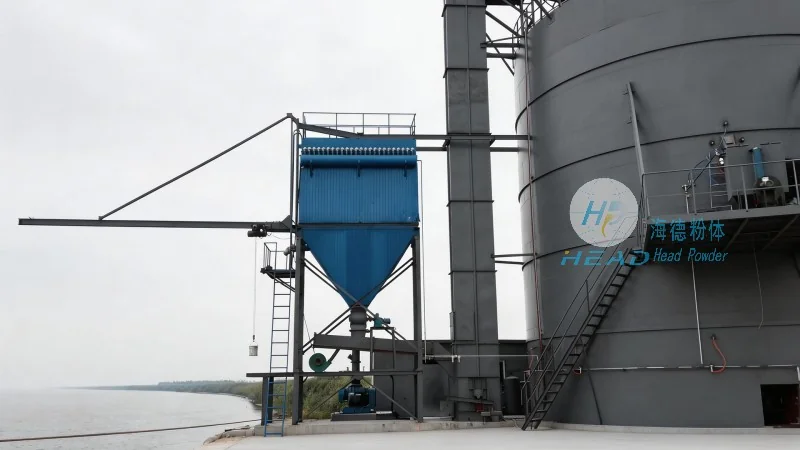
HeadPowder, a leading engineering company based in Shandong, China, specializes in the design, manufacturing, and implementation of advanced material handling solutions. With a strong commitment to innovation and quality, HeadPowder has developed comprehensive systems for the transportation of desulfurization gypsum, ensuring high efficiency, low maintenance, and environmental compliance. The company's expertise in industrial material handling has enabled it to deliver tailored solutions that meet the specific needs of clients across various industries.
Key Components and Equipment in Desulfurization Gypsum Conveying Systems
The conveying of desulfurization gypsum typically involves a series of components and equipment designed to handle the material's physical properties, such as its fine particle size, moisture content, and potential stickiness. Key components include feeders, conveyors (e.g., belt conveyors, screw conveyors), and storage silos. Each component plays a critical role in the overall system, ensuring smooth material flow from the source to the destination.
Feeders are used to regulate the flow of desulfurization gypsum from the storage or processing area to the conveyor system. They can be designed as gravity feeders, screw feeders, or vibratory feeders, depending on the material's characteristics and the required flow rate. The feeder's design ensures that the material is discharged uniformly and continuously, preventing blockages and maintaining consistent conveyor speed.
Working Principle of Desulfurization Gypsum Conveying
The working principle of desulfurization gypsum conveying systems revolves around the transfer of material through mechanical means, such as gravity, screw rotation, or belt movement. The process begins with the material being fed into the system, where it is then transported to the desired location. The key to efficient conveying lies in the proper selection and integration of equipment, as well as the maintenance of optimal operating conditions.
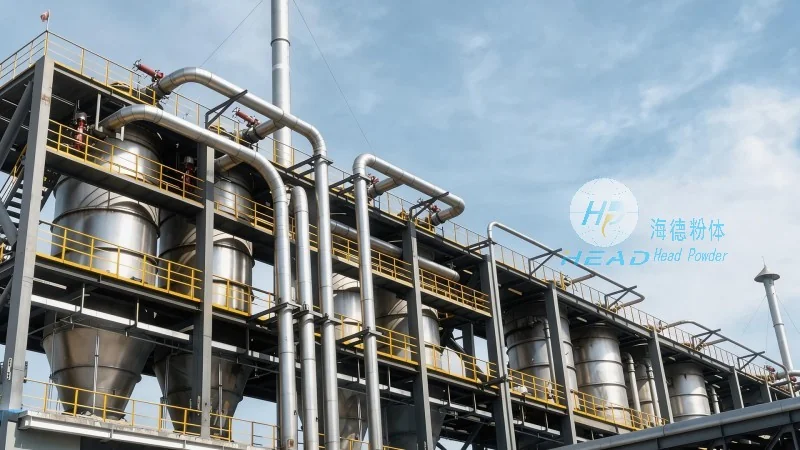
For example, belt conveyors are commonly used for horizontal and inclined transport of desulfurization gypsum due to their high capacity and ability to handle large volumes of material. The belt, typically made of durable materials like rubber or PVC, moves the material along the conveyor path, while idlers and pulleys maintain the belt's tension and alignment. The speed of the belt and the angle of inclination are carefully controlled to ensure that the material is conveyed without excessive wear or degradation.
Screw conveyors, on the other hand, are suitable for vertical or inclined transport and are particularly effective for handling fine, dry materials like desulfurization gypsum. The screw, rotating within a trough, pushes the material forward through the system. The pitch and diameter of the screw are designed to match the material's characteristics, ensuring efficient transport and minimizing material degradation.
Operational Steps in Desulfurization Gypsum Material Conveying
The operational process of desulfurization gypsum conveying involves several steps that must be executed in sequence to ensure smooth material flow. The first step is the collection of the material from the storage silo or processing unit. The material is then fed into the feeder, which regulates the flow rate and ensures a consistent supply to the conveyor system.
Next, the material is conveyed to the next stage of the process, such as a storage or processing facility. The conveyor system may include multiple segments, with each segment designed to handle a specific distance or elevation change. The material is transported through these segments, with the speed and tension of the conveyor adjusted as needed to maintain optimal flow.
During the conveying process, it is essential to monitor key parameters such as material flow rate, belt tension, and temperature. These parameters are critical for ensuring the system operates efficiently and safely. Any deviations from the normal operating conditions can be detected and addressed promptly, preventing system downtime and material loss.
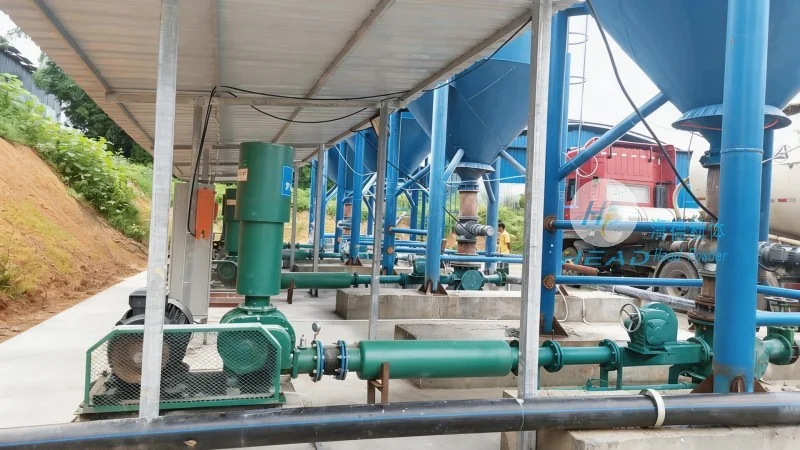
Maintenance and Optimization of Desulfurization Gypsum Conveying Systems
Maintenance is a critical aspect of ensuring the long-term performance and reliability of desulfurization gypsum conveying systems. Regular maintenance activities include cleaning the conveyor belt and trough, lubricating moving parts, and inspecting the feeder and conveyor components for wear and damage. Proper maintenance not only extends the lifespan of the equipment but also ensures consistent material quality and system efficiency.
Optimization of the conveying system is also important to maximize productivity and minimize energy consumption. This can be achieved through adjustments to the conveyor speed, feeder settings, and system configuration. By optimizing these parameters, companies can reduce operational costs and improve overall system performance.
HeadPowder's expertise in material handling systems allows them to provide comprehensive maintenance and optimization services for desulfurization gypsum conveying systems. The company's team of engineers and technicians are trained to diagnose and resolve issues quickly, ensuring that clients can maintain high levels of productivity and system reliability.
Conclusion
In conclusion, the conveying of desulfurization gypsum is a complex process that requires careful consideration of the material's properties and the selection of appropriate equipment. The operating process and working principle of the conveying system are critical to ensuring efficient and reliable material handling. With the right equipment and proper maintenance, desulfurization gypsum can be transported safely and effectively, supporting the various applications in which it is used.




