Understanding the mechanics of silicomanganese pneumatic conveying is crucial for industries that rely on efficient powder handling. This article delves into the working principles of such systems, highlighting the technology's role in transporting silicomanganese—a vital alloying agent used in steel production—through an air-based system. The following overview provides a comprehensive look at the system's components, operational processes, and practical applications, presented by Shandong HeadPowder Engineering Co., Ltd., a leading provider in the field.
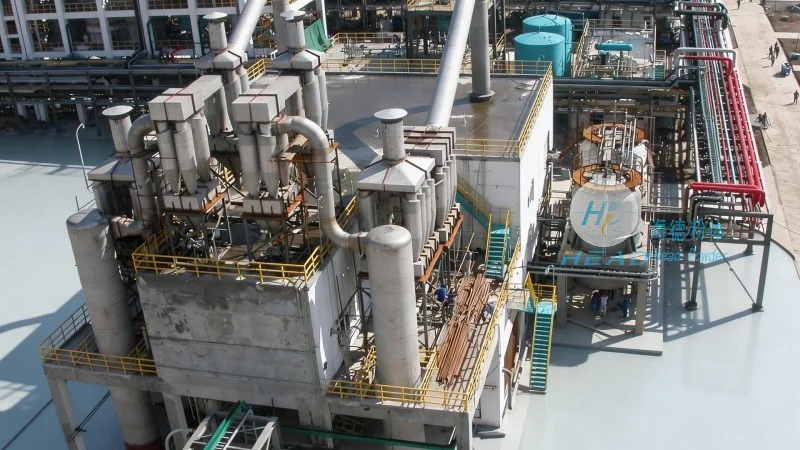
Company Overview: HeadPowder Engineering
Shandong HeadPowder Engineering Co., Ltd. is a reputable enterprise based in China, specializing in the design, manufacturing, and implementation of advanced powder handling solutions. With a strong commitment to innovation and customer satisfaction, HeadPowder serves a diverse range of industries, including metallurgy, chemicals, and food processing. The company's expertise lies in developing customized pneumatic conveying systems tailored to meet the unique requirements of clients, ensuring optimal performance and reliability in material transport. HeadPowder's dedication to quality and technical excellence has established it as a trusted partner for businesses seeking efficient and cost-effective powder handling solutions.
What is Silicomanganese Pneumatic Conveying?
Silicomanganese is a ferroalloy composed of manganese and silicon, widely used as a deoxidizer and alloying agent in steelmaking. Pneumatic conveying, also known as air conveying, is a method of transporting bulk powders or granular materials using a stream of air. In the context of silicomanganese, this technology enables the safe and efficient movement of the material from storage silos or processing units to production lines. The system relies on the principle of air pressure or vacuum to move the material through a network of pipes, eliminating the need for mechanical components like conveyors or elevators that may cause material degradation or contamination.
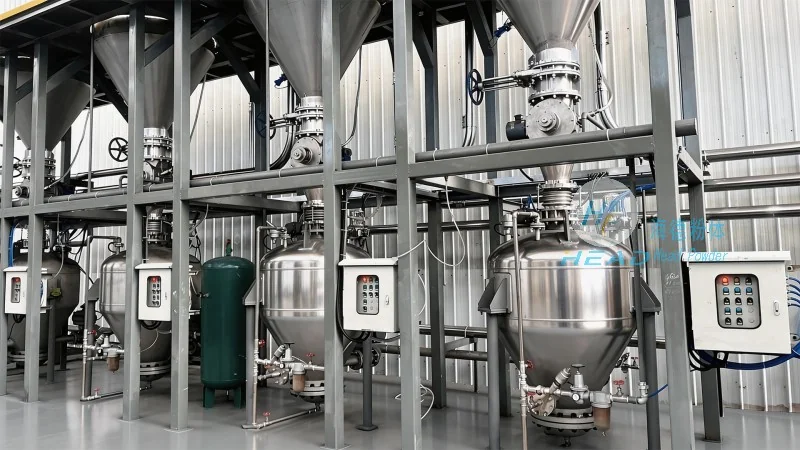
The Working Principle of Silicomanganese Pneumatic Conveying Systems
Silicomanganese pneumatic conveying systems typically consist of several key components, each playing a critical role in the material transport process. The primary components include a material feeder, a conveying line (composed of pipes and fittings), a control system, and a dust collection or filtration unit. The process begins with the material being fed into the system from a storage silo or hopper. The feeder, often a rotary valve or a screw feeder, regulates the flow of silicomanganese into the conveying line. Simultaneously, a fan or blower generates the necessary air pressure or vacuum to move the material through the pipes. As the material travels through the conveying line, it is carried by the air stream, which can be either positive pressure (where air is pushed through the system) or negative pressure (where air is drawn out, creating a vacuum). The choice between positive and negative pressure depends on factors such as the material's properties, the distance to be conveyed, and the system's design.
During the conveying process, the silicomanganese particles are suspended in the air stream, preventing them from settling or clumping together. This suspension is achieved by maintaining an appropriate air velocity, which is typically higher than the terminal velocity of the particles. The air velocity ensures that the particles remain in the air stream until they reach the destination point, such as a mixer or a furnace. At the receiving end, the material is separated from the air using a separator or a cyclone, which allows the silicomanganese to fall into a collection bin or a processing unit. The air, now containing fine dust particles, is then filtered and recycled back into the system or released into the environment, depending on the system's design and regulatory requirements.
Key Advantages of Silicomanganese Pneumatic Conveying
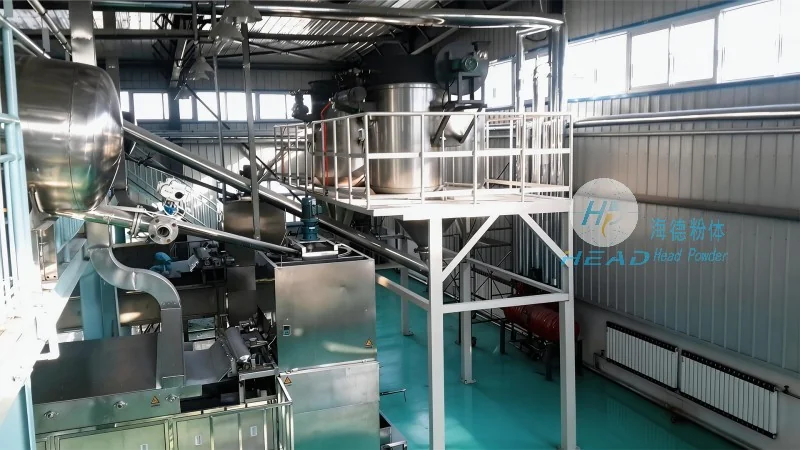
Compared to traditional mechanical conveying methods, silicomanganese pneumatic conveying offers several advantages that make it an attractive choice for many industries. One of the most significant benefits is the ability to transport materials over long distances without the need for intermediate transfer points or equipment. This reduces the risk of material spillage and contamination, as the entire process is contained within a sealed system. Additionally, pneumatic conveying systems are less prone to material degradation, as they minimize contact with external elements and mechanical wear. The system also allows for precise control over the material flow rate, ensuring consistent delivery to downstream processes. Furthermore, the absence of moving parts in the conveying line reduces maintenance requirements and operational downtime, leading to lower long-term costs.
Applications and Industries Served
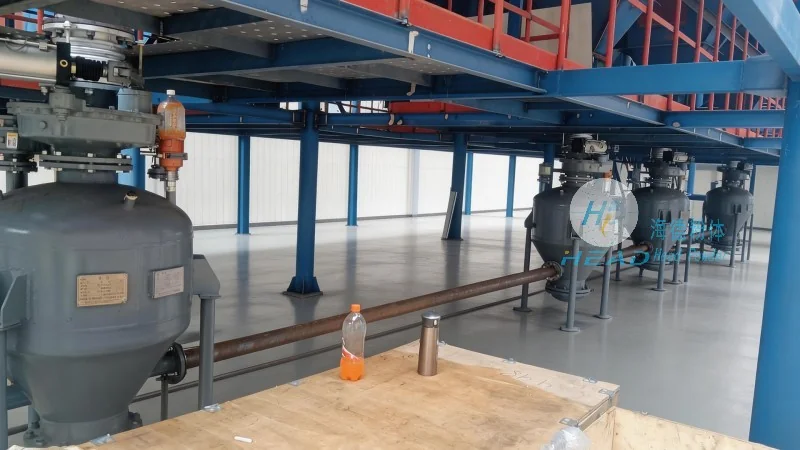
Silicomanganese pneumatic conveying systems are widely used in various industries that require the handling of bulk powders. In the metallurgical industry, these systems are essential for transporting silicomanganese to steelmaking furnaces, where it is used to adjust the chemical composition of the steel. The food and chemical industries also benefit from this technology, as it enables the safe and hygienic transport of powders such as food additives, chemicals, and pharmaceuticals. The versatility of pneumatic conveying makes it suitable for a wide range of applications, from small-scale laboratory operations to large-scale industrial production lines.
Conclusion
Silicomanganese pneumatic conveying is a sophisticated and efficient method of transporting bulk materials, offering numerous benefits over traditional mechanical systems. By leveraging the principles of air movement, these systems provide a reliable and cost-effective solution for industries dealing with silicomanganese and other powders. Shandong HeadPowder Engineering Co., Ltd. continues to innovate and improve its pneumatic conveying technologies, ensuring that clients receive tailored solutions that meet their specific operational needs. With its expertise and commitment to quality, HeadPowder remains a leading provider of advanced powder handling systems, helping businesses enhance their productivity and operational efficiency.




