Graphite is a widely used material in various industrial applications due to its excellent electrical conductivity, thermal stability, and lubricating properties. When handling graphite powder or granules, efficient and reliable material transport is crucial. Pneumatic conveying systems offer a sophisticated solution for moving graphite materials from one location to another, ensuring minimal contamination and optimal process control.
Understanding Pneumatic Conveying Systems
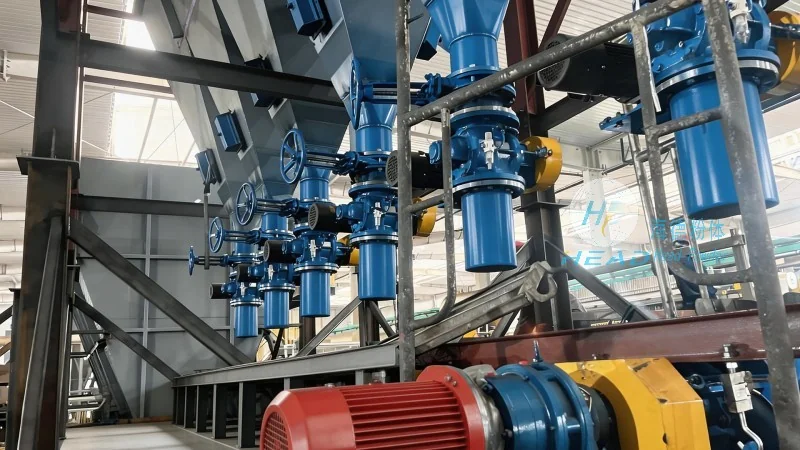
Pneumatic conveying systems utilize air or other gases to transport bulk materials like graphite through a pipeline network. The process involves creating a pressure differential or using vacuum to move the material. There are two main types of pneumatic conveying: pressure and vacuum systems. Pressure systems use compressed air to push material through the line, while vacuum systems use a vacuum to pull material from the source. For graphite, which can be abrasive and sensitive to contamination, a well-designed system is essential to maintain material integrity and system efficiency.
Key Components of a Graphite Pneumatic Conveying System
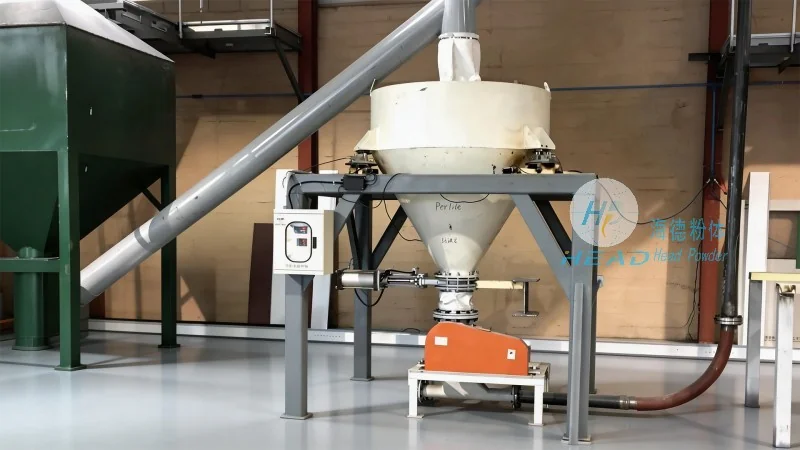
A typical graphite pneumatic conveying system consists of several key components that work together to ensure smooth operation. These include the material feed hopper, which holds the graphite and controls the flow rate; the conveyor line, which is typically made of corrosion-resistant materials like stainless steel or special plastics to prevent contamination; the air compressor or vacuum pump, which provides the necessary pressure or vacuum; and the control system, which monitors and adjusts the flow rate and pressure to maintain optimal performance. Each component is carefully selected to handle the unique properties of graphite, ensuring that the material is transported without degradation or loss.
Working Principle of Pneumatic Conveying for Graphite
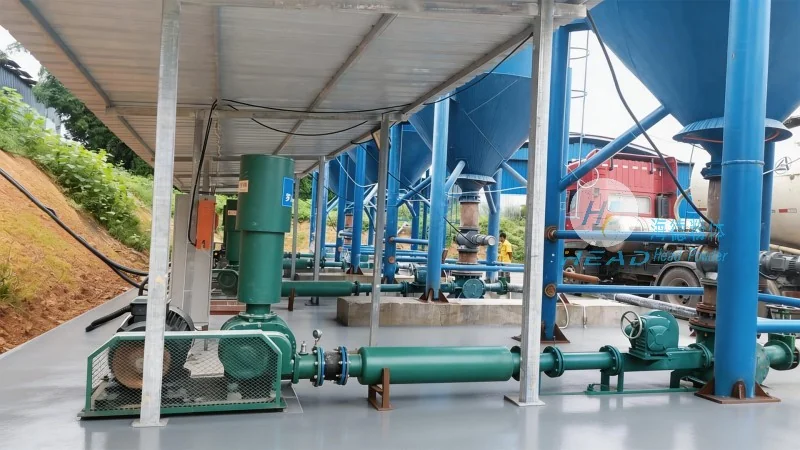
The working principle of a pneumatic conveying system for graphite involves several steps. First, the graphite material is fed into the hopper. Then, the air compressor or vacuum pump creates a pressure or vacuum in the conveyor line. The material is then entrained by the moving air and carried through the pipeline to the destination. The system can be designed as a dilute-phase or dense-phase system, depending on the material's characteristics and the required transport distance. Dilute-phase systems are suitable for short distances and low material loads, while dense-phase systems are used for longer distances and higher material loads, ensuring more efficient and reliable transport.
Benefits of Using Pneumatic Conveying for Graphite Handling
Implementing a pneumatic conveying system for graphite offers numerous benefits. First, it provides a clean and hygienic method of material transport, as the system is enclosed and prevents contamination from external sources. This is particularly important for graphite, which is often used in food, pharmaceutical, and electronic industries where purity is critical. Second, pneumatic conveying systems are highly efficient, as they can transport large quantities of material with minimal energy consumption. Third, the system is flexible and can be easily integrated into existing production lines, allowing for seamless material transfer. Additionally, the system reduces labor costs and improves safety by eliminating the need for manual handling of bulk materials.
About Shandong HeadPowder Engineering Co., Ltd.
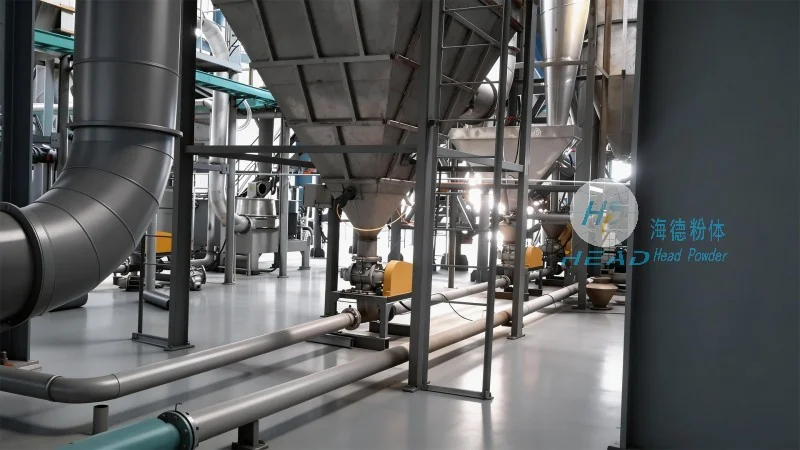
Shandong HeadPowder Engineering Co., Ltd., operating under the brand name headpowder, is a leading provider of advanced material handling solutions, including pneumatic conveying systems for graphite and other industrial materials. With a focus on innovation and quality, the company has developed state-of-the-art systems that meet the highest industry standards. HeadPowder's expertise lies in designing and manufacturing customized solutions tailored to the specific needs of each client, ensuring optimal performance and reliability. The company's facilities are located in Shandong, China, where it leverages local resources and expertise to deliver top-tier products and services to customers worldwide.




