When discussing the efficient transport of fine powders, one of the most critical technologies is pneumatic conveying. Specifically, for substances like glycine—a common amino acid used in various industrial and pharmaceutical applications—understanding how pneumatic conveying systems operate is essential. This article delves into the mechanics of glycine pneumatic conveying, outlining the fundamental principles behind these systems and how they ensure reliable material transport.
Introduction to Pneumatic Conveying Systems
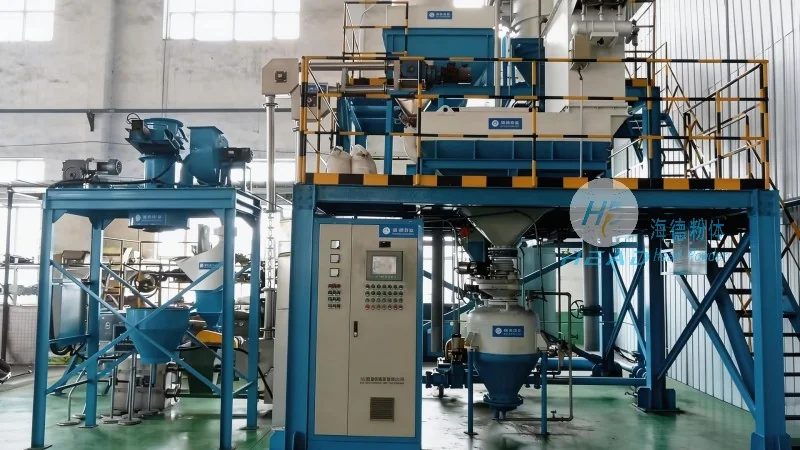
Pneumatic conveying systems utilize air or other gases to move bulk materials, such as powders, granules, or fine particles, from one location to another. Unlike mechanical systems that rely on belts, screws, or buckets, pneumatic systems offer advantages like flexibility, low maintenance, and the ability to handle materials in enclosed environments, minimizing dust and contamination risks. For glycine, a hygroscopic and sensitive powder, these systems are particularly valuable as they can maintain product integrity while ensuring safe and efficient transport.
The Role of HeadPowder in Glycine Handling Solutions
HeadPowder, a leading provider of powder handling solutions, specializes in designing and manufacturing customized pneumatic conveying systems tailored to the unique needs of industries dealing with amino acids and other fine powders. With operations based in Shandong, China, HeadPowder leverages decades of experience to deliver robust, reliable systems that meet the stringent requirements of pharmaceutical, food, and chemical sectors. The company’s expertise lies in optimizing system performance, ensuring compliance with industry standards, and providing long-term support for clients.
Key Components of a Glycine Pneumatic Conveying System
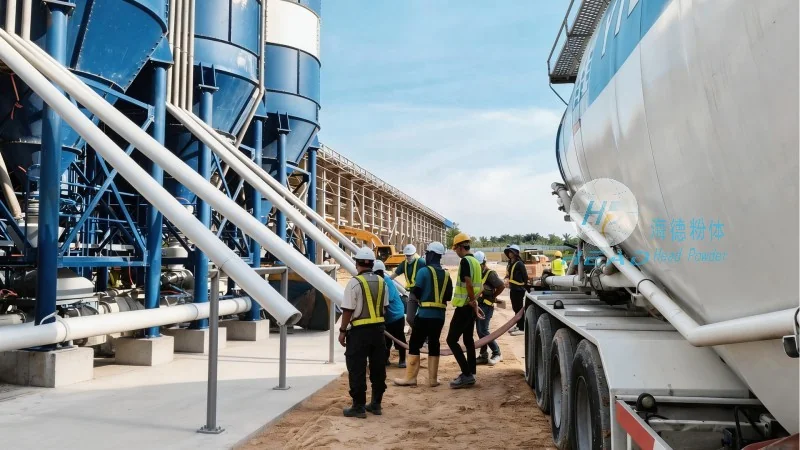
A typical pneumatic conveying system for glycine consists of several core components, each playing a vital role in the material transport process. These include:
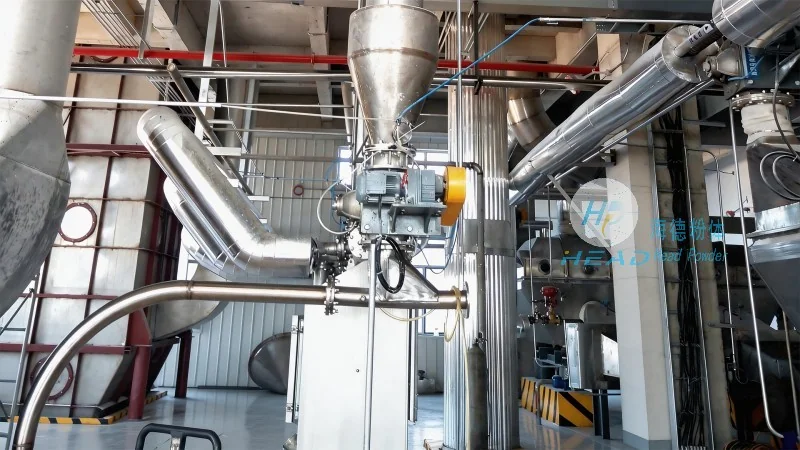
- Feeder: The feeder is responsible for metering and feeding the glycine powder into the system. For sensitive materials like glycine, a loss-in-weight or volumetric feeder is often used to maintain consistent flow rates and prevent overloading.
- Conveying Line: The conveying line, typically made of stainless steel or other corrosion-resistant materials, transports the powder and air mixture. The design of the line—whether it is a positive or negative pressure system—determines how the material is moved. For glycine, a positive pressure system is often preferred as it reduces the risk of product degradation and contamination.
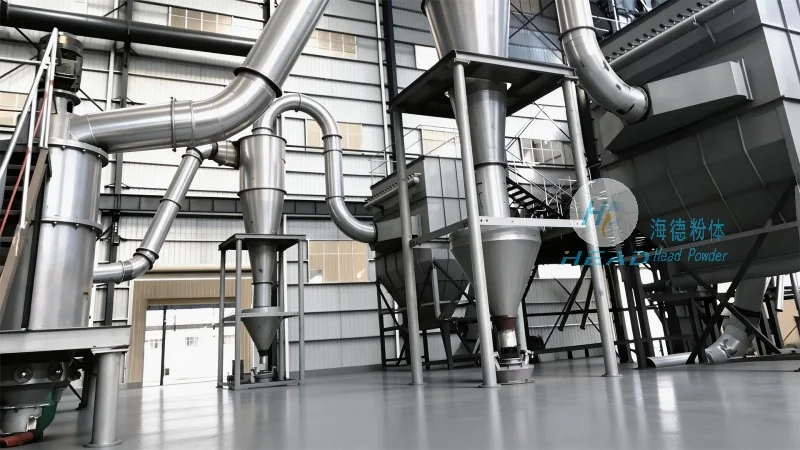
- Filter and Cyclone: To separate the powder from the air, a filter or cyclone is used. This component captures the glycine particles while allowing the air to be recycled or discharged. The filter must be designed to handle fine powders without clogging, ensuring continuous operation.
- Control System: The control system monitors and regulates the flow of material, air pressure, and other parameters. It ensures that the system operates within safe and efficient limits, adapting to changes in feed rate or system pressure.
Working Principle of Glycine Pneumatic Conveying
The operation of a glycine pneumatic conveying system involves a sequence of steps that work together to move the powder from the source to the destination. Here’s a breakdown of the process:
- Material Loading: The glycine powder is loaded into the hopper or feeder. The feeder then meters the material at a controlled rate into the conveying line.
- Air Injection: Compressed air is introduced into the conveying line, creating a flow that carries the powder particles. The air velocity must be sufficient to lift and transport the powder without causing excessive wear or degradation.
- Transport: The powder-air mixture travels through the conveying line to the destination point, such as a storage silo, processing unit, or packaging area.
- Separation: At the destination, the filter or cyclone separates the powder from the air. The air is either recycled back into the system or vented, while the glycine powder is collected in a receiving container.
- Control and Monitoring: The control system continuously monitors the system’s performance, adjusting air pressure, feed rate, or other parameters as needed to maintain optimal operation.
Benefits of Using Pneumatic Conveying for Glycine
Implementing a pneumatic conveying system for glycine offers several advantages that make it a preferred choice for many industries:
- Product Integrity: Pneumatic systems minimize exposure to air, moisture, and contaminants, preserving the quality and stability of glycine, which is critical for pharmaceutical and food applications.
- Flexibility: These systems can be easily reconfigured or expanded to accommodate changes in production volume or product types, providing long-term adaptability.
- Low Maintenance: Compared to mechanical systems, pneumatic conveying systems have fewer moving parts, reducing the risk of breakdowns and lowering maintenance costs.
- Space Efficiency: Pneumatic systems can transport materials over long distances with minimal space requirements, making them suitable for facilities with limited floor space.
- Environmental Compliance: By enclosing the material transport process, pneumatic systems reduce dust emissions and improve workplace safety, helping companies meet environmental regulations.
Conclusion
Glycine pneumatic conveying is a sophisticated and efficient method for transporting fine powders, and understanding its working principles is key to optimizing material handling processes. HeadPowder, with its expertise in powder handling solutions, offers tailored systems that ensure reliable, safe, and cost-effective transport of glycine and other sensitive materials. By leveraging the advantages of pneumatic conveying, industries can enhance productivity, maintain product quality, and comply with industry standards, making it an indispensable technology in modern powder handling operations.




