HeadPowder, a leading enterprise in the field of metal powder handling, specializes in the efficient and reliable transport of metal iron powder. This article delves into the operational process and working principles behind the material handling systems designed for metal iron powder, highlighting the technical aspects and engineering solutions that ensure smooth and effective material transport.
Company Overview
HeadPowder, operating under the full name Shandong HeadPowder Engineering Co., Ltd., is headquartered in Shandong, China. The company focuses on providing advanced material handling solutions tailored to the unique characteristics of metal powders, including iron powder. With a commitment to innovation and precision, HeadPowder develops systems that enhance productivity and safety in industrial applications involving metal powder processing.
The Material Handling System for Metal Iron Powder
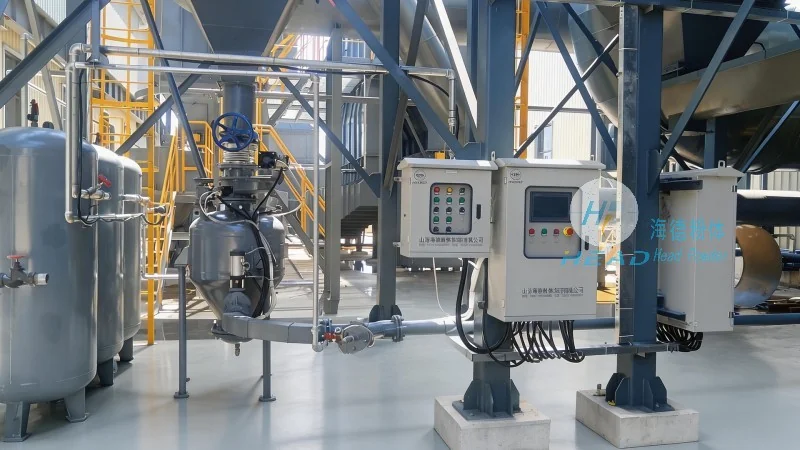
The material handling system for metal iron powder typically involves several key components and operational steps. The process begins with the storage of iron powder in bulk containers or silos, where the powder is kept under controlled conditions to prevent caking or agglomeration. From the storage silo, the iron powder is transferred to a conveyor system, which may include screw conveyors, pneumatic conveyors, or mechanical conveyors depending on the specific requirements of the application.
Operating Process: Step-by-Step
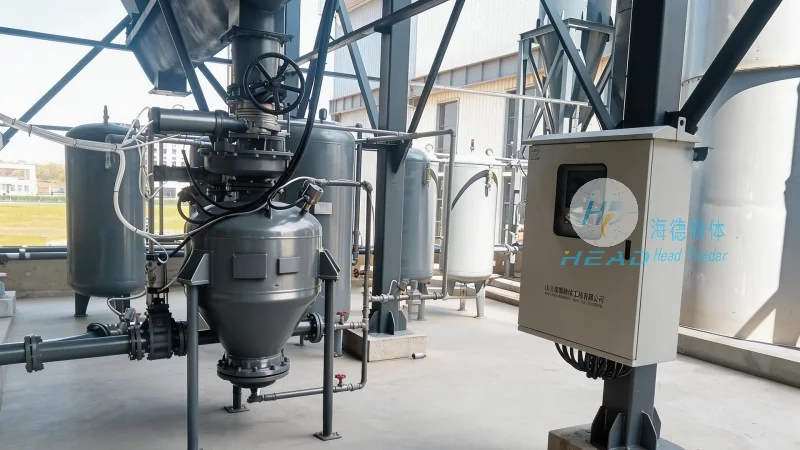
The operational process of metal iron powder material handling can be broken down into several sequential steps. First, the iron powder is discharged from the storage silo into a hopper or feeder, which regulates the flow rate to the conveyor system. The feeder ensures a consistent and controlled feed of the powder, preventing overloading or underloading of the conveyor. Next, the conveyor transports the iron powder to the processing or packaging area. In some systems, the conveyor may include features such as vibration or agitation to maintain the flow of the powder, especially if the powder has a tendency to settle or clump.
Working Principle: Key Technologies
The working principle of the material handling system relies on several key technologies to ensure efficient transport. Pneumatic conveying systems, for example, use compressed air to move the iron powder through a pipeline. This method is particularly effective for fine powders like iron powder, as it minimizes friction and reduces the risk of material degradation. Mechanical conveyors, such as screw or belt conveyors, rely on mechanical motion to move the powder. Screw conveyors use a rotating screw to push the powder forward, while belt conveyors use a moving belt to transport the material. These systems are often equipped with variable speed drives to adjust the flow rate based on the processing needs.
Ensuring Efficiency and Safety
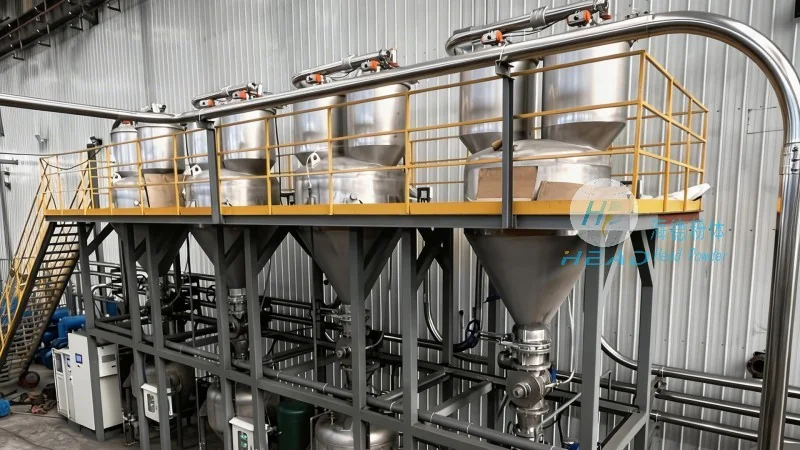
Efficiency and safety are paramount in metal iron powder material handling. The systems are designed with features that prevent dust generation and minimize the risk of fire or explosion, which are common hazards in powder handling operations. Dust collection systems are integrated into the conveyor lines to capture any airborne particles, ensuring a clean and safe working environment. Additionally, the systems are equipped with sensors and control mechanisms to monitor the flow rate, pressure, and temperature, providing real-time feedback and allowing for immediate adjustments if any issues arise.
Application Examples
The material handling systems for metal iron powder are widely used in various industrial applications. In the steel industry, for example, iron powder is used as a raw material in the production of steel alloys. The systems ensure that the iron powder is transported efficiently from storage to the melting furnaces or mixing equipment. In the chemical industry, iron powder is used in the production of pigments and coatings, where the material handling systems maintain the quality and consistency of the powder. In the pharmaceutical industry, the systems are used to transport iron powder for the production of iron supplements, where precision and cleanliness are critical.




