For industrial applications that require the efficient and reliable transport of flocculant dry powders, understanding the mechanics of pneumatic conveying systems is crucial. This article provides an in-depth look at how these systems operate, focusing on the principles that enable the safe and effective movement of dry powders like flocculants. The discussion will cover the fundamental components, the operational processes, and the benefits of using such systems in industrial settings.
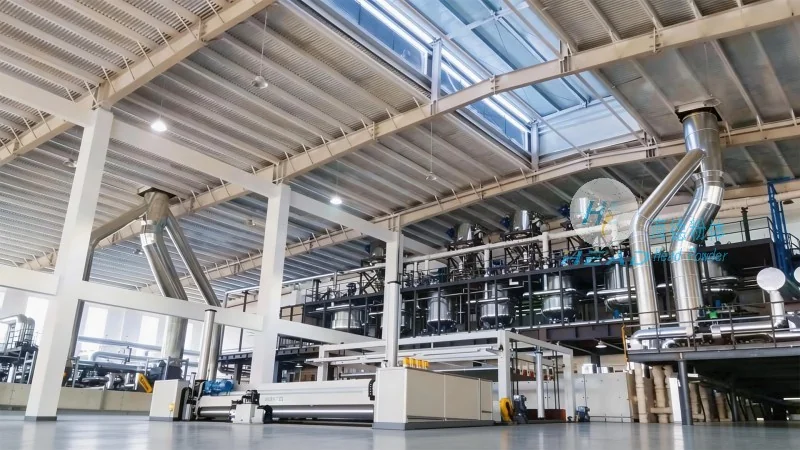
Understanding Pneumatic Conveying Systems for Flocculant Dry Powders
Pneumatic conveying systems are a critical technology in the handling of dry powders, including flocculants, which are often used in water treatment, mineral processing, and other industrial processes. These systems utilize air or gas to transport dry materials through a pipeline from a source to a destination. The process involves several key components that work in tandem to ensure efficient material transfer.
Key Components of a Pneumatic Conveying System
The core components of a pneumatic conveying system for flocculant dry powders typically include a hopper or feeder for material storage and discharge, a conveying line (pipeline) where the material is transported, a blower or compressor to generate the air flow, and a receiver or discharge unit where the material is deposited. In some systems, additional components such as cyclones, filters, or vacuum pumps may be included to manage dust and ensure clean operation.
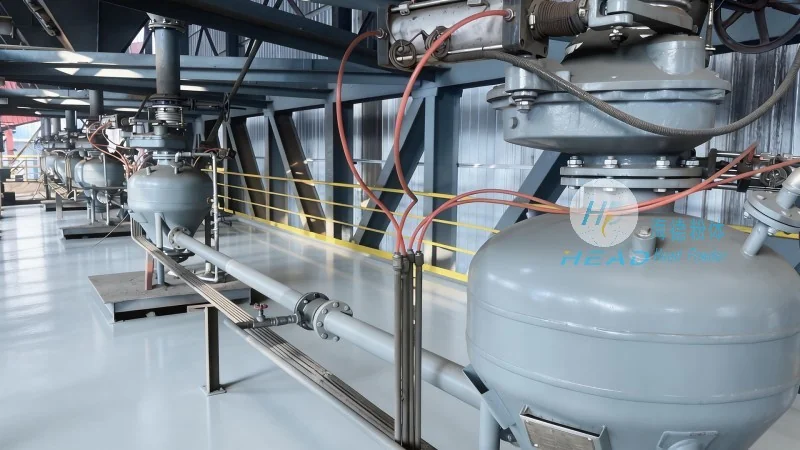
Working Principle of Pneumatic Conveying
The operation of a pneumatic conveying system for flocculant dry powders begins with the material being fed from the hopper into the conveying line. The blower or compressor then generates a flow of air or gas, which creates a pressure differential within the pipeline. This differential causes the flocculant powder to be entrained by the air stream and carried through the pipeline to the receiver. The velocity of the air flow is carefully controlled to ensure that the powder particles are suspended and transported without clogging or degradation. The system may operate under positive pressure (where air is forced into the line) or negative pressure (where air is drawn out), depending on the specific requirements of the application.
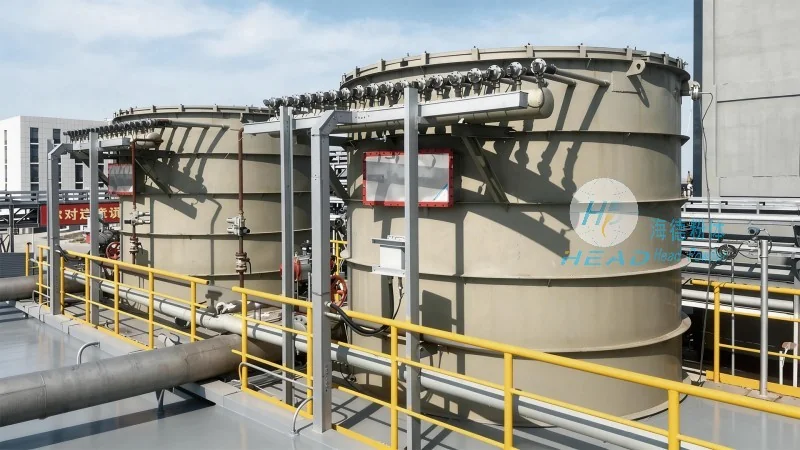
Benefits of Using Pneumatic Conveying for Flocculant Dry Powders
Implementing a pneumatic conveying system for flocculant dry powders offers several advantages over traditional methods like belt conveyors or manual handling. These benefits include improved safety by reducing the risk of dust exposure and handling hazards, enhanced efficiency through continuous and automated material transport, and reduced maintenance costs due to fewer moving parts compared to mechanical conveyors. Additionally, pneumatic systems can handle a wide range of powder properties, including varying particle sizes and moisture content, making them versatile for different industrial applications.
Applications in Industrial Settings
Flocculant dry powders are commonly used in industries such as water treatment, where they help in clarifying water by aggregating suspended particles. In mineral processing, flocculants are used to separate valuable minerals from waste. The pneumatic conveying of these powders is essential for maintaining consistent quality and efficiency in these processes. Companies like Shandong HeadPowder Engineering Co., Ltd., based in China, specialize in designing and manufacturing customized pneumatic conveying systems tailored to the specific needs of their clients, ensuring optimal performance and reliability in material handling.




