Plunger-type material handling systems represent advanced industrial solutions engineered to efficiently transport bulk materials across diverse manufacturing and processing applications. These systems are widely recognized for their precision, reliability, and capacity to handle a broad spectrum of materials, including powders, granules, and small particulate substances. The operation of such systems involves a series of coordinated steps that ensure smooth and continuous material flow, making them indispensable in sectors like pharmaceuticals, food processing, and chemical manufacturing.
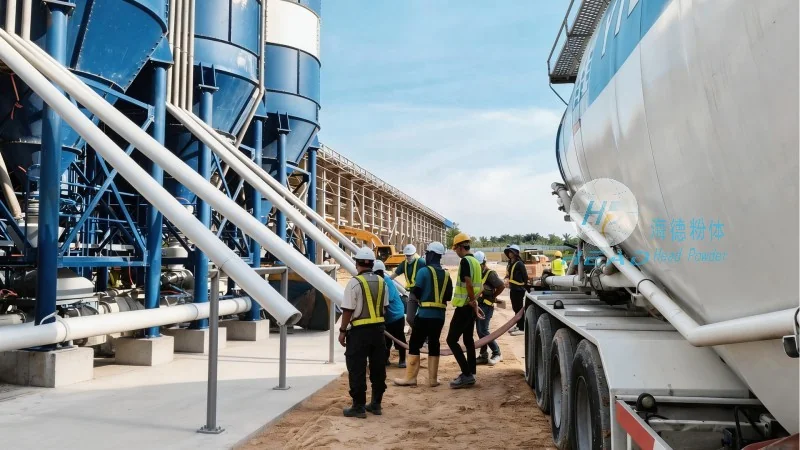
Core Components and Structural Design of Plunger-Type Systems
The fundamental architecture of a plunger-type material handling system comprises several critical components that collaborate to achieve efficient material transport. Key elements typically include a hopper for material storage, a plunger mechanism (often a piston or sliding valve) that regulates material flow, a conveyor or pipeline system for transporting material to its destination, and a control system that governs the plunger and other operational aspects. The system's design is tailored to the specific characteristics of the material being handled—such as particle size, density, and flowability—to ensure optimal performance and minimize downtime. This modular approach allows for customization to meet the unique demands of different industrial processes.
Step-by-Step Operation Process of Plunger-Type Systems
The operation process of a plunger-type material handling system initiates with material loading into the hopper. The material is then fed into the plunger chamber via a feeding mechanism, which may incorporate a screw feeder or rotary valve. The plunger, driven by a hydraulic or pneumatic system, moves back and forth to generate a pressure differential that forces material through the pipeline. The plunger's stroke length and frequency are adjustable, enabling operators to control the flow rate. This controlled flow ensures consistent material transport, preventing overloading or underloading of downstream equipment. The system typically integrates sensors and feedback mechanisms to monitor hopper material levels and adjust plunger operation dynamically, maintaining a stable and continuous flow. This closed-loop control enhances system efficiency and reduces operational disruptions.
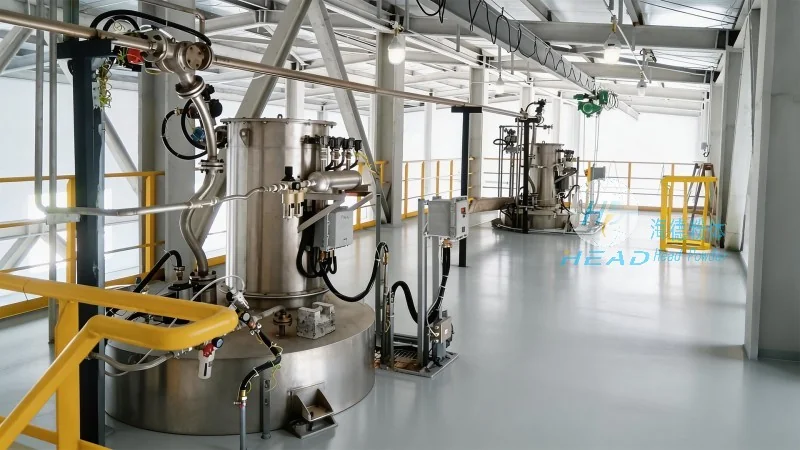
Working Principle Behind Plunger-Type Material Handling Systems
The working principle of plunger-type material handling systems is rooted in the concept of pressure differentials and controlled displacement. The plunger functions as a valve that opens and closes to regulate material flow. When the plunger advances, it creates a high-pressure zone that propels material forward through the pipeline. As the plunger retracts, it establishes a low-pressure zone that draws material from the hopper into the plunger chamber. This cyclic motion results in a pulsating material flow, which is subsequently smoothed by the pipeline and downstream equipment to achieve a steady output. The system's control system optimizes plunger operation by adjusting frequency and stroke length based on material properties, maximizing efficiency and minimizing energy consumption. The plunger-type design also offers precise flow control, making it ideal for applications requiring exact dosing or metering, such as in pharmaceutical manufacturing or food processing.
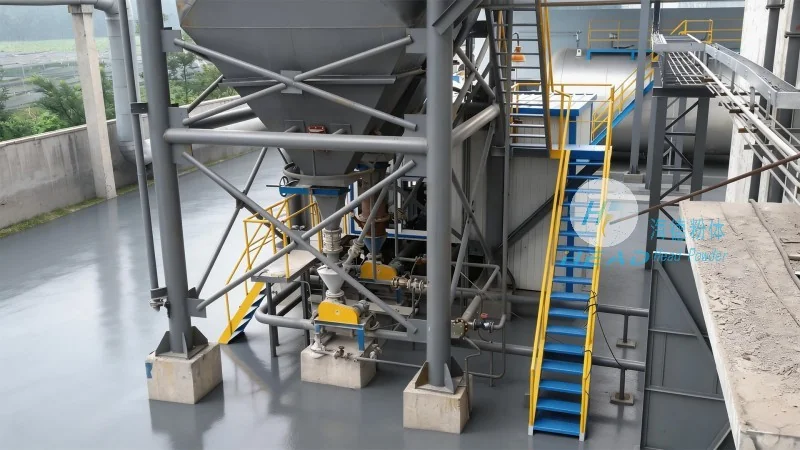
Advantages and Practical Applications of Plunger-Type Systems
Plunger-type material handling systems provide several advantages over conventional conveyor systems, positioning them as a preferred choice in numerous industrial applications. A primary advantage is their ability to handle materials with poor flowability or high moisture content—substances that often clog or adhere to surfaces in other systems. The system's design facilitates the transport of such challenging materials, expanding its applicability. Another key benefit is the high level of control over material flow, critical for processes demanding precise dosing or metering. This precision is vital in industries like pharmaceuticals, where material consistency directly impacts product quality. The system's reliability and low maintenance requirements further enhance its appeal, as it can operate continuously for extended periods with minimal downtime. Plunger-type systems are commonly employed in pharmaceutical manufacturing for handling powders and granules, food processing for transporting ingredients, and chemical manufacturing for bulk material transport. Their adaptability and efficiency make them a cornerstone of modern industrial material handling.
Company Profile: Shandong HeadPowder Engineering Co., Ltd.
Shandong HeadPowder Engineering Co., Ltd., a leading manufacturer of material handling systems, specializes in the design, development, and production of plunger-type material handling solutions. With decades of industry experience, the company has established a reputation for delivering high-quality, reliable, and efficient systems that cater to diverse client needs. The company's headquarters is located in Shandong, China, and it serves customers globally with its innovative products and exceptional customer service. HeadPowder Engineering Co., Ltd. is committed to providing customized solutions that enhance client productivity and operational efficiency, ensuring that its material handling systems are tailored to specific requirements and applications. The company's focus on research and development ensures that its products remain at the forefront of technological advancements in the material handling sector.




