Coffee processing and handling often require efficient and reliable methods to transport coffee beans or ground coffee from one stage to another. Pneumatic conveying systems have emerged as a crucial technology in the coffee industry, offering a solution that combines efficiency, hygiene, and flexibility. This article provides an overview of coffee pneumatic conveying, detailing the working principles of such systems and highlighting the expertise of Shandong HeadPowder Engineering Co., Ltd., a leading provider in the field.
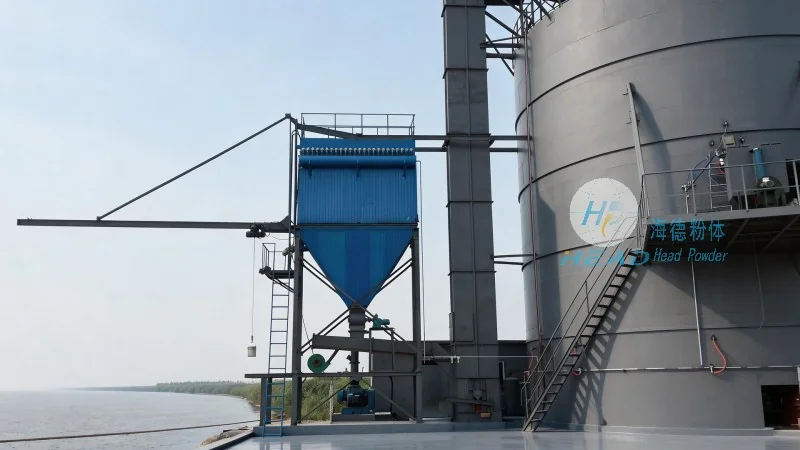
Understanding Pneumatic Conveying Systems
Pneumatic conveying systems utilize air or gas to transport bulk materials like coffee beans or ground coffee through a pipeline network. The core principle involves creating a pressure differential that moves the material along the system. There are two main types of pneumatic conveying: pressure and vacuum systems. Pressure systems operate by forcing air or gas into the pipeline at a higher pressure than the ambient environment, while vacuum systems create a lower pressure within the pipeline to draw material in.
Key Components of a Coffee Pneumatic Conveying System
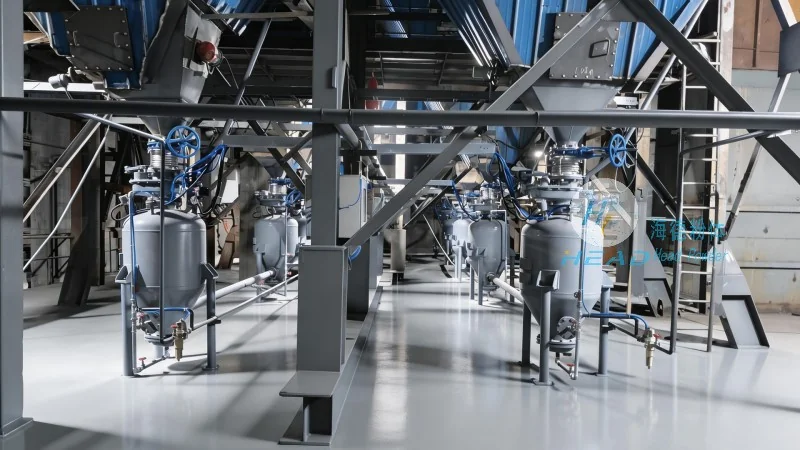
A typical coffee pneumatic conveying system consists of several essential components, each playing a vital role in the overall operation. These components include the material feed hopper, which holds the coffee beans or ground coffee; the conveyor line, which is the pipeline through which the material is transported; the air mover, such as a blower or fan, which provides the necessary air flow; and the control system, which regulates the pressure and flow rates to ensure smooth operation. Additionally, the system may include filters, cyclones, and dust collectors to maintain air quality and prevent material buildup in the pipeline.
Working Principle of Coffee Pneumatic Conveying
The process begins with the coffee material being fed into the hopper. From there, the material is drawn or pushed into the conveyor line by the air mover. The air flow creates a flow of material along the pipeline, with the velocity of the air being carefully controlled to prevent material degradation or blockages. The system is designed to handle various types of coffee products, from raw green beans to roasted and ground coffee, ensuring consistent and efficient transport. The use of pneumatic conveying also allows for the integration of other processing steps, such as blending or packaging, directly into the system, enhancing overall operational efficiency.
Benefits of Using Pneumatic Conveying for Coffee Handling
Implementing a pneumatic conveying system in coffee processing offers numerous advantages. Firstly, it provides a hygienic and enclosed environment, which is critical for maintaining the quality and safety of coffee products. Unlike traditional belt or bucket elevators, pneumatic systems minimize direct contact with the material, reducing the risk of contamination. Secondly, the system offers high flexibility, allowing for easy reconfiguration of the pipeline network to accommodate changes in production processes or facility layouts. Thirdly, pneumatic conveying can significantly reduce labor costs and operational downtime by automating the material transport process. Finally, the technology is energy-efficient compared to other bulk material handling methods, contributing to lower operational costs and a smaller environmental footprint.
About Shandong HeadPowder Engineering Co., Ltd.
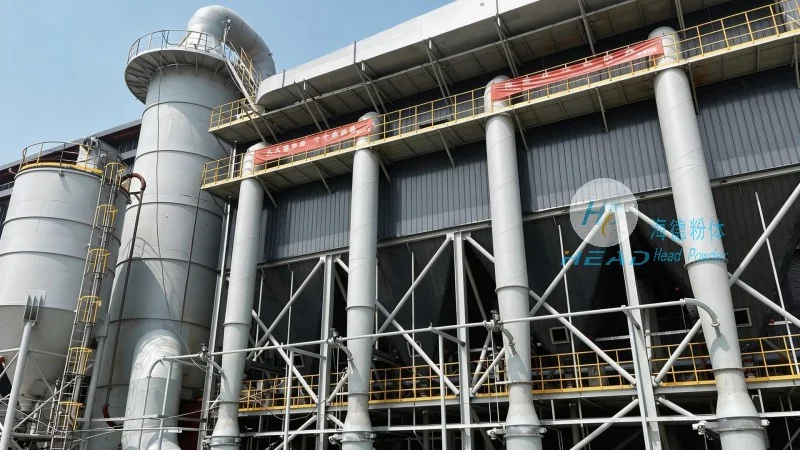
Shandong HeadPowder Engineering Co., Ltd., commonly known as HeadPowder, is a renowned manufacturer and supplier of pneumatic conveying systems, specializing in solutions tailored for the coffee industry. With years of experience and a commitment to innovation, HeadPowder has developed advanced technologies that meet the specific needs of coffee processing facilities. The company's products are designed to ensure high efficiency, reliability, and durability, providing customers with a cost-effective solution for their material handling requirements. HeadPowder's team of experts works closely with clients to understand their unique challenges and provide customized solutions that enhance operational performance and productivity.
Conclusion
Pneumatic conveying systems represent a sophisticated and effective approach to handling coffee materials, offering numerous benefits over traditional methods. By understanding the working principles and key components of such systems, coffee processing facilities can make informed decisions about implementing this technology. With the expertise of companies like Shandong HeadPowder Engineering Co., Ltd., the adoption of efficient pneumatic conveying solutions has become more accessible, enabling coffee producers to enhance their operations and maintain the quality of their products. As the coffee industry continues to evolve, the role of advanced material handling technologies like pneumatic conveying will remain critical in ensuring the efficiency and success of coffee processing operations.




