Baking flour, a critical ingredient in the production of bread, pastries, and other baked goods, requires efficient and hygienic handling to maintain its quality and freshness. Pneumatic conveying systems have emerged as a preferred method for transporting baking flour due to their ability to handle fine powders with minimal product degradation. This article provides an overview of pneumatic conveying technology, focusing on its application in the baking industry, and introduces the expertise of Shandong HeadPowder Engineering Co., Ltd. in designing and implementing effective flour handling solutions.
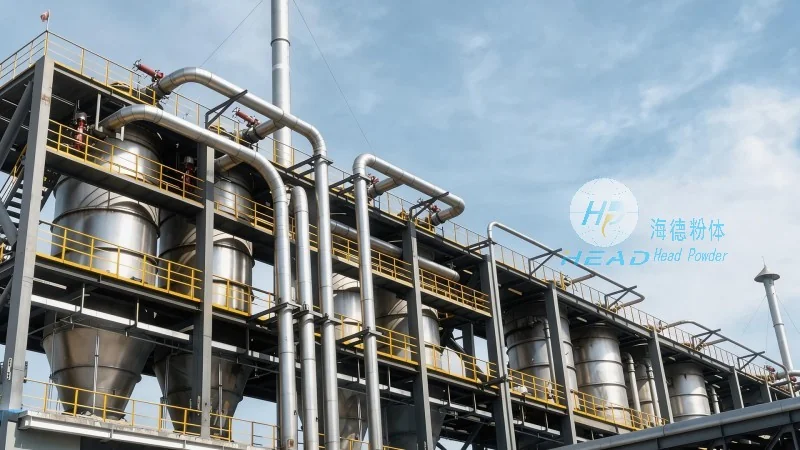
The Working Principle of Pneumatic Conveying
Pneumatic conveying systems operate by using compressed air to transport bulk materials through a network of pipes. In the case of baking flour, the system typically involves a hopper where the flour is stored, a rotary valve or feeder that controls the flow rate, and a series of pipes that transport the flour to the processing or packaging area. The compressed air, often supplied by a blower or compressor, creates a pressure differential that draws the flour particles into the air stream, allowing them to be moved through the system. This method eliminates the need for mechanical components like belts or screws, reducing the risk of contamination and product damage.
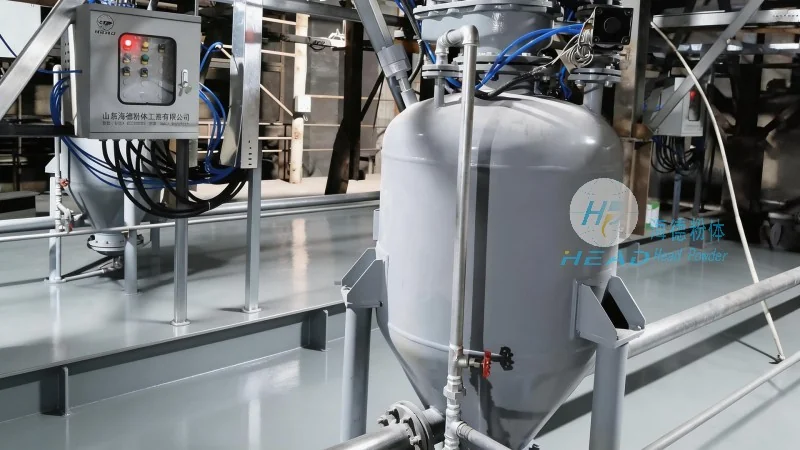
Key Components of a Baking Flour Pneumatic Conveying System
Several key components work together to ensure the efficient and reliable operation of a pneumatic conveying system for baking flour. The first is the hopper, which stores the flour and provides a consistent feed to the system. The hopper is designed with a smooth interior to prevent product buildup and is often equipped with a level indicator to monitor the flour level. The second component is the feeder, which controls the flow rate of the flour into the conveying line. Common types of feeders include rotary valves, star feeders, and screw feeders, each with its own advantages in terms of flow control and material compatibility. The third component is the conveying line, which consists of pipes made from materials such as stainless steel or food-grade plastic to ensure hygiene and durability. The line is typically equipped with bends, elbows, and filters to maintain the flow of air and flour, and to prevent blockages. The final component is the receiver, which collects the flour at the destination point and may include a silo or storage tank for further processing.
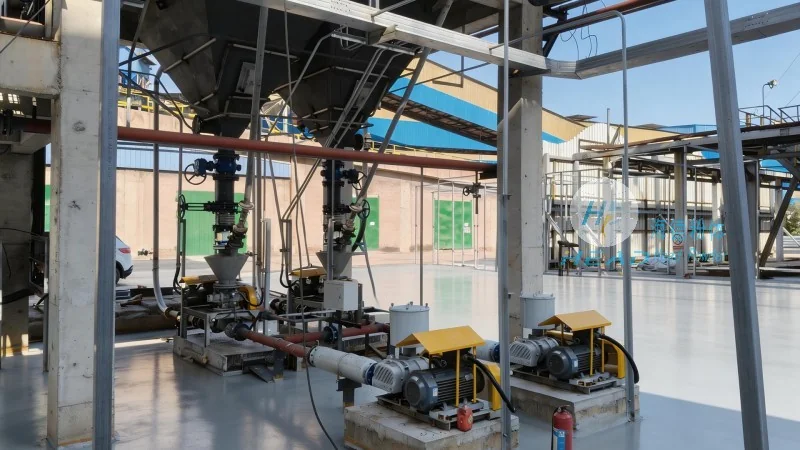
Benefits of Using Pneumatic Conveying for Baking Flour
Implementing a pneumatic conveying system for baking flour offers several advantages over traditional methods such as bucket elevators or belt conveyors. One of the primary benefits is the hygienic nature of the system, as it minimizes direct contact between the flour and mechanical parts, reducing the risk of contamination from bacteria or other contaminants. This is particularly important in food processing facilities where maintaining product safety is paramount. Another advantage is the ability to handle fine powders without causing dust or caking, which can lead to product quality issues. Pneumatic conveying also offers flexibility in system design, allowing for vertical, horizontal, or mixed conveying configurations to suit the specific layout of a facility. Additionally, the system can be integrated with other processing equipment, such as mixers or ovens, to create a seamless production line, improving overall efficiency and reducing labor costs.
HeadPowder's Expertise in Baking Flour Pneumatic Conveying
Shandong HeadPowder Engineering Co., Ltd. is a leading provider of pneumatic conveying solutions tailored to the needs of the baking industry. With years of experience in designing and manufacturing flour handling systems, HeadPowder understands the unique challenges of transporting fine powders like baking flour. The company's engineers work closely with clients to assess their specific requirements, including the volume of flour to be handled, the distance of transport, and the desired level of hygiene. Based on this assessment, HeadPowder designs customized systems that incorporate the latest technology and materials to ensure optimal performance. For example, the company may recommend a positive pressure system for long-distance conveying or a negative pressure system for short-distance, low-volume applications. HeadPowder also provides comprehensive after-sales support, including installation, maintenance, and training, to ensure that clients can operate their systems efficiently and effectively.
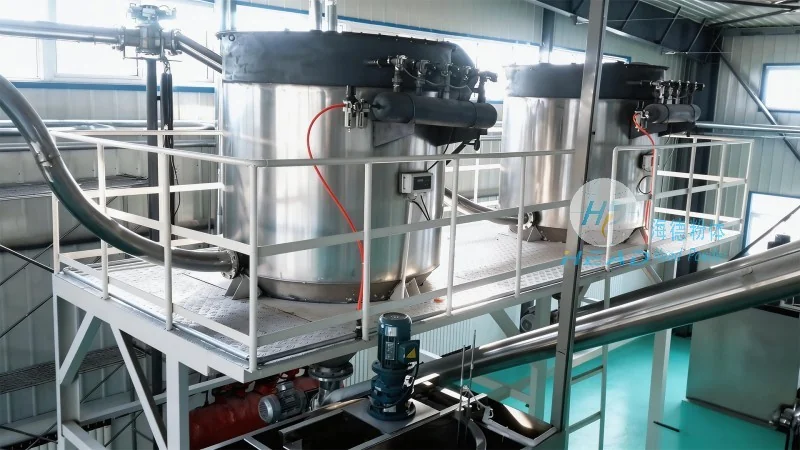
Conclusion: The Future of Baking Flour Handling
As the baking industry continues to evolve, the demand for efficient and hygienic flour handling systems will only increase. Pneumatic conveying systems, with their ability to handle fine powders while maintaining product quality and safety, are well-positioned to meet these needs. Shandong HeadPowder Engineering Co., Ltd. remains at the forefront of this technology, providing innovative solutions that help baking facilities improve their operations and maintain their competitive edge. By investing in a pneumatic conveying system designed by HeadPowder, baking companies can ensure that their flour is handled with the care and precision it deserves, leading to higher quality products and greater customer satisfaction.




