HeadPowder, a leading provider of industrial material handling systems, specializes in the efficient and reliable transport of calcium hydroxide powder. With a focus on precision engineering and robust design, our solutions are tailored to meet the unique demands of processing calcium hydroxide, a key chemical used in various industries such as construction, water treatment, and agriculture. This article explores the operational process and working principles behind our material handling systems, highlighting how they ensure optimal performance and safety in handling this fine powder.
Company Overview: Shandong HeadPowder Engineering Co., Ltd.
HeadPowder is a subsidiary of Shandong HeadPowder Engineering Co., Ltd., a company with deep roots in China's industrial sector. Based in Shandong, China, we leverage decades of experience in chemical processing and material handling to deliver high-quality solutions. Our team of engineers and technicians is dedicated to developing innovative systems that address the challenges of transporting calcium hydroxide powder, ensuring that our clients receive products that are both efficient and durable. The company's commitment to quality and customer satisfaction has made it a trusted name in the industry, serving clients both domestically and internationally.
Understanding Calcium Hydroxide Powder: Properties and Handling Challenges
Calcium hydroxide, commonly known as slaked lime, is a white powder with a fine texture that requires careful handling to prevent caking, dusting, or degradation. Its hygroscopic nature means it can absorb moisture from the air, leading to clumping and reduced flowability. Additionally, the powder is abrasive and can cause wear on equipment if not handled with appropriate materials and designs. These characteristics make the selection of suitable material handling equipment critical for maintaining product quality and operational efficiency. Our systems are designed to mitigate these challenges through features such as sealed containers, low-friction surfaces, and controlled airflow to prevent moisture exposure.
Operational Process of Calcium Hydroxide Powder Material Handling
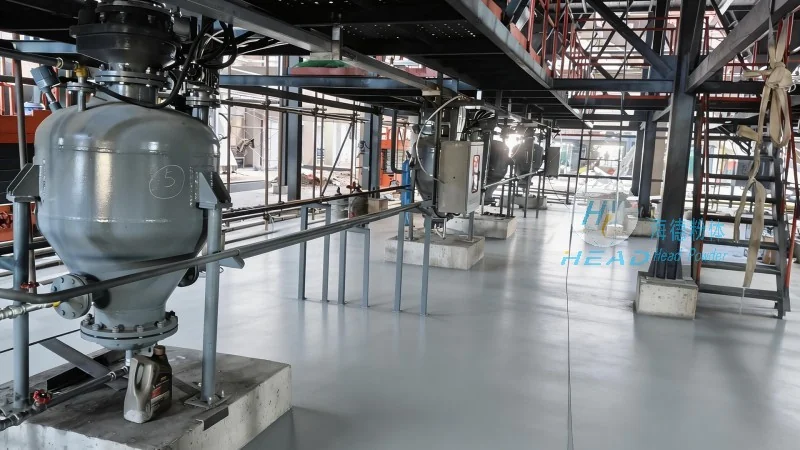
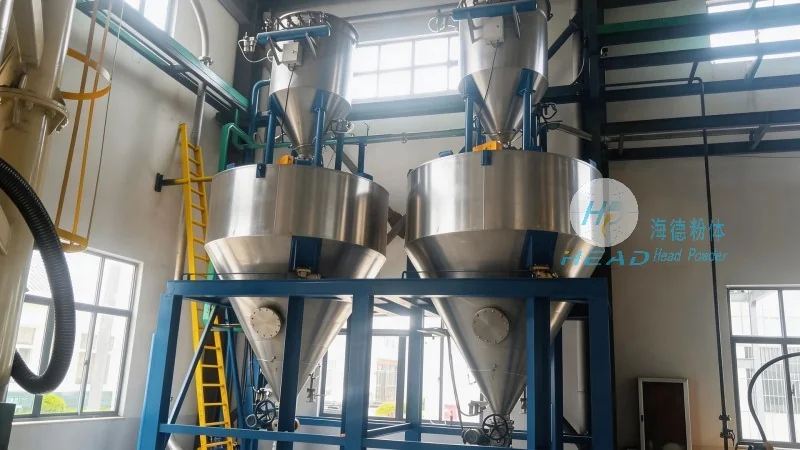
The operational process of handling calcium hydroxide powder involves several key steps, each designed to ensure the safe and efficient transport of the material. The process begins with the storage of the powder in a sealed silo or hopper, which is equipped with a moisture-proof seal to prevent contamination. From the storage vessel, the powder is transferred to a conveyor system, typically a screw conveyor or a pneumatic conveyor, depending on the application. The screw conveyor uses rotating screws to move the powder in a controlled manner, minimizing the risk of clogging and ensuring a steady flow. For larger quantities or longer distances, a pneumatic conveyor system may be employed, which uses compressed air to transport the powder through a pipeline. Both systems are integrated with dust collection and filtration equipment to maintain a clean working environment and comply with safety regulations.
Working Principle of Key Components in Material Handling Systems
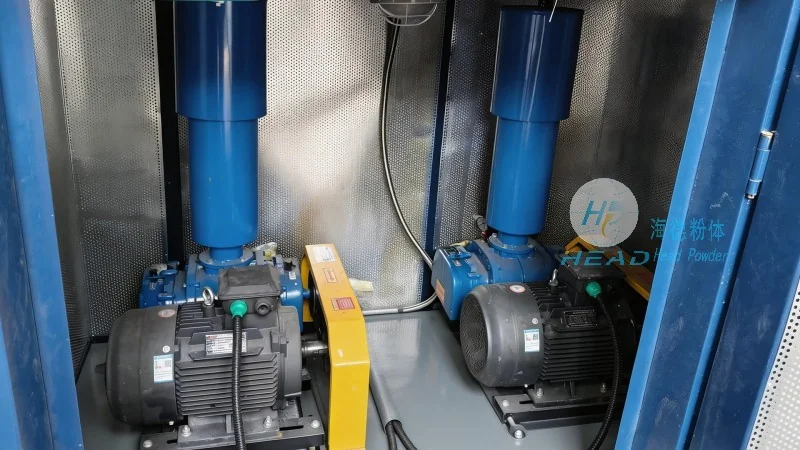
Several components work in tandem to ensure the smooth operation of calcium hydroxide powder handling systems. The storage silo is equipped with a level sensor to monitor the powder level, allowing for automated control of the discharge process. A rotary valve or feeder is used to regulate the flow rate from the silo to the conveyor, ensuring consistent and controlled discharge. The conveyor system itself is designed with materials such as stainless steel or food-grade plastics to resist corrosion and abrasion from the calcium hydroxide powder. For pneumatic systems, the air compressor and filter system are crucial, as they provide clean, dry air to prevent moisture from entering the system and affecting the powder quality. The entire system is typically controlled by a programmable logic controller (PLC), which monitors parameters such as pressure, flow rate, and temperature, and adjusts the operation as needed to maintain optimal performance.
Ensuring Safety and Compliance in Material Handling Operations
Handling calcium hydroxide powder involves strict safety and compliance measures to protect workers and the environment. Our systems are designed with dust suppression features, such as enclosed hoppers and conveyor systems, to minimize the release of fine particles into the air. Personal protective equipment (PPE) such as respirators and gloves is recommended for workers handling the powder, and the systems are equipped with emergency stop buttons and interlocks to prevent accidental exposure. Additionally, the equipment is constructed to meet international safety standards, including those related to explosion-proof designs for pneumatic systems, as calcium hydroxide can be a fire hazard when exposed to high temperatures or open flames. Compliance with local regulations and environmental standards is a top priority for HeadPowder, ensuring that our clients operate within legal and safety frameworks.
Customization and Integration: Tailoring Solutions to Client Needs
HeadPowder understands that each client's operational requirements are unique, and our material handling systems are designed to be customizable. We work closely with clients to assess their specific needs, including the volume of powder to be handled, the distance of transport, and the desired level of automation. Our engineers can design systems that integrate with existing infrastructure or provide standalone solutions, depending on the client's requirements. For example, a client in the construction industry may require a system that connects to a batching plant, while a client in water treatment may need a system that feeds into a dosing unit. The flexibility of our solutions allows us to provide tailored systems that enhance operational efficiency and reduce downtime. Our team provides comprehensive support, from initial design and installation to ongoing maintenance and troubleshooting, ensuring that clients receive a complete solution that meets their long-term needs.




