Light calcium powder, also known as precipitated calcium carbonate (PCC), is a widely used industrial material in various sectors such as plastics, paper, and coatings. The efficient and reliable conveyance of this fine powder is crucial for maintaining production efficiency and product quality. This article provides a detailed overview of the operation process and working principle of light calcium powder material conveying systems, highlighting key components, operational steps, and the importance of proper system design.
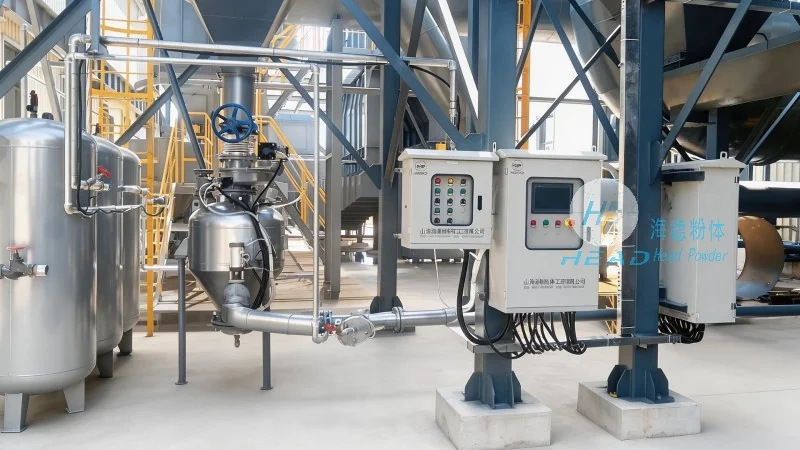
Company Profile and Expertise
HeadPowder, a leading provider in the field, specializes in engineering solutions for material handling and processing. With a strong focus on innovation and customer-centric design, Shandong HeadPowder Engineering Co., Ltd. has established itself as a trusted partner for industries requiring advanced material conveying technologies. The company's expertise lies in developing customized systems that meet the unique demands of light calcium powder applications, ensuring optimal performance and durability.
Key Components of Light Calcium Powder Conveying Systems
The operation of light calcium powder conveying systems involves several critical components that work in tandem to ensure smooth material transport. The primary components include hoppers, feeders, conveyors (such as pneumatic or mechanical systems), and control units. Each component plays a vital role in the overall process, and their proper integration is essential for efficient operation.
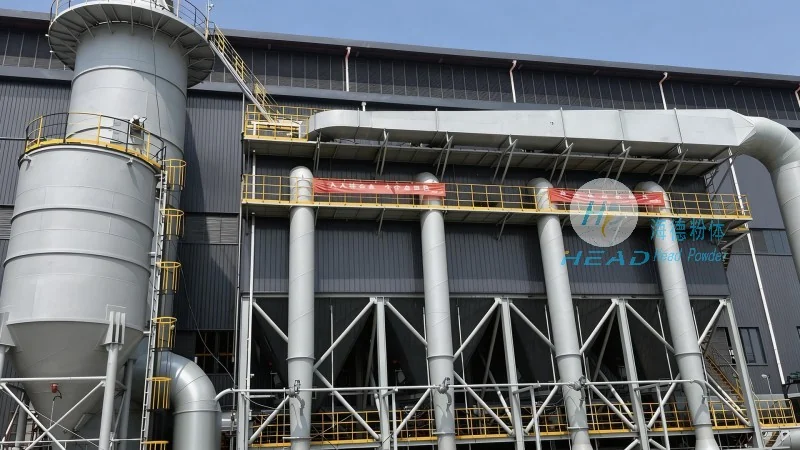
Working Principle of Material Conveying
The working principle of light calcium powder conveying systems is based on the transfer of material from the source to the destination through a controlled flow. In pneumatic conveying systems, for example, the powder is suspended in a stream of air and transported through pipelines. The system typically includes a blower or compressor to generate the necessary air pressure, a hopper to store the powder, and a feeder to control the material flow rate. The control unit monitors and adjusts the system parameters to maintain consistent conveying rates and prevent blockages or overloading.
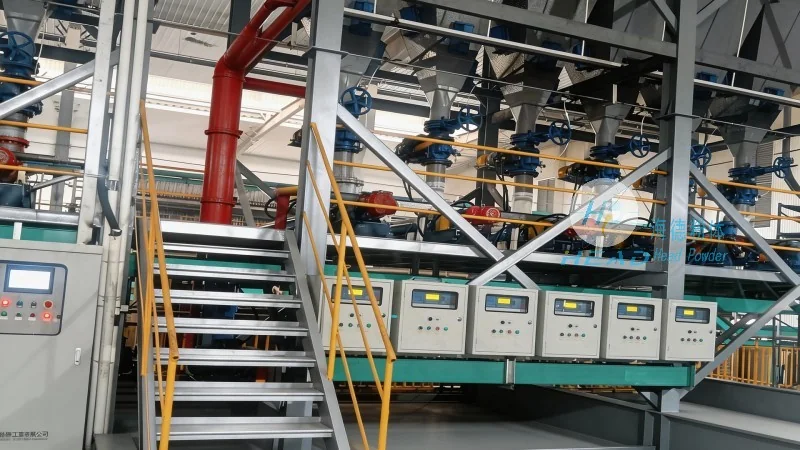
Operation Process: Step-by-Step Guide
The operation process of light calcium powder conveying systems can be broken down into several key steps, each designed to ensure efficient and safe material handling. The following steps outline the typical workflow:
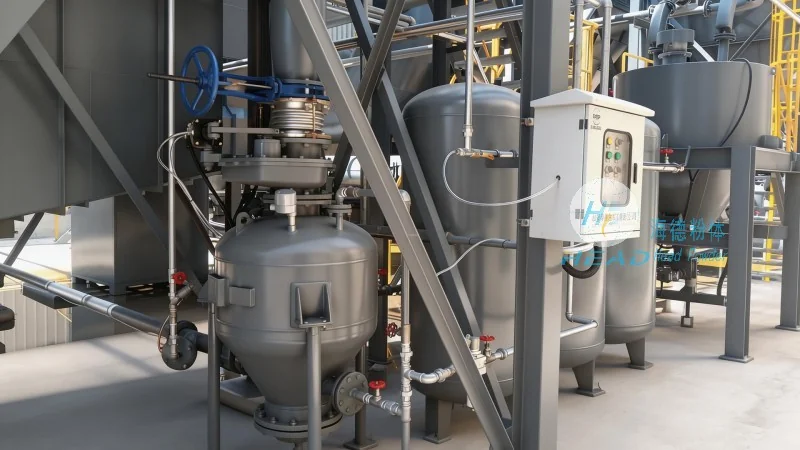
- Material Storage and Preparation: Light calcium powder is stored in a hopper or silo, which is designed to accommodate the bulk material and provide a stable feed. The hopper is equipped with a level indicator to monitor the material level and prevent emptying or overfilling.
- Feeding and Metering: A feeder, such as a rotary valve or screw feeder, is used to control the flow rate of the powder from the hopper. The feeder ensures a consistent and controlled discharge of material, which is crucial for maintaining the conveying system's performance and preventing fluctuations in the material flow.
- Conveying: The material is then conveyed through a pipeline system. In pneumatic systems, the powder is mixed with air and transported under pressure. The pipeline is designed with appropriate diameters and slopes to facilitate smooth flow and prevent material deposition or blockages. The system may include bends, elbows, and expansion joints to accommodate changes in direction and maintain consistent pressure.
- Delivery and Discharge: At the destination, the powder is discharged into a receiving container or processing unit. The discharge point is equipped with a control valve or regulator to regulate the flow and prevent backflow or overpressure. The system may also include a dust collection system to capture any airborne particles and ensure environmental compliance.
- Monitoring and Control: Throughout the operation, the system is monitored by a control unit that tracks parameters such as pressure, flow rate, and material level. The control unit adjusts the system settings in real-time to maintain optimal performance and detect any anomalies or issues that may arise during operation.
Importance of Proper System Design and Maintenance
Proper system design and regular maintenance are critical for the long-term performance and reliability of light calcium powder conveying systems. The design must consider factors such as material properties (e.g., particle size, moisture content), conveying distance, and system capacity to ensure that the system can handle the required material volume efficiently. Regular maintenance, including cleaning of hoppers, pipelines, and control components, is essential to prevent blockages, reduce wear and tear, and maintain system efficiency. Additionally, the use of high-quality materials and components, such as corrosion-resistant pipelines and durable feeders, can extend the system's lifespan and reduce maintenance costs.
Conclusion
Light calcium powder material conveying systems are essential for the efficient handling of this fine industrial material. By understanding the operation process and working principle of these systems, industries can optimize their material handling processes, improve production efficiency, and ensure product quality. HeadPowder, with its expertise in material handling engineering, provides tailored solutions that meet the specific needs of light calcium powder applications, helping clients achieve their operational goals while maintaining safety and environmental standards.




