For industrial applications involving the transport of fine powders like micronized materials, pneumatic conveying systems offer a highly efficient and versatile solution. This overview provides a detailed look at the technology, focusing on the principles and practical aspects of pneumatic conveying for micro-powders. The discussion will cover the fundamental mechanisms, system components, and operational considerations that are crucial for effective material handling in various industrial sectors.
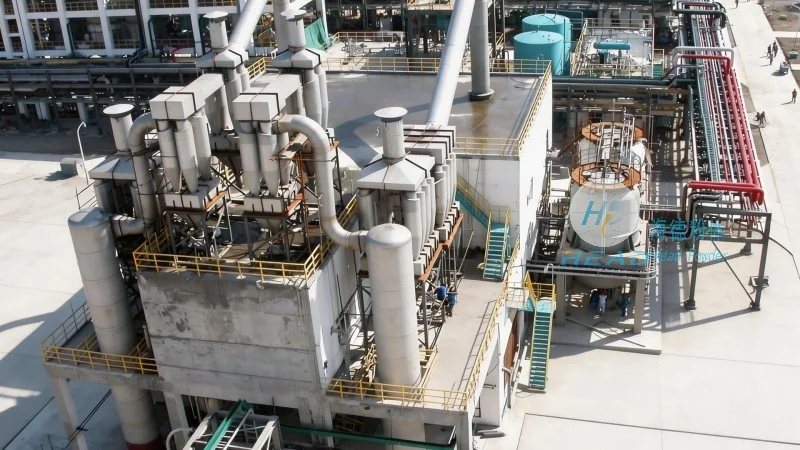
HeadPowder, a leading provider of engineering solutions, specializes in the design, manufacturing, and implementation of pneumatic conveying systems tailored to the unique needs of clients handling fine powders. With a strong presence in Shandong, China, the company leverages decades of experience to deliver reliable and efficient systems that meet stringent industry standards. This article aims to introduce the core concepts of pneumatic conveying, particularly as they apply to the transport of micronized powders, and to highlight the key factors that contribute to successful system performance.
Understanding Pneumatic Conveying Systems
Pneumatic conveying systems utilize air or other gases to transport bulk materials through a pipeline network. The process involves the creation of a flow of air that carries the powder particles, moving them from the source to the destination. There are two primary types of pneumatic conveying: dilute phase and dense phase. Dilute phase systems operate at higher velocities, typically moving particles in a dispersed state, while dense phase systems use lower velocities and higher pressure to move particles in a more concentrated state, often with the aid of pulse or positive displacement methods.
The working principle of a pneumatic conveying system for micronized powders involves several key steps. First, the powder is introduced into the conveying line, often through a hopper or feeder. Then, a fan or blower generates the necessary airflow to move the particles. The air-powder mixture travels through the pipeline, with the velocity and pressure maintained to ensure stable transport. At the receiving end, the powder is separated from the air, typically through a cyclone or filter, and collected in a storage bin or processing equipment. The system's efficiency depends on factors such as the particle size, density, moisture content, and the system's design, including the type of air flow, pipeline layout, and equipment used.
Key Components of a Micronized Powder Pneumatic Conveying System
A typical pneumatic conveying system for micronized powders consists of several essential components that work in concert to achieve reliable material transport. These components include the material feed system, the air supply unit, the conveying pipeline, the control system, and the material separation and collection equipment. Each component plays a critical role in the overall performance and efficiency of the system.
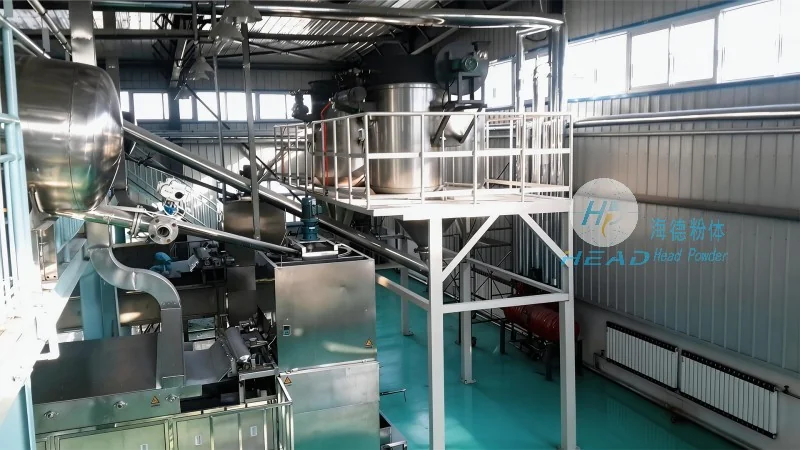
The material feed system is responsible for introducing the micronized powder into the conveying line. This may involve hoppers, feeders, or rotary valves that ensure a consistent and controlled flow of material. The air supply unit, which can be a fan, blower, or compressor, generates the necessary airflow and pressure to move the powder. The conveying pipeline is designed to withstand the pressure and flow conditions, with appropriate materials and dimensions to minimize pressure drop and ensure smooth transport. The control system monitors and regulates the flow of air and material, adjusting parameters as needed to maintain optimal performance. Finally, the material separation and collection equipment, such as cyclones or filters, separate the powder from the air and collect it in a storage or processing container.
Advantages of Pneumatic Conveying for Micronized Powders
There are several advantages to using pneumatic conveying systems for the transport of micronized powders. One of the primary benefits is the ability to handle fine particles that are difficult to transport using traditional methods like belt conveyors or bucket elevators. Pneumatic systems can effectively transport powders with particle sizes as small as a few microns, making them ideal for applications in pharmaceuticals, food processing, and chemical manufacturing. Another advantage is the enclosed nature of the system, which prevents dust emissions and contamination, ensuring product purity and compliance with environmental regulations. Additionally, pneumatic conveying systems can be designed to operate in a clean and hygienic manner, which is crucial for industries where product quality and safety are paramount.
Efficiency is another key advantage of pneumatic conveying. The system can transport materials over long distances with minimal energy consumption compared to other methods. The ability to integrate multiple feeding and receiving points into a single system allows for flexible and scalable operations, adapting to changing production needs. Furthermore, the system's ability to handle varying material characteristics, such as moisture content and particle size distribution, makes it a versatile solution for diverse industrial applications. The reliability and low maintenance requirements of modern pneumatic conveying systems also contribute to their widespread adoption in various industries.
Design Considerations for Micronized Powder Pneumatic Conveying
Designing an effective pneumatic conveying system for micronized powders requires careful consideration of several factors to ensure optimal performance and reliability. The first consideration is the particle characteristics of the material being conveyed. Particle size, density, shape, and moisture content all affect the system's design, as they influence the flow behavior and pressure drop in the pipeline. For example, smaller and lighter particles may require higher air velocities to maintain stable transport, while larger or denser particles may need higher pressure or different conveying methods.
The system layout and pipeline design are also critical. The pipeline should be sized and routed to minimize pressure losses and ensure smooth flow. Elbows, bends, and other fittings should be designed to reduce turbulence and maintain consistent velocity. The use of appropriate materials for the pipeline, such as stainless steel or plastic, is essential to prevent corrosion and material buildup. Additionally, the system should be equipped with proper controls and monitoring devices to ensure safe and efficient operation. This includes pressure sensors, flow meters, and safety valves to prevent overpressure and ensure the system operates within safe limits.
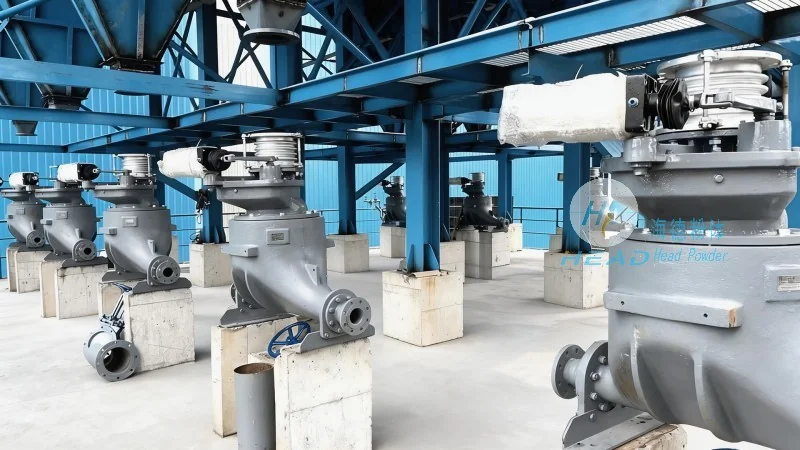
Operational considerations, such as the system's start-up and shutdown procedures, also play a role in its overall performance. Proper start-up procedures, including preheating and air purging, can prevent material bridging and ensure smooth operation. Similarly, proper shutdown procedures, including cleaning and depressurization, help maintain system integrity and prevent contamination. The integration of the system with other processing equipment, such as mixers or reactors, also requires careful planning to ensure seamless material transfer and avoid interruptions in production.
Applications of Micronized Powder Pneumatic Conveying
Micronized powder pneumatic conveying systems are widely used in various industrial sectors due to their versatility and efficiency. In the pharmaceutical industry, these systems are used to transport active pharmaceutical ingredients (APIs) and other fine powders, ensuring product purity and compliance with strict regulatory standards. The enclosed and hygienic nature of the system helps prevent contamination and maintain product quality. In the food processing industry, pneumatic conveying is used to transport ingredients like flour, sugar, and spices, with systems designed to meet food safety and sanitation requirements. The ability to handle moisture-sensitive materials and prevent cross-contamination makes pneumatic conveying an ideal choice for food applications.
In the chemical manufacturing industry, pneumatic conveying systems are used to transport various chemicals, including powders and granules. The system's ability to handle corrosive and hazardous materials, with proper material selection and safety features, makes it suitable for these applications. Additionally, the system's flexibility allows for the transport of different materials in the same pipeline, reducing equipment costs and increasing operational efficiency. In the cement and construction industry, pneumatic conveying is used to transport cement powders and other bulk materials, with systems designed to handle high volumes and long distances. The reliability and efficiency of pneumatic conveying make it a preferred method for these applications.
Conclusion
Micronized powder pneumatic conveying systems offer a highly effective and efficient solution for the transport of fine powders in various industrial applications. The technology, with its enclosed and hygienic design, provides a reliable method for handling materials that are difficult to transport using traditional methods. The key to successful system performance lies in proper design, considering the material characteristics, system layout, and operational considerations. Companies like Shandong HeadPowder Engineering Co., Ltd., with their expertise and experience, can provide tailored solutions that meet the specific needs of clients, ensuring optimal performance and reliability. As industries continue to demand higher efficiency and product quality, pneumatic conveying systems will remain a critical component in material handling processes.




