HeadPowder, a leading provider in the field of material handling solutions, specializes in the design, manufacturing, and implementation of advanced pneumatic conveying systems. This article provides an overview of sulfuric nickel pneumatic conveying, focusing on the fundamental principles and operational aspects of such systems. The company, Shandong HeadPowder Engineering Co., Ltd., is headquartered in Shandong, China, and has extensive experience in delivering customized material transport solutions for various industrial applications.
Understanding Sulfuric Nickel and Its Handling Requirements
Sulfuric nickel is a critical chemical compound widely used in battery manufacturing, electroplating, and other industrial processes. Due to its chemical properties and potential hazards, handling this material requires specialized equipment and systems to ensure safety, efficiency, and compliance with industry standards. Pneumatic conveying offers a highly effective method for transporting sulfuric nickel, as it minimizes direct human contact, reduces dust exposure, and maintains product integrity throughout the process.
The Core Components of a Pneumatic Conveying System
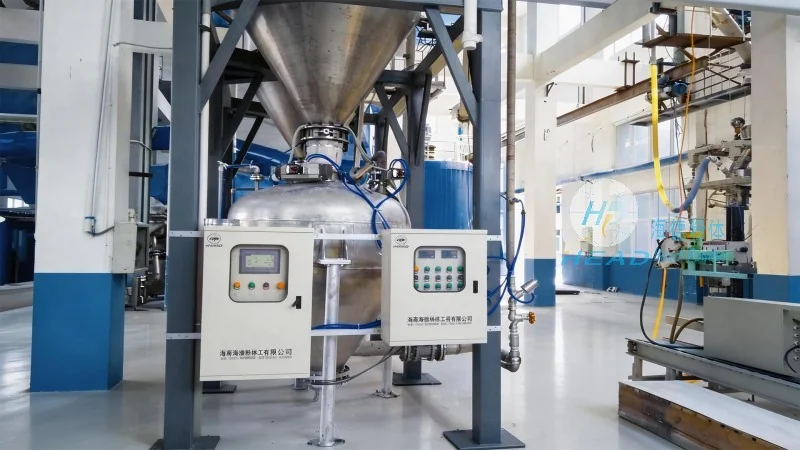
A typical pneumatic conveying system for sulfuric nickel consists of several key components that work in tandem to achieve efficient material transport. These components include a material feeder, a conveying line (either positive or negative pressure), a receiver or destination vessel, and a control system. The material feeder is responsible for introducing the sulfuric nickel into the system, ensuring a consistent flow rate. The conveying line, which can be either a positive pressure system (where air pushes the material) or a negative pressure system (where air pulls the material), is designed to handle the specific characteristics of the material, such as its density, particle size, and moisture content. The receiver is where the material is deposited, and the control system manages the entire operation, including pressure regulation, flow monitoring, and safety interlocks.
Working Principle of Pneumatic Conveying Systems
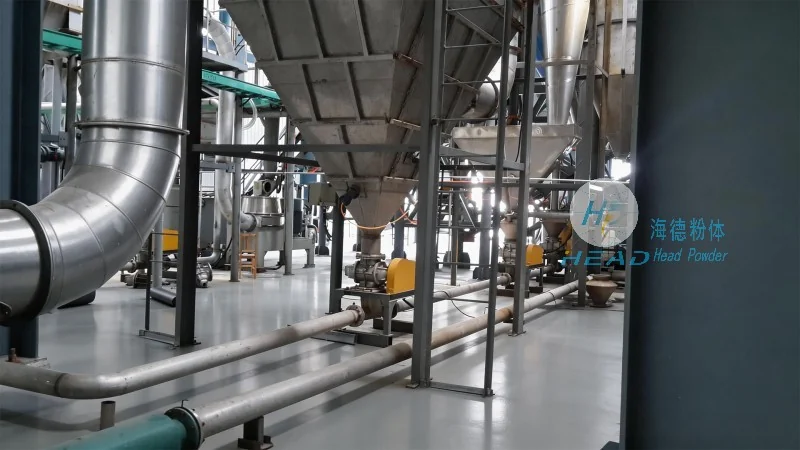
The working principle of a pneumatic conveying system involves the use of air or gas to transport solid materials through a pipeline. In the case of sulfuric nickel, the system operates by creating a flow of air that moves the material particles along the conveying line. Positive pressure systems use a blower or compressor to generate high-pressure air that pushes the material through the pipeline, while negative pressure systems use a vacuum pump to create a low-pressure environment that draws the material into the line. The choice between positive and negative pressure depends on factors such as the distance to be covered, the material's properties, and the desired system efficiency. The system's design must also consider factors like air velocity, pipeline diameter, and the presence of bends or fittings, as these elements can impact the conveying efficiency and prevent material degradation or blockages.
Advantages of Pneumatic Conveying for Sulfuric Nickel
Implementing a pneumatic conveying system for sulfuric nickel offers numerous advantages over traditional methods like bucket elevators or belt conveyors. One of the primary benefits is the ability to handle the material in a closed system, which significantly reduces dust emissions and minimizes the risk of contamination. This is particularly important for sulfuric nickel, as exposure to the material can be hazardous to human health. Additionally, pneumatic conveying systems provide high levels of flexibility, allowing for easy integration with existing production lines and the ability to transport materials over long distances without the need for multiple transfer points. The systems also offer improved safety features, such as automatic shut-off valves and pressure relief devices, which enhance operational safety and compliance with safety regulations.
Customization and Application Considerations
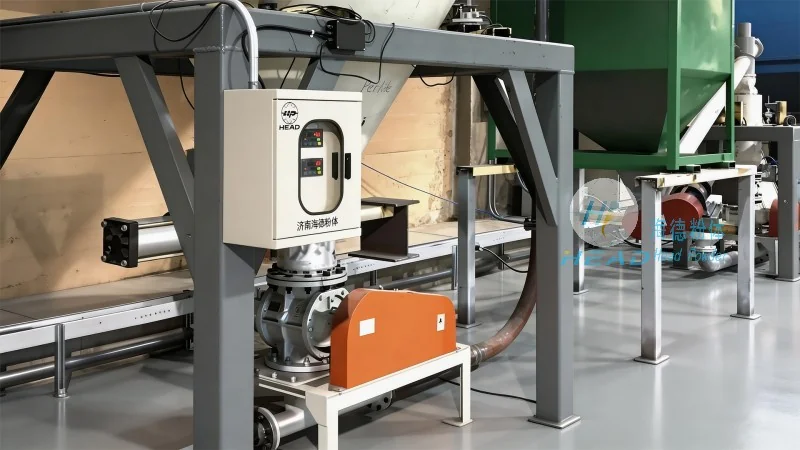
Shandong HeadPowder Engineering Co., Ltd. specializes in designing and manufacturing customized pneumatic conveying systems tailored to the specific needs of clients handling sulfuric nickel. The company considers various factors when designing a system, including the material's physical properties, the required conveying distance, the desired throughput, and the client's operational environment. By conducting thorough site assessments and material testing, HeadPowder ensures that the final system is optimized for performance, reliability, and safety. The company's expertise in material handling solutions allows it to address unique challenges, such as handling abrasive or corrosive materials, and to provide solutions that meet the specific requirements of each industrial application.
Conclusion
In conclusion, pneumatic conveying systems represent a highly effective and efficient method for transporting sulfuric nickel, offering numerous advantages in terms of safety, flexibility, and operational performance. Shandong HeadPowder Engineering Co., Ltd., with its headquarters in Shandong, China, is a trusted partner in providing customized pneumatic conveying solutions that meet the demanding requirements of modern industrial applications. By leveraging advanced technology and extensive industry experience, HeadPowder continues to deliver high-quality material handling systems that enhance productivity and ensure compliance with industry standards.




