For those in the animal feed or food processing industries, the efficient handling of fish meal is a critical aspect of production. Pneumatic conveying systems have emerged as a reliable and effective method for transporting fish meal, offering advantages such as dust control, hygiene, and flexibility. This article provides an overview of fish meal pneumatic conveying systems, detailing their working principles and applications.
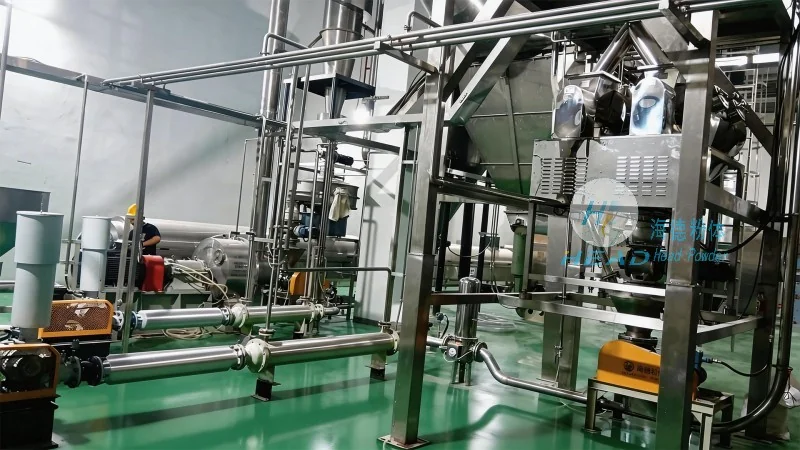
Understanding Pneumatic Conveying Systems
Pneumatic conveying systems utilize air or gas to transport bulk materials like fish meal through a pipeline. The process involves several key components that work together to move the material from the source to the destination. The primary components include a material feed hopper, a conveying line, a venturi or airlock, and a receiver or discharge point. The system operates by creating a pressure differential, either by using a vacuum (negative pressure) or pressure (positive pressure) to draw or push the material through the pipeline.
How Fish Meal Pneumatic Conveying Works
The operation of a fish meal pneumatic conveying system begins with the material being fed into the hopper. The material is then drawn into the conveying line by the air flow, which is generated by a blower or fan. The venturi, a critical component, creates a high-velocity airflow that pulls the fish meal particles into the pipeline. As the material travels through the line, it is mixed with the air, forming a slurry that moves to the receiver. The receiver is typically a storage tank or processing unit where the fish meal is collected. The system ensures that the fish meal is transported without direct contact with the environment, maintaining its quality and preventing contamination.
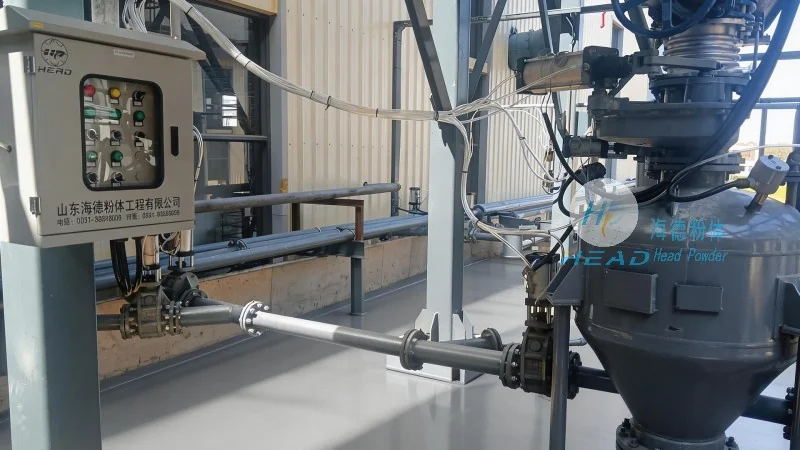
Advantages of Fish Meal Pneumatic Conveying
Compared to traditional methods like belt conveyors or bucket elevators, pneumatic conveying offers several benefits for fish meal handling. These include improved hygiene, as the system is enclosed and reduces dust exposure. It also provides better control over the material flow, allowing for precise dosing and reduced waste. Additionally, pneumatic systems are more flexible, as they can be easily reconfigured to change the conveying route or capacity. The enclosed design also helps in maintaining the nutritional quality of the fish meal by minimizing exposure to air and moisture.
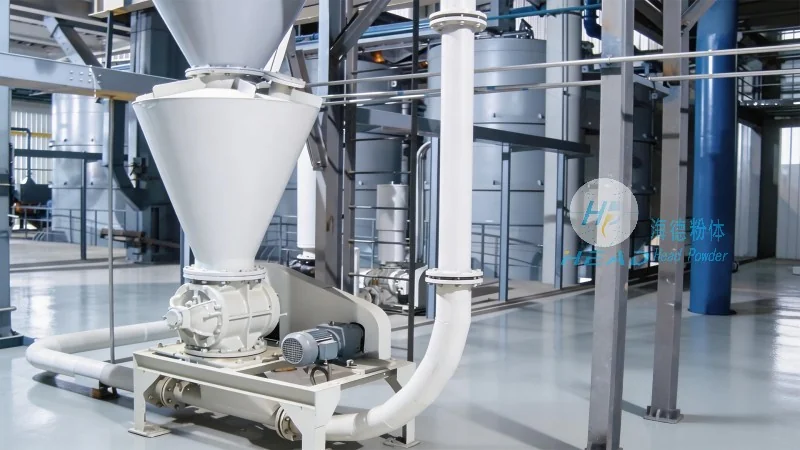
Applications in the Fish Meal Industry
Fish meal pneumatic conveying systems are widely used in various stages of fish meal production and processing. In the raw material handling stage, they transport fish meal from storage silos to processing plants. During the processing stage, they can convey the meal from grinding or drying equipment to mixing and packaging units. The systems are also used in the final packaging stage, where the fish meal is conveyed from storage to packaging machines. The versatility of pneumatic conveying makes it suitable for both small-scale and large-scale fish meal operations, ensuring efficient and consistent production.
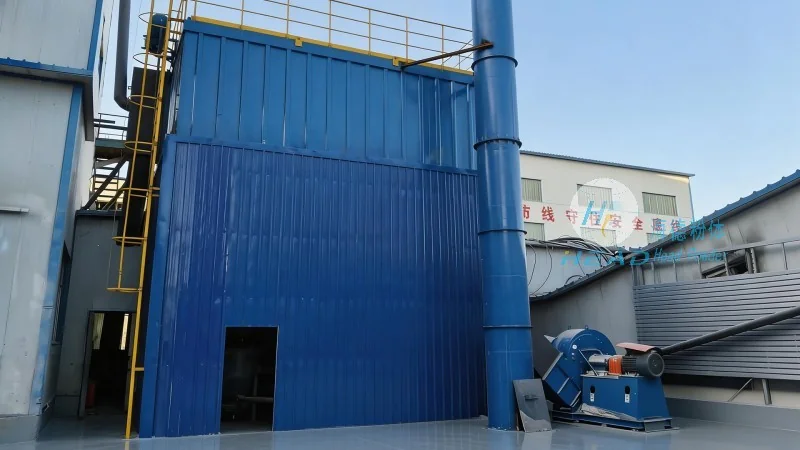
Key Considerations for Design and Installation
When designing a fish meal pneumatic conveying system, several factors must be considered to ensure optimal performance. The first is the material characteristics of the fish meal, including its density, moisture content, and particle size. These factors affect the air velocity required to transport the material effectively. The second is the system layout, which includes the length and diameter of the conveying line, as well as the number of bends and vertical sections. The layout must be designed to minimize pressure losses and prevent material buildup. Additionally, the system must be equipped with proper filtration and cleaning mechanisms to maintain air quality and prevent clogging. Proper maintenance and regular inspections are also crucial to ensure the system operates efficiently and reliably.
Conclusion
Fish meal pneumatic conveying systems are a vital component of modern fish meal processing, offering efficient, hygienic, and flexible material handling solutions. By understanding the working principles and advantages of these systems, manufacturers can optimize their operations and improve the quality of their products. With proper design and maintenance, pneumatic conveying systems can provide long-term benefits, ensuring consistent and reliable fish meal transportation in various industrial applications.




