Coconut shell powder, as a widely used industrial material, requires efficient and reliable conveying systems to ensure smooth production flow. The operation process and working principle of coconut shell powder material conveying involve several key components and steps that work in harmony to achieve optimal performance. This article provides a detailed overview of the process, highlighting the technical aspects and operational efficiency of the system.
Introduction to Coconut Shell Powder Material Conveying
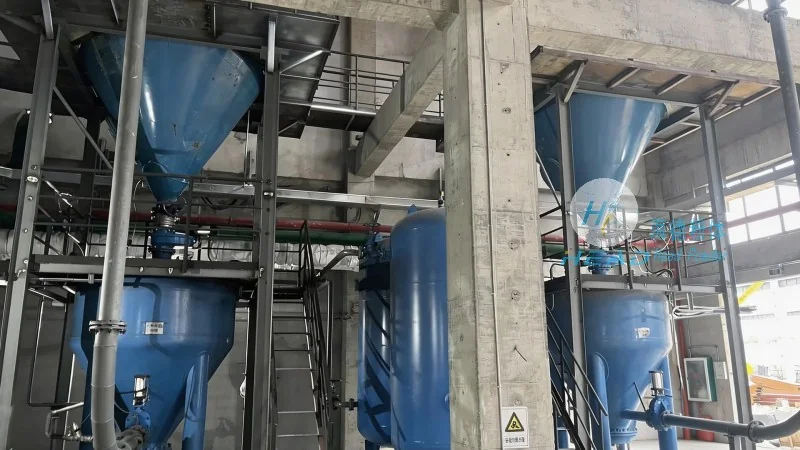
Coconut shell powder is derived from the processing of coconut shells, which are ground into fine particles suitable for various applications such as activated carbon production, animal feed, and industrial filtration. The material's fine texture and potential for dust generation make it essential to employ specialized conveying equipment that can handle these characteristics effectively. The conveying system for coconut shell powder typically integrates components like hoppers, feeders, conveyors, and control mechanisms to ensure safe and efficient material transport from the source to the processing or storage areas.
Key Components of the Conveying System
The conveying system for coconut shell powder consists of several critical components that work together to facilitate material movement. The primary components include:
- Material Hopper: A storage container designed to hold the coconut shell powder before it is fed into the conveying system. The hopper is usually equipped with a sloped bottom to facilitate gravity-assisted feeding and may include a level indicator to monitor the material volume.
- Feeding Device: A device that regulates the flow of coconut shell powder from the hopper into the conveyor. Common feeding devices include rotary valves, vibratory feeders, or screw feeders, which ensure a consistent and controlled feed rate to prevent overloading or underfeeding of the conveyor.
- Conveyor Type: The choice of conveyor depends on the material characteristics and application requirements. For coconut shell powder, pneumatic conveyors (air-swept systems) are often preferred due to their ability to handle fine powders and minimize dust dispersion. Alternatively, mechanical conveyors like belt conveyors or chain conveyors may be used for bulk material transport, though they require careful sealing to prevent dust leakage.
- Control System: An automated control system monitors and regulates the conveying process. This system includes sensors for level detection, flow rate measurement, and pressure monitoring, as well as control panels that adjust the feeder speed, conveyor speed, and air pressure in pneumatic systems. The control system ensures the conveying process operates within safe and efficient parameters, preventing system failures or material waste.
Operation Process of Coconut Shell Powder Conveying
The operation process of coconut shell powder material conveying involves a sequential flow of steps that ensure the material is transported from the storage hopper to the processing unit or storage location. The process typically begins with the loading of coconut shell powder into the hopper. Once the hopper is filled, the feeding device starts to discharge the material at a controlled rate into the conveyor. For pneumatic conveyors, compressed air is introduced to create a flow of air and powder mixture, which is then directed to the destination point.
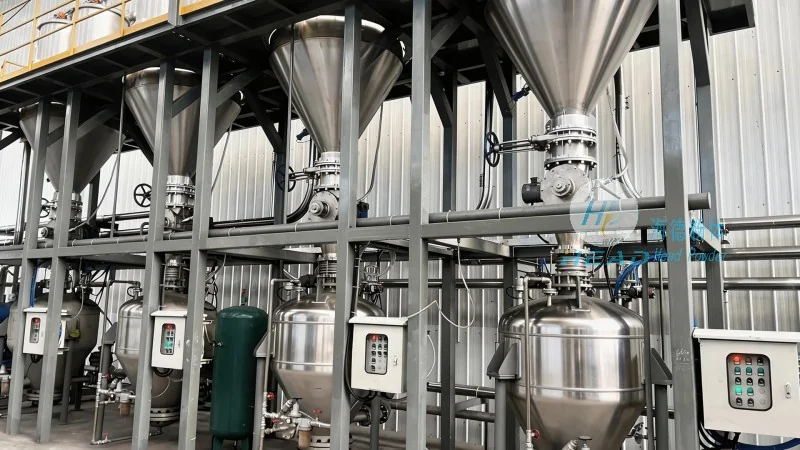
During the conveying process, the system continuously monitors key parameters such as material flow rate, air pressure, and hopper level. Any deviations from the set parameters are automatically adjusted by the control system to maintain optimal performance. For example, if the hopper level decreases, the feeding device may increase its speed to maintain a consistent flow. Similarly, if the air pressure in a pneumatic system drops, the control system may adjust the compressor output to ensure sufficient air supply.
The material reaches the destination point, such as a processing machine or a storage silo, where it is discharged. The discharge point is designed to minimize dust generation and ensure the material is delivered in a controlled manner. After the conveying operation is complete, the system may undergo a cleaning cycle to remove any residual powder from the hopper, feeder, and conveyor components, ensuring the system is ready for the next batch of material.
Working Principle of the Conveying System
The working principle of the coconut shell powder conveying system is based on the principles of fluidization and air movement for pneumatic systems, or mechanical movement for belt and chain conveyors. In pneumatic conveying, the compressed air creates a flow that lifts and transports the fine powder particles through the pipeline. The air velocity is maintained above the minimum fluidization velocity to prevent particle settling and ensure efficient transport. The system uses a combination of positive and negative pressure zones to control the direction of material flow, with the source side operating under positive pressure and the destination side under negative pressure or atmospheric pressure.
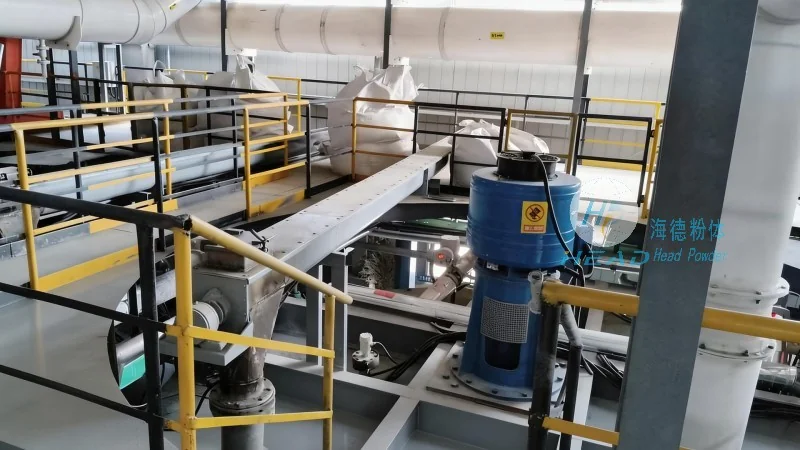
For mechanical conveyors, the working principle involves the movement of a conveyor belt or chain that transports the material along a path. The belt or chain is driven by a motor, and the material is placed on the conveyor surface and moved to the discharge point. The speed of the conveyor is controlled to match the material flow rate from the feeder, ensuring a consistent delivery of the powder. Mechanical conveyors are often used for bulk material transport where the material is not too fine or where dust control is less critical.
The control system plays a crucial role in the working principle by maintaining the balance between the material flow and the conveying medium (air or mechanical force). It ensures that the system operates efficiently, minimizing energy consumption and maximizing material throughput. The system also incorporates safety features such as emergency stop buttons, overload protection, and dust suppression mechanisms to prevent accidents and protect the environment.
Efficiency and Maintenance Considerations
Efficiency in coconut shell powder material conveying is critical for industrial operations, as it directly impacts production costs and product quality. The system's efficiency depends on several factors, including the design of the components, the control system's performance, and regular maintenance. Proper maintenance is essential to ensure the system operates at optimal levels and to prevent downtime due to equipment failure.
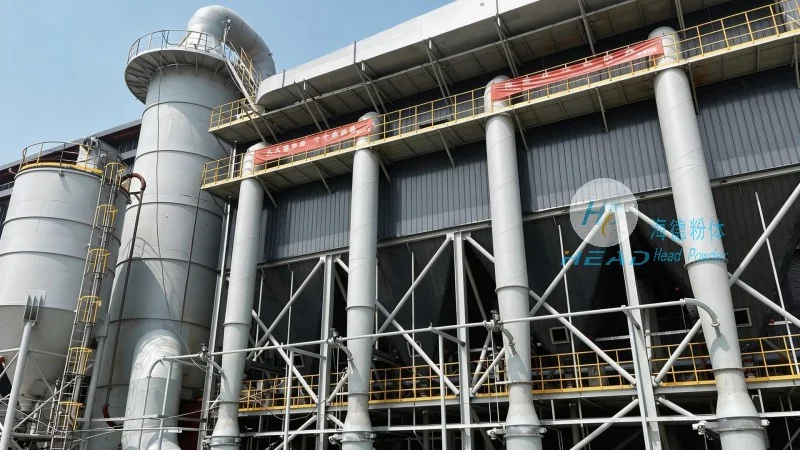
Regular maintenance tasks include cleaning the hopper and feeder to prevent material buildup, inspecting the conveyor belt or chain for wear and tear, checking the air compressor and filters in pneumatic systems, and calibrating the control sensors. The control system should be regularly checked for proper operation and updated with the latest software to ensure it functions correctly. Additionally, the system should be inspected for any signs of wear or damage, such as leaks in the pneumatic lines or loose components, and repaired promptly.
Efficiency can also be improved by optimizing the conveying parameters, such as adjusting the air pressure or conveyor speed to match the material characteristics and application requirements. For example, increasing the air pressure in a pneumatic system can improve the conveying speed but may increase energy consumption. Conversely, reducing the conveyor speed in a mechanical system can lower energy use but may increase the risk of material spillage. The optimal parameters are determined through testing and monitoring to achieve the best balance between efficiency and cost.
Conclusion
The operation process and working principle of coconut shell powder material conveying are complex but essential for industrial applications. The system integrates various components and control mechanisms to ensure efficient and safe transport of the fine powder material. By understanding the key components, operation steps, and working principles, industrial operators can optimize their conveying systems to improve productivity and reduce costs. Regular maintenance and monitoring are crucial to maintain the system's efficiency and longevity. As a leading provider in this field, Shandong HeadPowder Engineering Co., Ltd. specializes in designing and manufacturing high-quality conveying systems tailored to the specific needs of coconut shell powder processing, ensuring reliable and efficient material transport for their clients.




