For manufacturers in the lithium-ion battery industry, the efficient and reliable handling of positive electrode materials is a critical aspect of production. The powder conveying line for positive electrode materials plays a pivotal role in ensuring smooth material flow from raw material storage to the mixing and coating stages. This article provides an in-depth look at the operation process and working principles of such a system, highlighting the key components and their functions. The information is presented by Shandong HeadPowder Engineering Co., Ltd., a leading provider of specialized engineering solutions for the battery material processing sector.
About HeadPowder Engineering
Shandong HeadPowder Engineering Co., Ltd. is a professional enterprise dedicated to the research, development, and manufacturing of advanced powder conveying and processing equipment. With years of experience in the battery material industry, HeadPowder has established itself as a trusted partner for companies seeking to optimize their material handling processes. The company’s headquarters is located in Shandong, China, where it leverages local expertise and resources to deliver high-quality, customized solutions tailored to the specific needs of clients in the lithium-ion battery sector.
Operation Process of the Powder Conveying Line
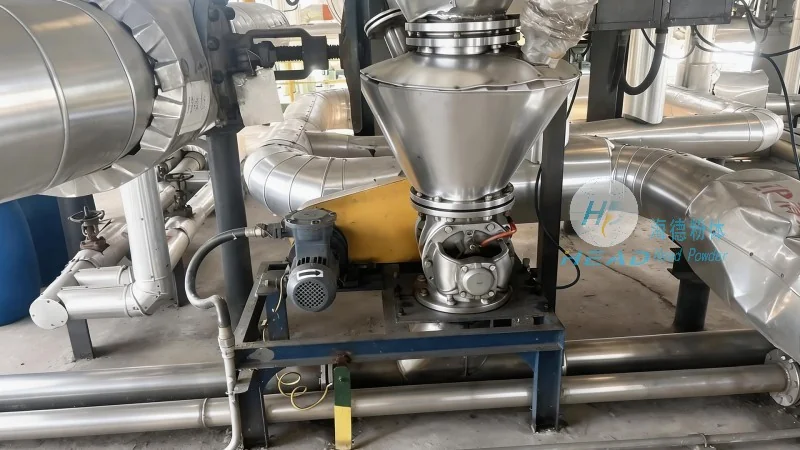
The operation of a lithium-ion battery positive electrode material powder conveying line typically involves several sequential steps designed to ensure accurate and consistent material transfer. The process begins with the storage of raw positive electrode materials, which are often kept in bulk containers or silos. From there, the materials are fed into the conveying system through a hopper or feeder. The primary components of the line include the feeding unit, conveying pipeline, dust collection system, and discharge unit. Each component works in harmony to maintain the integrity of the powder and prevent contamination or loss. The feeding unit, such as a rotary valve or screw feeder, regulates the flow rate of the material into the pipeline. The conveying pipeline, often made of stainless steel or other corrosion-resistant materials, transports the powder under controlled pressure. A dust collection system is integrated to capture any airborne particles, ensuring environmental compliance and product purity. Finally, the discharge unit delivers the material to the next stage of processing, such as mixing or coating. The entire process is typically automated, with sensors and control systems monitoring parameters like flow rate, pressure, and temperature to maintain optimal performance.
Working Principle of the Conveying System
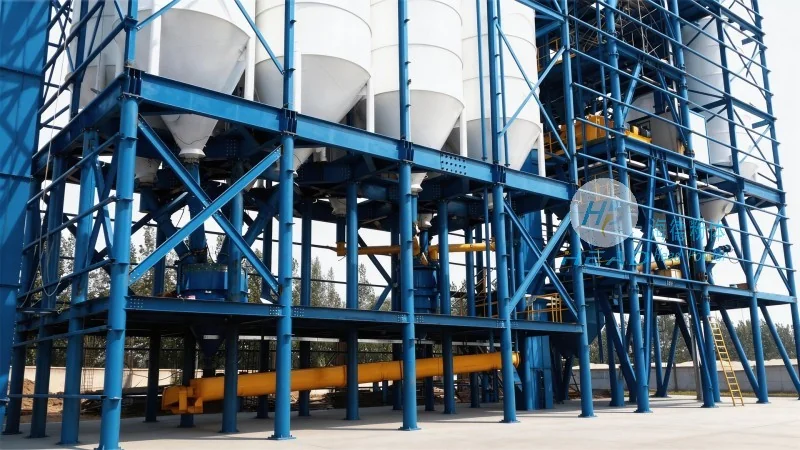
The working principle of a powder conveying line for positive electrode materials can vary depending on the specific technology used, with common methods including pneumatic (air-assisted) conveying and mechanical (screw or belt) conveying. Pneumatic conveying systems utilize compressed air to move the powder through the pipeline, leveraging the pressure differential to transport the material from the source to the destination. This method is particularly effective for handling fine powders and can achieve high conveying rates over long distances. Mechanical conveying systems, on the other hand, rely on mechanical components like screws or belts to physically move the powder. These systems are often preferred for bulkier or more abrasive materials, as they provide more consistent and reliable flow. The choice of conveying method depends on factors such as material properties, required throughput, and system layout. Regardless of the method, the core principle is to maintain a stable and controlled flow of material while minimizing degradation or agglomeration. Advanced control systems are often integrated to adjust parameters in real-time, ensuring that the conveying process remains efficient and safe.
Key Components and Their Functions
Several key components are integral to the operation of a lithium-ion battery positive electrode material powder conveying line. The feeding unit is responsible for controlling the initial flow of material from the storage silo to the conveying pipeline. This component must be designed to handle the specific characteristics of the powder, such as particle size, moisture content, and flowability. A rotary valve or screw feeder is commonly used, as it can regulate the flow rate accurately and prevent material buildup. The conveying pipeline is another critical component, as it must be constructed from materials that are resistant to corrosion and wear from the powder. Stainless steel is a popular choice due to its durability and ability to maintain product purity. The pipeline is typically equipped with bends and fittings that are designed to minimize pressure loss and maintain the flow of material. The dust collection system is essential for maintaining a clean and safe working environment. It captures any airborne particles and filters them to meet environmental regulations. The system may include cyclones, bag filters, or electrostatic precipitators, depending on the specific requirements. Finally, the discharge unit delivers the material to the next processing stage. This component must be designed to handle the material's properties and ensure a smooth transition to the subsequent equipment. For example, a rotary valve or a controlled discharge hopper may be used to regulate the outflow of material.
Advantages of the Conveying Line
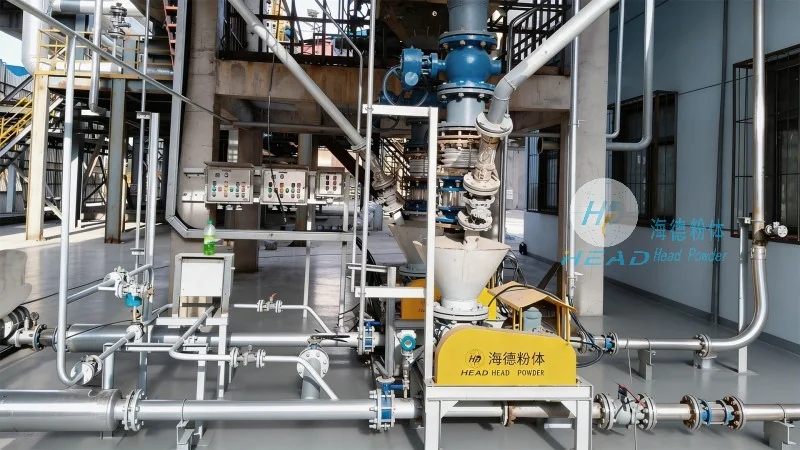
The implementation of a specialized powder conveying line for lithium-ion battery positive electrode materials offers several advantages for manufacturers. First, it enhances operational efficiency by automating the material handling process, reducing the need for manual intervention and minimizing downtime. This leads to increased production throughput and improved overall productivity. Second, the system ensures consistent material quality by maintaining a controlled flow and preventing contamination. This is crucial for achieving uniform battery performance and reliability. Third, the automated control systems provide real-time monitoring and feedback, allowing for quick adjustments to maintain optimal performance. This helps to reduce waste and improve cost-effectiveness. Fourth, the system is designed to meet environmental standards by incorporating dust collection and filtration systems, ensuring compliance with regulations and promoting a safe working environment. Overall, the use of a dedicated powder conveying line can significantly improve the efficiency, safety, and quality of the battery production process.
Conclusion
In conclusion, the operation process and working principles of a lithium-ion battery positive electrode material powder conveying line are essential for the efficient production of high-quality batteries. The system, provided by Shandong HeadPowder Engineering Co., Ltd., combines advanced technology and engineering expertise to deliver a reliable and effective solution for material handling. By understanding the key components and their functions, manufacturers can optimize their production processes and enhance overall performance. As the demand for lithium-ion batteries continues to grow, the importance of efficient material handling systems will only increase, making such equipment a critical investment for any battery manufacturer.




