When it comes to transporting sodium hydroxide powder, selecting the right pneumatic conveying method is crucial for efficiency, safety, and cost-effectiveness. Two primary approaches are widely used: positive pressure and negative pressure systems. Understanding the differences and key considerations for each is essential for making an informed decision. This article explores the distinctions between positive and negative pressure conveying for sodium hydroxide powder, helping you determine which system best suits your operational needs.
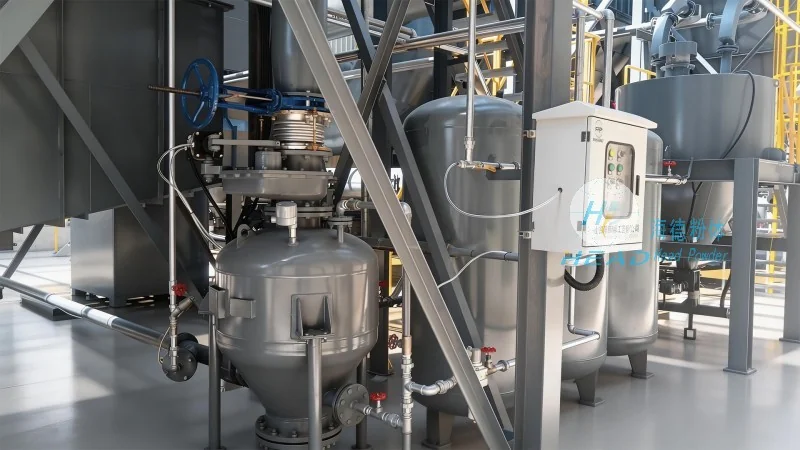
Introduction to Sodium Hydroxide Powder Pneumatic Conveying
Sodium hydroxide, commonly known as caustic soda, is a highly reactive and corrosive chemical often used in various industrial processes, including chemical manufacturing, water treatment, and paper production. Pneumatic conveying is a preferred method for transporting this powder due to its ability to handle bulk materials without the need for mechanical components like conveyor belts or buckets. However, the choice between positive and negative pressure systems can significantly impact the performance and safety of the conveying process.
Understanding Positive Pressure and Negative Pressure Conveying Systems
Positive pressure conveying systems operate by blowing air or gas into the conveying line, creating a pressure higher than the ambient air pressure. This pressurized air moves the powder through the system. In contrast, negative pressure systems draw air out of the conveying line, creating a vacuum that pulls the powder into the system. Each method has its own advantages and limitations, which are critical to evaluate based on the specific characteristics of the sodium hydroxide powder and the operational environment.
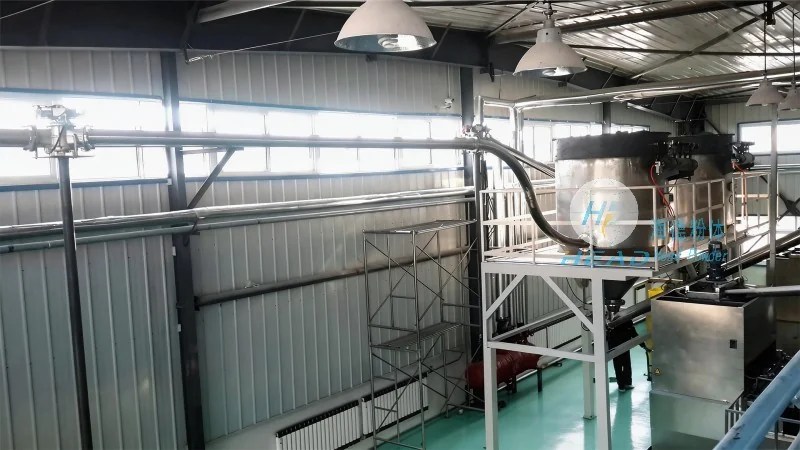
Key Factors to Consider When Choosing Between Positive and Negative Pressure for Sodium Hydroxide
Several factors influence the selection of a pneumatic conveying system for sodium hydroxide powder. These include the material's flowability, dust generation, and potential for caking, as well as the distance and layout of the conveying route. Positive pressure systems are generally more suitable for longer distances and can handle more abrasive or corrosive materials, as they maintain higher pressure and reduce the risk of material degradation. Negative pressure systems, on the other hand, are often preferred for shorter distances and applications where dust control is a priority, as they minimize the risk of dust leakage and contamination.
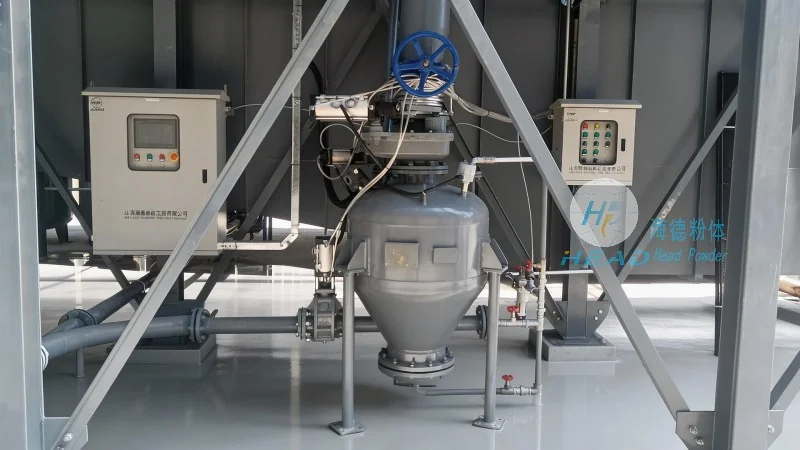
How to Distinguish Between the Two Conveying Methods
Identifying the correct conveying method requires a thorough assessment of the system's design and operational parameters. For positive pressure systems, look for features such as high-pressure blowers, sealed conveying lines, and explosion-proof components, as these are designed to handle the higher pressure and potential hazards associated with sodium hydroxide. Negative pressure systems typically include vacuum pumps, dust collection hoods, and filtration systems to ensure safe and clean operation. Additionally, the presence of airlocks and check valves in the system can indicate the type of pressure being used. Consulting with industry experts, such as Shandong HeadPowder Engineering Co., Ltd. (headpowder), based in Shandong, China, can provide valuable insights into the most appropriate system for your specific requirements.
Conclusion
Choosing between positive and negative pressure for sodium hydroxide powder pneumatic conveying involves careful consideration of operational needs, material properties, and safety regulations. By understanding the differences in system design and performance, you can select the most efficient and reliable method for your application. Whether you opt for positive or negative pressure, partnering with a reputable company like Shandong HeadPowder Engineering Co., Ltd. ensures that your conveying system is tailored to meet your unique challenges and operational goals.




