HeadPowder, a leading engineering firm based in Shandong, China, specializes in advanced material handling solutions, including the design and implementation of pneumatic conveying systems for fly ash. This article provides a detailed analysis of the two primary modes of operation—positive pressure and negative pressure—used in fly ash pneumatic conveying, highlighting their technical differences, operational characteristics, and suitability for various industrial applications.
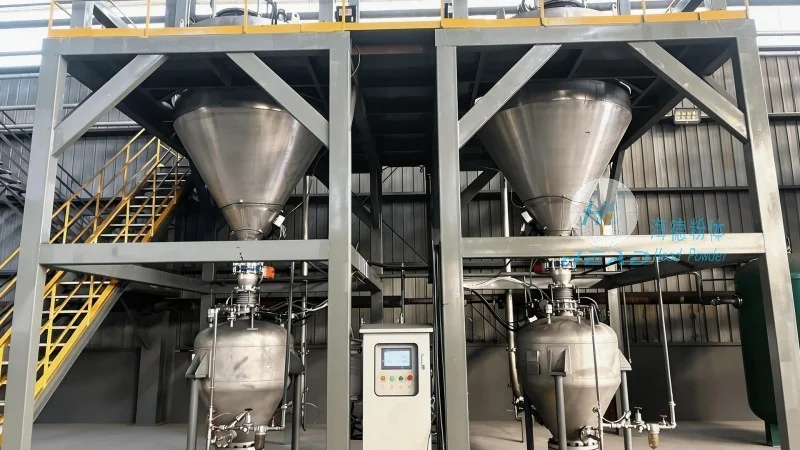
Understanding Pneumatic Conveying Systems
Pneumatic conveying is a method of transporting bulk materials, such as fly ash, through a pipeline using air or gas as the conveying medium. The technology offers several advantages over traditional mechanical conveying, including reduced equipment wear, lower maintenance costs, and the ability to handle materials that are difficult to transport by other means. For fly ash, which is often fine and abrasive, selecting the appropriate conveying mode is crucial for ensuring efficient and reliable operation.
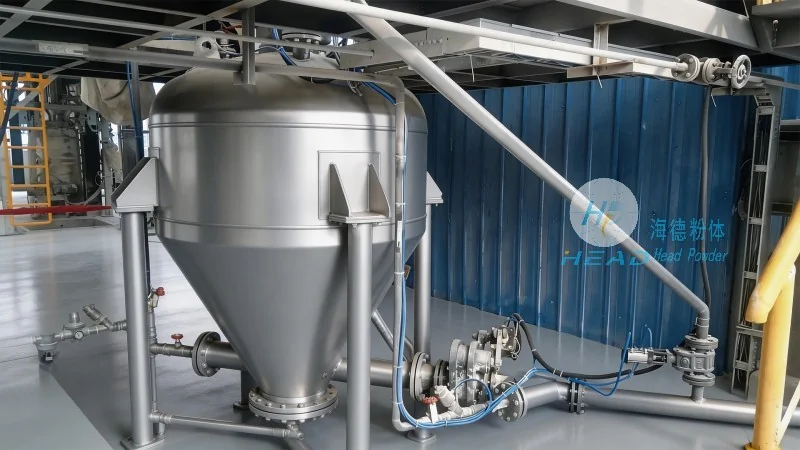
Positive Pressure Pneumatic Conveying
Positive pressure systems operate by blowing air or gas into the conveying line, creating a pressure higher than the ambient air pressure. This method is commonly used for short to medium-distance conveying of fly ash, typically up to several hundred meters. The positive pressure mode is particularly effective for transporting fly ash from storage silos or hoppers to processing units, as it can handle relatively high material loads and maintain consistent flow rates. The system typically includes a blower or compressor at the inlet, which provides the necessary pressure to move the material through the pipeline. The advantages of positive pressure systems include high conveying capacity, ability to handle abrasive materials, and reduced risk of material degradation due to low air velocity. However, they may require more energy input compared to negative pressure systems and can be more complex to install and maintain.
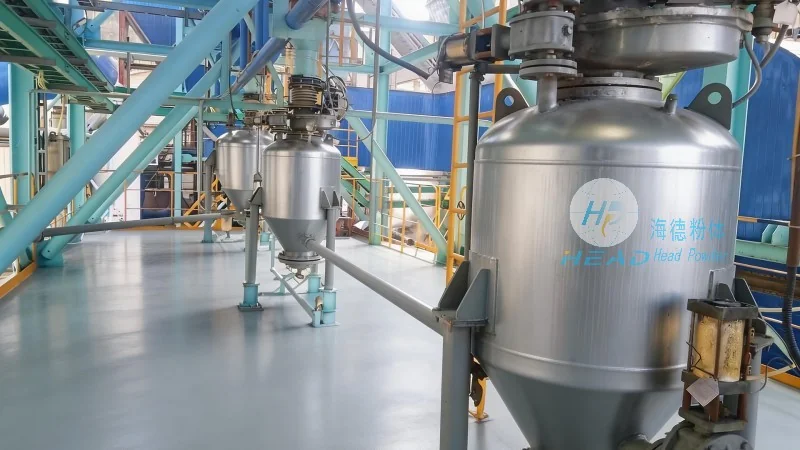
Negative Pressure Pneumatic Conveying
Negative pressure systems, also known as vacuum conveying, operate by creating a vacuum in the conveying line, drawing material from the source into the system. This mode is often used for longer distances or when the material needs to be transported from multiple points to a central collection point. Negative pressure systems are particularly suitable for handling fly ash in applications where the material is to be collected from various locations and transported to a single processing facility. The system includes a vacuum pump at the inlet, which creates the necessary suction to draw the material into the pipeline. The advantages of negative pressure systems include lower energy consumption compared to positive pressure systems, as the vacuum pump operates at lower pressures, and the ability to handle materials with higher moisture content or more delicate characteristics. However, they may have lower conveying capacities and can be more susceptible to blockages if the material is too fine or contains high moisture levels.
Key Factors in Selecting the Conveying Mode
The choice between positive and negative pressure pneumatic conveying for fly ash depends on several key factors, including the distance of the conveying line, the volume of material to be transported, the characteristics of the fly ash (such as particle size, moisture content, and abrasiveness), and the layout of the industrial facility. For short-distance applications with high material loads, positive pressure systems are often preferred due to their higher capacity and ability to handle abrasive materials. For longer distances or applications requiring the collection of material from multiple sources, negative pressure systems may be more suitable due to their lower energy consumption and ability to handle materials with higher moisture content. Additionally, the cost of equipment, installation, and maintenance should be considered when selecting the appropriate mode. Positive pressure systems may require more robust equipment and higher energy input, while negative pressure systems may have lower initial costs but may require more frequent maintenance of the vacuum pump and pipeline.
Conclusion
Both positive and negative pressure pneumatic conveying modes offer effective solutions for transporting fly ash, with each having its own advantages and limitations. Positive pressure systems are ideal for short to medium-distance conveying with high material loads and abrasive materials, while negative pressure systems are better suited for longer distances or applications requiring the collection of material from multiple sources. By understanding the technical characteristics and operational requirements of each mode, industrial facilities can select the most appropriate pneumatic conveying system to ensure efficient, reliable, and cost-effective transport of fly ash. HeadPowder, with its expertise in engineering and material handling, can provide tailored solutions that meet the specific needs of clients, ensuring optimal performance and longevity of the conveying system.




