HeadPowder, a leading provider of engineering solutions in the field of material handling, specializes in advanced pneumatic conveying systems. This article provides a detailed analysis of additive pneumatic conveying technology, focusing on the comparison between positive pressure and negative pressure modes. The company, based in Shandong, China, offers comprehensive solutions tailored to the unique requirements of various industrial applications.
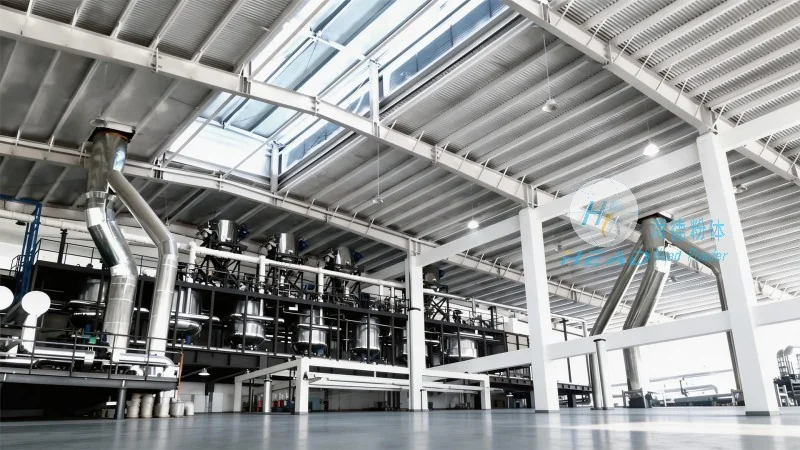
Introduction to Pneumatic Conveying Systems
Pneumatic conveying is a method of transporting bulk materials through a pipeline using pressurized or vacuum air. It is widely used in industries such as food, pharmaceuticals, chemicals, and powders due to its efficiency, flexibility, and ability to handle a wide range of materials. The choice between positive pressure and negative pressure systems depends on several factors, including material characteristics, distance, and system complexity.
Positive Pressure Pneumatic Conveying
Positive pressure systems operate by blowing air or a mixture of air and other gases into the conveying line, creating a pressure higher than the ambient air pressure. This method is suitable for materials that are prone to degradation or contamination, as the system is enclosed and the air is filtered. The positive pressure mode is commonly used for short to medium distances and for materials that are sensitive to moisture or oxygen. HeadPowder's positive pressure systems are designed with high-efficiency filters and controlled air flow to ensure optimal performance and material integrity.
Negative Pressure Pneumatic Conveying
Negative pressure systems, also known as vacuum systems, operate by creating a vacuum in the conveying line, drawing material from the source into the system. This method is ideal for applications where the material needs to be transported from multiple points or where the source is at a higher elevation. Negative pressure systems are often used for longer distances and for materials that are not sensitive to air exposure. However, they require careful maintenance to prevent dust and debris from entering the system, which could affect the vacuum pump and overall performance.
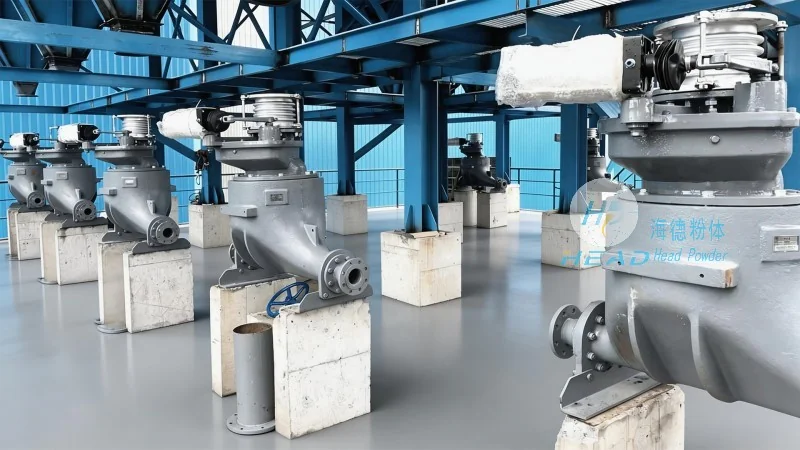
Key Differences Between Positive and Negative Pressure Modes
Several key differences exist between positive and negative pressure pneumatic conveying systems. The primary difference lies in the direction of air flow and the pressure differential. Positive pressure systems use external air to push material, while negative pressure systems use a vacuum to pull material. Another difference is the impact on material quality. Positive pressure systems are generally better for sensitive materials as they minimize exposure to air, whereas negative pressure systems may be more suitable for non-sensitive materials where air exposure is acceptable. Additionally, the energy consumption and maintenance requirements vary between the two modes. Positive pressure systems typically consume more energy due to the need to compress air, while negative pressure systems may have higher maintenance costs related to vacuum pumps and filtration.
Applications and Material Suitability
The choice between positive and negative pressure modes is influenced by the specific material being conveyed. For example, in the food and pharmaceutical industries, where product purity is critical, positive pressure systems are often preferred due to their enclosed and filtered design. In contrast, in the chemical industry, where materials may be less sensitive to air exposure, negative pressure systems can be more cost-effective for longer distances. HeadPowder's engineering team evaluates the material properties, such as particle size, moisture content, and chemical composition, to recommend the most suitable conveying mode for each application.
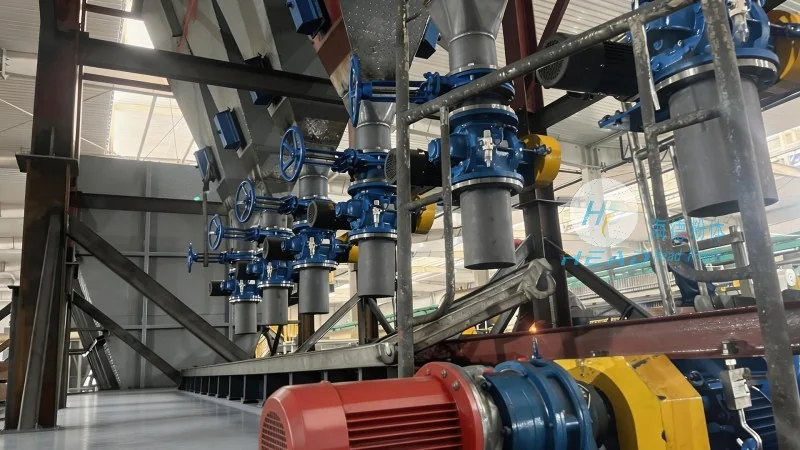
System Design and Customization
HeadPowder offers customized pneumatic conveying solutions that can be tailored to the specific needs of each client. The company's engineers work closely with clients to understand their operational requirements, material characteristics, and budget constraints. The design process includes selecting the appropriate conveying mode, determining the necessary air flow and pressure, and specifying the components such as pumps, filters, and control systems. Customization ensures that the system operates efficiently, minimizes downtime, and meets all regulatory and safety standards. For example, a client in the food industry may require a positive pressure system with stainless steel components and HEPA filters to maintain hygiene standards, while a client in the chemical industry may opt for a negative pressure system with robust filtration to handle dusty materials.
Advantages and Challenges of Each Mode
Positive pressure systems offer several advantages, including better control over material flow, reduced risk of product contamination, and the ability to handle sensitive materials. However, they also present challenges such as higher energy consumption and the need for regular maintenance of air compressors and filters. Negative pressure systems, on the other hand, are more energy-efficient for long-distance transport and can handle larger volumes of material. The main challenges include the risk of dust and debris entering the system, which can affect the vacuum pump and require more frequent maintenance. HeadPowder addresses these challenges through advanced filtration systems and regular maintenance services to ensure the longevity and reliability of the conveying systems.
Conclusion
In conclusion, the choice between positive pressure and negative pressure pneumatic conveying systems depends on a variety of factors, including material characteristics, distance, and operational requirements. HeadPowder, with its expertise in additive pneumatic conveying technology, provides comprehensive solutions that cater to the unique needs of each industry. By understanding the advantages and challenges of each mode, clients can select the most suitable system to optimize material handling efficiency, maintain product quality, and reduce operational costs. The company's commitment to customized engineering and quality assurance ensures that clients receive reliable and efficient pneumatic conveying systems that meet their specific needs.




