Understanding the operation process and working principle of sulfur powder conveying systems is crucial for industries that handle sulfur in bulk. These systems are designed to efficiently transport sulfur powder from storage to processing units, ensuring minimal loss and optimal performance. The following sections detail the key components, operational steps, and technical aspects of such systems, providing a comprehensive overview for professionals in the field.
Key Components of Sulfur Powder Conveying Systems
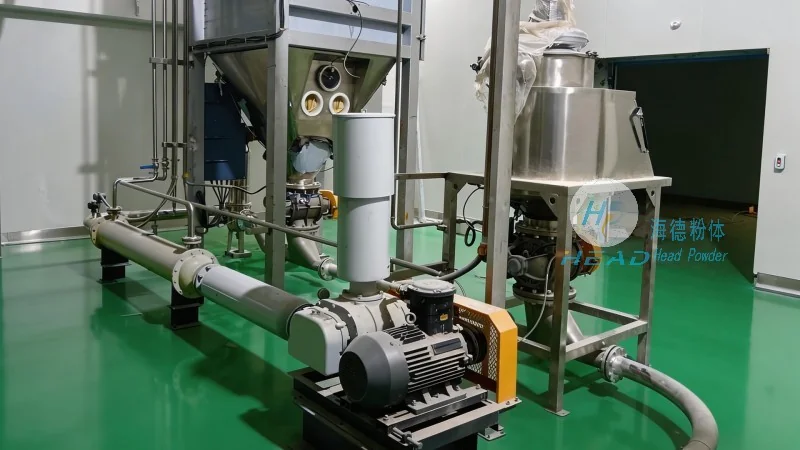
At the core of a sulfur powder conveying system are several critical components that work in tandem to ensure smooth operation. These include hoppers for material storage, feeders to control the flow rate, conveyor belts or pneumatic pipelines for transportation, and control panels for monitoring and adjustment. Each component plays a vital role in maintaining the system's efficiency and safety. For instance, hoppers are typically designed with sloped sides to prevent material bridging, while feeders such as rotary valves or screw conveyors regulate the discharge rate to match downstream processing requirements. The conveyor system, whether mechanical or pneumatic, is selected based on the specific characteristics of the sulfur powder, such as particle size, moisture content, and dust generation potential. Control panels equipped with sensors and indicators allow operators to monitor pressure, flow rates, and system status in real-time, enabling quick adjustments to maintain optimal performance.
Working Principle of Sulfur Powder Conveying Systems
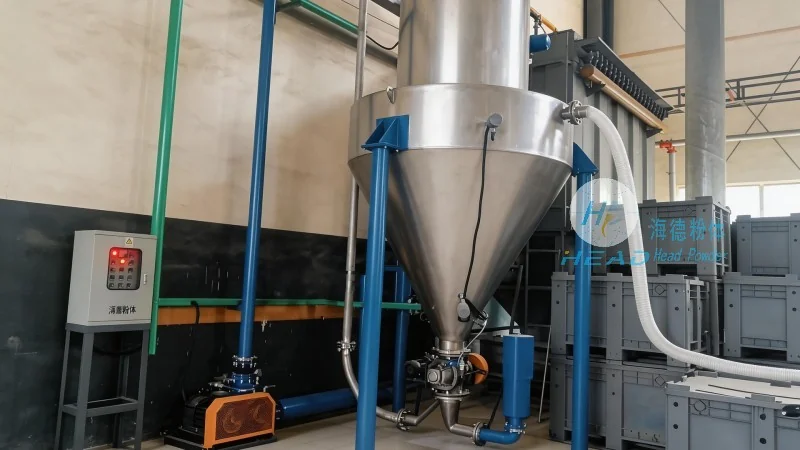
The working principle of sulfur powder conveying systems can be broadly categorized into mechanical and pneumatic methods. Mechanical systems rely on physical force to move the material, such as gravity or mechanical force from conveyor belts or screw conveyors. In contrast, pneumatic systems use compressed air to create a flow of air and powder mixture, transporting the material through pipelines. The choice between these methods depends on factors like the distance to be covered, the volume of material to be transported, and the need for dust control. For example, mechanical conveyors are often used for short distances and moderate volumes, while pneumatic systems are preferred for longer distances or when dust suppression is essential. The process typically begins with the sulfur powder being loaded into the hopper. From there, a feeder regulates the flow, feeding the material into the conveyor system. In mechanical systems, the conveyor belt or screw rotates, pushing the powder forward. In pneumatic systems, the powder is mixed with air and drawn through the pipeline by a fan or blower. The system terminates at the receiving hopper or processing unit, where the sulfur powder is discharged for further use. Throughout this process, the system maintains a consistent flow rate and pressure, ensuring that the material is transported without clogging or degradation.
Operational Steps and Process Flow
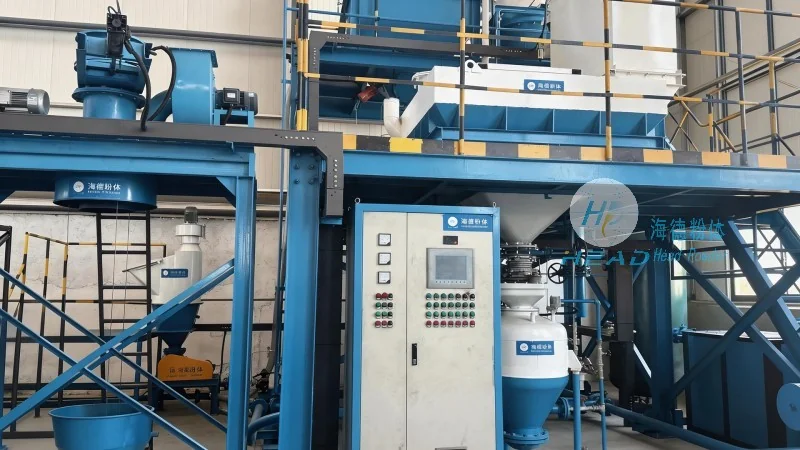
The operation of a sulfur powder conveying system follows a systematic sequence of steps to ensure efficient and safe material handling. The process starts with the preparation of the system, which includes checking the hopper level, verifying the condition of the conveyor components, and ensuring the control panel is set to the correct parameters. Once the system is ready, the feed is initiated. The feeder controls the discharge rate, and the conveyor transports the sulfur powder to the destination. During operation, operators monitor the system continuously, checking for any signs of clogging, excessive pressure, or abnormal flow rates. If any issues are detected, adjustments are made promptly to restore normal operation. The system also includes safety features such as dust collection systems and emergency shut-off valves to prevent accidents and protect personnel. Regular maintenance is performed to ensure the longevity and reliability of the system, including cleaning of hoppers and conveyors, lubrication of moving parts, and inspection of sensors and controls. By following these operational steps, the system can operate efficiently, minimizing downtime and maximizing productivity.
Technical Considerations and Optimization
Several technical considerations are essential for optimizing the performance of sulfur powder conveying systems. One key factor is the particle size distribution of the sulfur powder, as finer particles may require more careful handling to prevent dust generation and clogging. Moisture content is another critical parameter, as high moisture levels can lead to material bridging and reduced flow rates. The system design must account for these characteristics to ensure smooth operation. Additionally, the distance and layout of the conveying system affect the choice of components, such as the type of conveyor and the pressure required for pneumatic systems. For longer distances, vertical lift sections may be incorporated to reduce the overall footprint and cost. Energy efficiency is also a consideration, as the system should operate with minimal power consumption while maintaining the required flow rates. By addressing these technical aspects, the system can be optimized to meet the specific needs of the application, ensuring reliable and efficient sulfur powder transport.
Applications and Industries
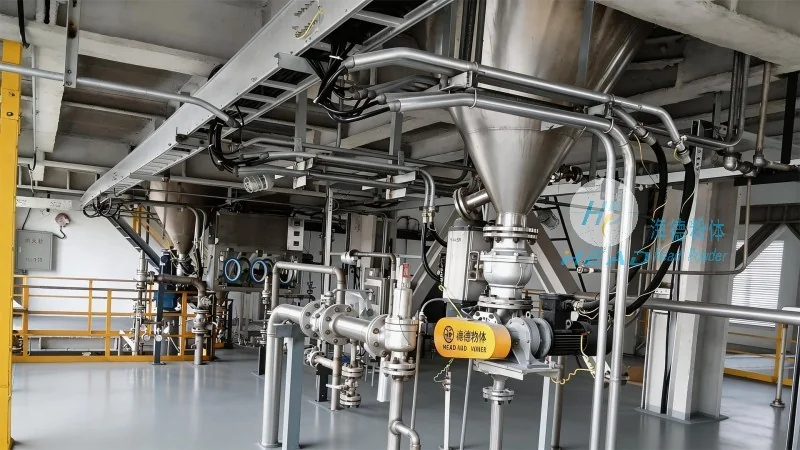
Sulfur powder conveying systems are widely used in various industries that require bulk handling of sulfur. These include the chemical industry, where sulfur is used as a raw material for producing sulfuric acid and other chemicals. The petroleum industry also utilizes sulfur in refining processes, and the fertilizer industry uses it as a component in sulfur-based fertilizers. Additionally, the mining industry may use these systems to transport sulfur from ore processing facilities. Each industry has specific requirements for the conveying system, such as the volume of material, the distance to be covered, and the need for dust control. For example, in the chemical industry, the system may need to handle large volumes of sulfur powder over long distances, requiring robust mechanical or pneumatic components. In the fertilizer industry, the system may need to be designed to minimize dust generation to comply with environmental regulations. By understanding the specific needs of each application, the sulfur powder conveying system can be tailored to provide optimal performance and meet industry standards.




