Shandong HeadPowder Engineering Co., Ltd., a leading provider in the field, specializes in the design, manufacturing, and implementation of advanced catalyst powder conveying systems. With a focus on precision and efficiency, these systems are crucial for industries that rely on the reliable transport of catalyst powders, such as chemical processing, pharmaceuticals, and petrochemical sectors. The company's expertise ensures that each system is tailored to meet the specific requirements of clients, optimizing performance and safety in powder handling operations.
Key Components and Their Roles
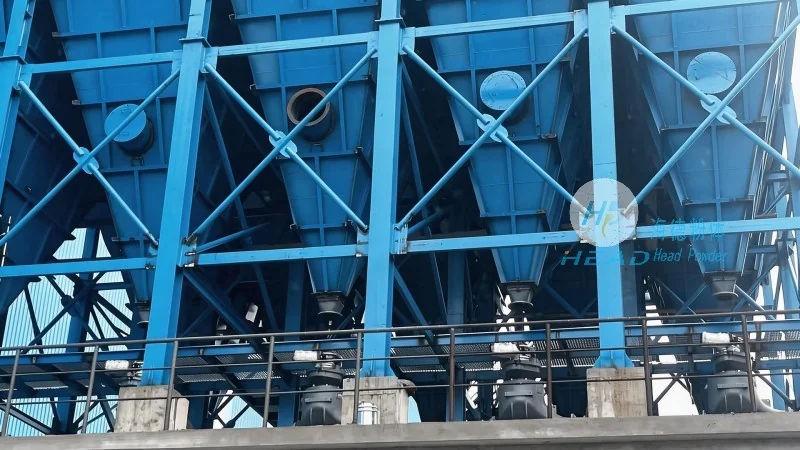
The catalyst powder conveying system typically consists of several key components that work in tandem to ensure smooth and efficient operation. These components include feed hoppers, rotary valves, conveyor lines (often pneumatic or mechanical), and control systems. The feed hopper is responsible for storing and feeding the catalyst powder into the system, while the rotary valve acts as a controlled gate to regulate the flow of material. The conveyor line, which can be either pneumatic (using air pressure to move the powder) or mechanical (using belts or screws), transports the powder from the source to the destination. The control system monitors and adjusts the flow rate, pressure, and other parameters to maintain optimal performance and prevent issues like blockages or overloading.
Operation Process: Step-by-Step Overview
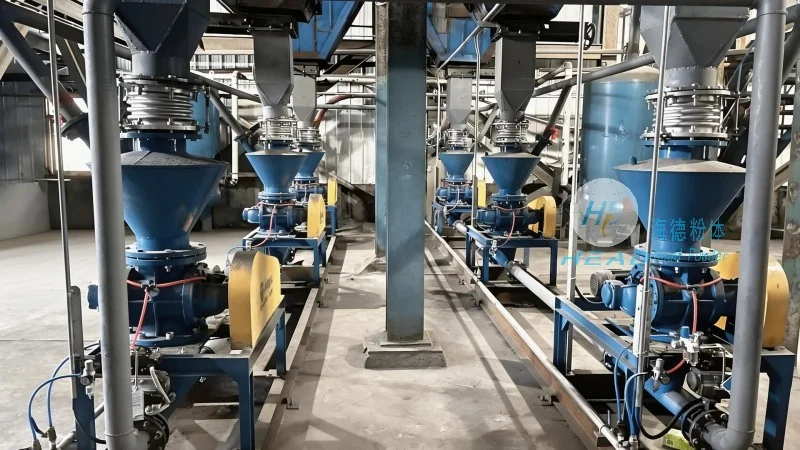
The operation of a catalyst powder conveying system follows a systematic process that ensures consistent and reliable delivery of the powder. The process begins with the loading of the catalyst powder into the feed hopper. Once the hopper is filled, the rotary valve opens to allow the powder to enter the conveyor line. The conveyor system then transports the powder through the line, which may include bends, filters, or other processing units as required. The control system continuously monitors the pressure and flow rate, adjusting the air pressure or motor speed as needed to maintain a steady flow. At the destination, the powder is discharged into a receiving vessel or processing unit. This step-by-step process minimizes the risk of material loss, contamination, or system downtime, ensuring that the catalyst powder reaches its intended destination in a controlled and efficient manner.
Working Principle: How the System Transfers Catalyst Powder
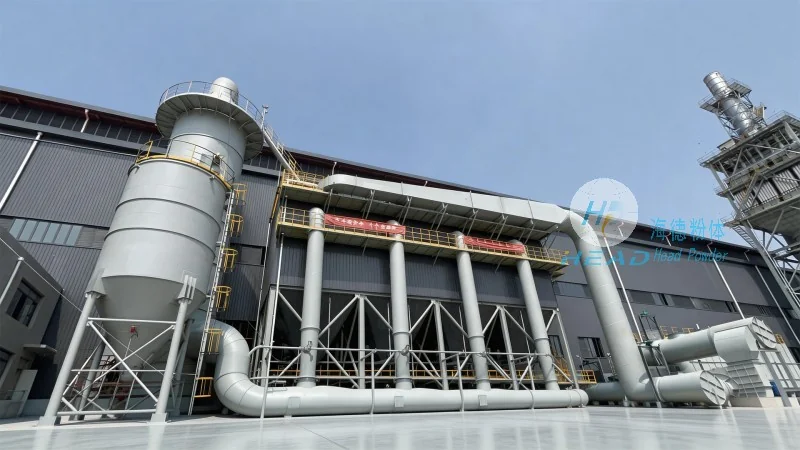
The working principle of a catalyst powder conveying system is based on the principles of fluidization and pneumatic transport. In pneumatic conveying systems, the catalyst powder is suspended in a stream of air, creating a fluidized mixture that can be transported through pipes. The air pressure and velocity are carefully controlled to ensure that the powder particles are carried without settling or clogging the system. Mechanical conveying systems, on the other hand, use rotating components like screws or belts to move the powder along the conveyor line. The design of the conveyor components, including the pitch and speed of screws or the tension of belts, is critical to maintaining the flow of powder and preventing blockages. Both pneumatic and mechanical systems rely on precise control mechanisms to regulate the flow rate and pressure, ensuring that the catalyst powder is transferred safely and efficiently. The system's ability to handle fine powders, such as catalysts, is enhanced by features like air filtration and particle size control, which prevent dust emissions and maintain product quality.
Benefits and Applications in Industrial Settings
The catalyst powder conveying system offers numerous benefits to industrial operations, including improved efficiency, reduced labor costs, and enhanced safety. By automating the powder handling process, companies can minimize the risk of human error and exposure to hazardous materials. The system's ability to handle large volumes of catalyst powder quickly and reliably ensures that production processes are not interrupted, leading to increased productivity. Additionally, the precise control over flow rates and pressure helps maintain the quality of the catalyst powder, which is critical for its performance in downstream processes. These systems are widely used in various industries, including chemical manufacturing, where catalysts are used to accelerate chemical reactions, and pharmaceuticals, where catalysts are used in the synthesis of active ingredients. The versatility of the system allows it to be adapted to different powder types and processing requirements, making it a valuable asset for any facility that handles catalyst powders.
Conclusion: The Importance of Reliable Catalyst Powder Conveying Systems
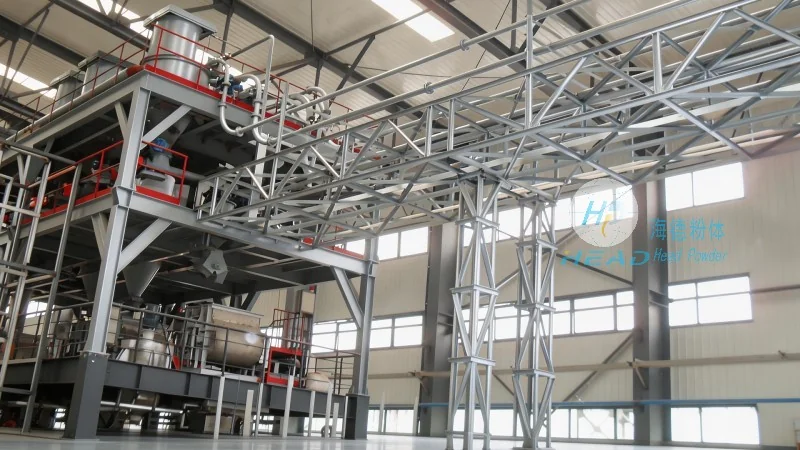
For industries that rely on the consistent and safe transport of catalyst powders, a well-designed and properly maintained conveying system is essential. Shandong HeadPowder Engineering Co., Ltd. provides comprehensive solutions that address the unique challenges of powder handling, ensuring that clients can achieve optimal performance and efficiency. By understanding the operation process and working principles of these systems, companies can make informed decisions about their powder transport needs and select the most suitable equipment for their operations. The continued advancement of technology in this field ensures that catalyst powder conveying systems will remain a critical component of industrial processes, supporting the growth and development of various sectors.




