The pyrolysis carbon powder conveying system is a specialized equipment designed for the efficient handling and transportation of pyrolysis carbon powders. As a key component in industrial processes, this system ensures the smooth transfer of carbon powders from one processing stage to another, maintaining product quality and operational efficiency. The system integrates advanced technology and robust engineering to meet the demands of modern industrial applications, particularly in the fields of carbon materials production and processing. Its design focuses on minimizing material loss, controlling dust generation, and optimizing the overall workflow, making it an indispensable tool for industries relying on carbon-based products.
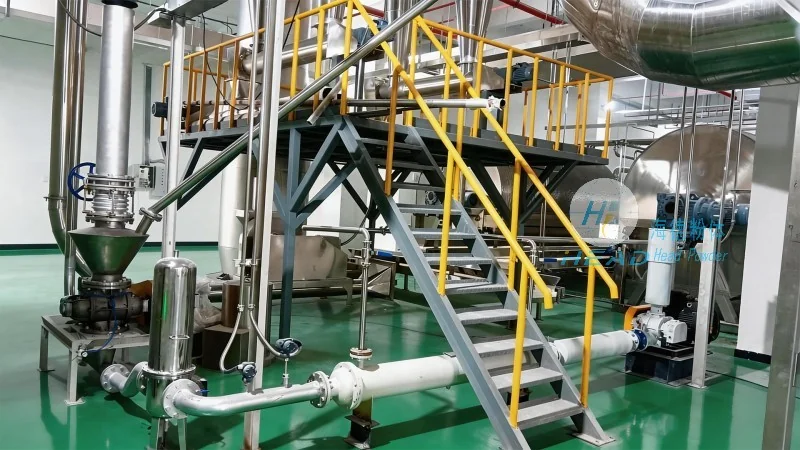
Key Components of the Conveying System
The pyrolysis carbon powder conveying system comprises several critical components that work in harmony to achieve optimal performance. These include the feed hopper, which is responsible for receiving and storing the pyrolysis carbon powder; the conveyor mechanism, such as a screw conveyor or pneumatic conveyor, which facilitates the movement of the powder; the control panel, which monitors and regulates the system's operation; and the dust collection system, which ensures environmental compliance and product purity. Each component is meticulously designed to handle the unique properties of pyrolysis carbon powders, including their fine particle size (typically ranging from 1 to 200 microns) and potential dust generation. The feed hopper is often equipped with a level indicator to monitor the powder volume, while the conveyor mechanism may feature variable speed drives to adjust the flow rate. The control panel integrates sensors for temperature, pressure, and flow rate, providing real-time data for system optimization.
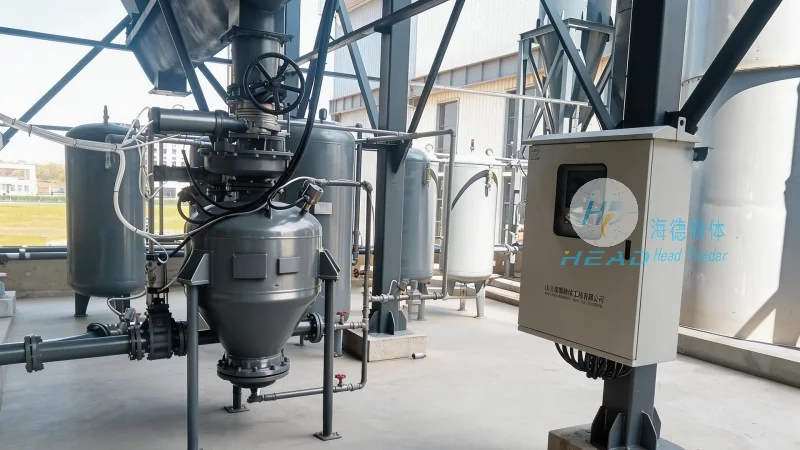
Operation Process of the Conveying System
The operation of the pyrolysis carbon powder conveying system follows a systematic process that begins with the loading of the feed hopper. The powder is then transferred to the conveyor mechanism, which moves it through the system. The control panel plays a crucial role in maintaining the desired flow rate and pressure, ensuring that the powder is conveyed at the optimal speed. The dust collection system is activated during the conveying process to capture any airborne particles, preventing contamination and maintaining a clean working environment. The system's operation is typically automated, with sensors and controls that adjust the process parameters in real-time to adapt to variations in powder feed or system conditions. For example, if the feed rate increases, the conveyor speed may be adjusted to maintain a consistent flow, preventing clogging or material buildup. The system may also include a safety interlock that stops the conveyor if the hopper level is too low or if the dust collection system fails, ensuring operational safety.
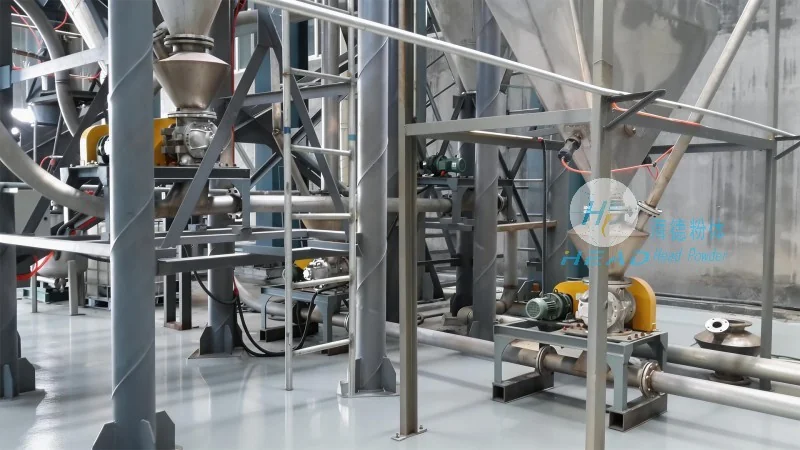
Working Principle of the Conveying System
The working principle of the pyrolysis carbon powder conveying system is based on the principles of mechanical or pneumatic transport. In mechanical conveying, a screw or belt conveyor uses rotational motion to move the powder along a defined path. The screw conveyor, for instance, features a helical screw that pushes the powder forward, while the belt conveyor relies on a moving belt to transport the material. The screw conveyor is particularly effective for handling fine powders as it provides gentle handling and prevents particle segregation. In pneumatic conveying, the system uses compressed air to transport the powder through a pipeline. The powder is introduced into the pipeline and carried by the air stream, which allows for a more flexible and compact design compared to mechanical systems. The choice between mechanical and pneumatic conveying depends on factors such as the powder's properties, the required conveying distance (ranging from a few meters to several hundred meters), and the system's cost and maintenance considerations. Pneumatic systems are often preferred for longer distances or when the powder is sensitive to mechanical stress, while mechanical systems are more suitable for shorter distances and lower material volumes.
Advantages of the Pyrolysis Carbon Powder Conveying System
The pyrolysis carbon powder conveying system offers several advantages that make it an ideal solution for industrial applications. Firstly, it ensures high efficiency in powder handling, reducing the risk of material loss and contamination. The system's design minimizes product degradation, preserving the quality of the pyrolysis carbon powder, which is critical for applications such as activated carbon production where the powder's surface area and porosity are key performance indicators. Secondly, it enhances operational safety by controlling dust generation and providing a clean working environment. The dust collection system, often equipped with filters and scrubbers, captures up to 99.9% of airborne particles, preventing respiratory hazards and maintaining compliance with environmental regulations. The automated control system reduces the need for manual intervention, minimizing human error and improving overall productivity. Additionally, the system's modular design allows for easy integration into existing production lines, providing flexibility and scalability for growing industrial needs. This adaptability enables companies to expand their operations without significant capital investment in new infrastructure.
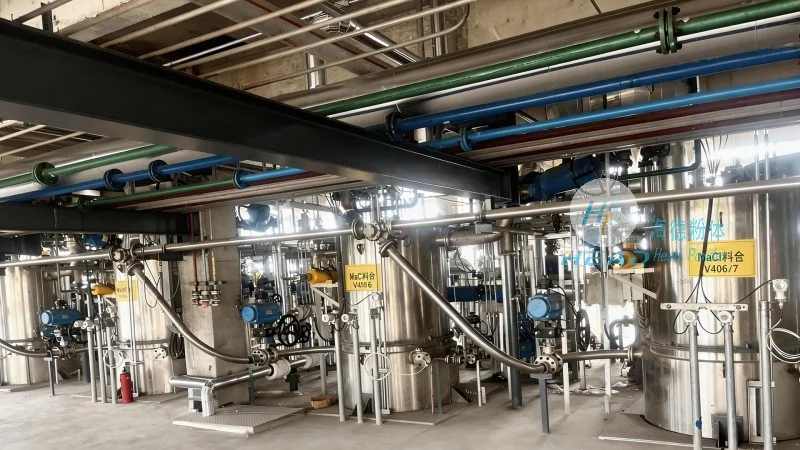
Applications and Industries
The pyrolysis carbon powder conveying system is widely used in various industries that rely on carbon materials processing. These include the production of activated carbon, carbon black, and other carbon-based products. In the activated carbon industry, the system is used to transport the carbon powder from the production line to the activation and processing stages. The powder is conveyed to the activation furnace, where it undergoes high-temperature treatment to develop its porous structure. The conveying system ensures a consistent feed rate to the furnace, which is essential for achieving uniform activation and maximizing the product's surface area. In the carbon black industry, it facilitates the handling of carbon black powders during the manufacturing and packaging processes. The system's ability to handle fine powders without segregation is particularly valuable in carbon black production, where particle size distribution directly impacts the final product's performance. The system is also applicable in research and development laboratories, where precise and controlled powder transport is essential for experimental work. Its versatility and adaptability make it a valuable asset in any industrial setting where pyrolysis carbon powders are processed, from small-scale pilot plants to large-scale commercial production facilities.




