At Shandong HeadPowder Engineering Co., Ltd., we specialize in the design, manufacturing, and implementation of advanced powder conveying systems tailored for various industrial applications. Our focus is on ensuring efficient, reliable, and safe transportation of magnesium silicate powders, a material widely used in construction, refractory, and other industries due to its excellent thermal stability and chemical resistance.
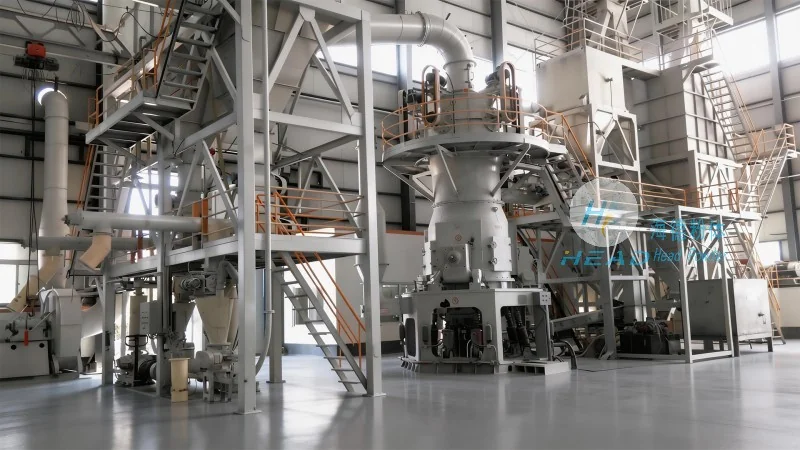
System Overview and Core Components
The magnesium silicate powder conveying system typically consists of several key components that work in tandem to achieve seamless material transport. These components include a hopper for material storage, a feeder to control the flow rate, a conveying mechanism (such as a screw conveyor or pneumatic system), and a control unit to regulate the entire process. Each component is engineered to handle the unique properties of magnesium silicate, including its fine particle size and potential for static charge accumulation, ensuring optimal performance and minimal downtime.
Material Handling and Storage
The process begins with the storage of magnesium silicate powder in a large hopper. The hopper is designed with a conical or rectangular base to facilitate uniform material flow and prevent clogging. A level sensor is often integrated to monitor the material level, providing real-time data to the control system. This ensures that the feeder receives a consistent supply of material, preventing overloading or underfeeding that could disrupt the conveying process. The storage hopper is typically made of corrosion-resistant materials like stainless steel or lined with protective coatings to withstand the chemical properties of the powder and maintain hygiene standards.
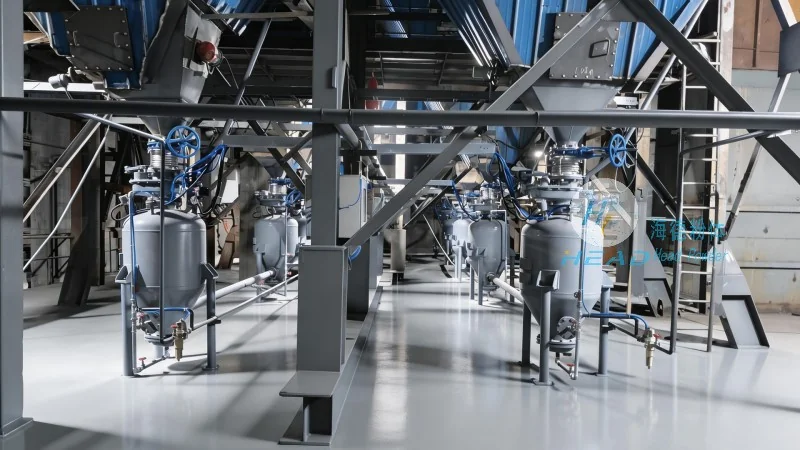
Feeding and Metering Mechanism
Once the material is in the hopper, a feeder is used to regulate the flow rate into the conveying system. Common types of feeders include rotary valves, vibratory feeders, or screw feeders, each chosen based on the specific characteristics of the magnesium silicate powder. The feeder's design ensures accurate and controlled metering, which is critical for maintaining the desired flow rate and preventing material degradation or segregation. For magnesium silicate, which can be prone to bridging or sticking, the feeder is often equipped with anti-sticking features such as vibration or heating elements to ensure smooth material release. The control unit adjusts the feeder speed in real-time, responding to changes in material level or system demand to maintain a stable conveying rate.
Conveying Methods and Technologies
The conveying mechanism is the heart of the magnesium silicate powder system, responsible for transporting the material from the hopper to the discharge point. Two primary methods are commonly employed: mechanical conveying (e.g., screw conveyors, belt conveyors) and pneumatic conveying (e.g., air slides, pressure or vacuum systems). Mechanical conveyors are suitable for short to medium distances and provide a reliable, low-maintenance solution. They consist of a rotating screw or belt that moves the powder through a tube or trough. Pneumatic systems, on the other hand, use compressed air to transport the powder, offering flexibility for longer distances and the ability to handle fine powders without the need for mechanical parts. For magnesium silicate, pneumatic conveying is often preferred due to its ability to handle fine particles and minimize material degradation. The system may also incorporate features like air filtration and dust collection to ensure environmental compliance and operator safety.
Control and Monitoring Systems
Modern magnesium silicate powder conveying systems are equipped with advanced control and monitoring systems to ensure optimal performance and safety. These systems typically include sensors for level, flow, temperature, and pressure, as well as a programmable logic controller (PLC) that integrates all data and controls the operation of the feeder, conveyor, and other components. The control unit can be programmed to follow predefined sequences or respond to real-time conditions, such as changes in material properties or system load. This automation reduces the need for manual intervention, minimizes human error, and enhances overall system efficiency. Additionally, the system may include alarms and safety interlocks to prevent overfilling, blockages, or other hazards, ensuring that the operation remains safe and compliant with industrial standards.
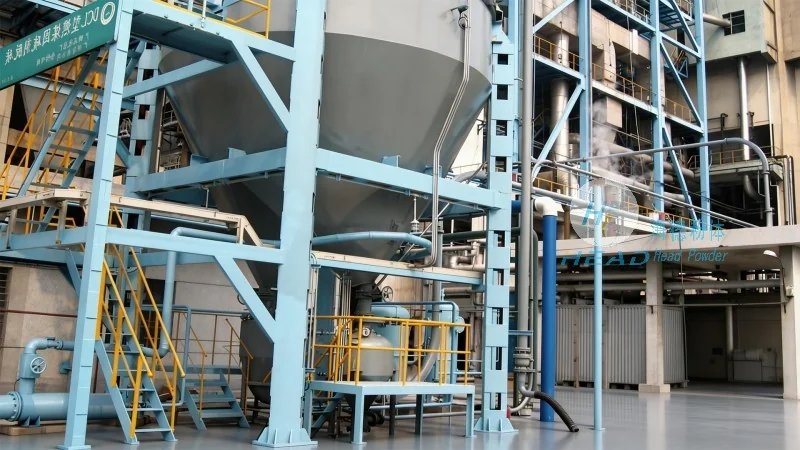
Maintenance and Operational Considerations
Proper maintenance is crucial for the long-term reliability and efficiency of the magnesium silicate powder conveying system. Regular inspections of components such as the hopper, feeder, and conveyor are necessary to detect and address issues like wear, clogging, or corrosion. For example, the screw or belt in a mechanical conveyor may require periodic lubrication or replacement to maintain smooth operation. The pneumatic system components, including filters and valves, need to be cleaned or replaced regularly to prevent dust accumulation and ensure consistent air pressure. Additionally, the system should be cleaned thoroughly after each use to prevent material buildup and maintain hygiene. Proper training of operators on the system's operation and maintenance is essential to ensure that the equipment is used correctly and any issues are addressed promptly. By following these maintenance practices, the system can operate at peak performance, minimizing downtime and maximizing productivity.
Applications and Industry Impact
The magnesium silicate powder conveying system plays a vital role in various industrial applications, particularly in the production of refractory materials, construction chemicals, and insulation products. In refractory manufacturing, the efficient transport of magnesium silicate is critical for maintaining consistent product quality and reducing production time. The system ensures that the raw material is delivered to the processing equipment in a controlled manner, preventing variations in particle size or moisture content that could affect the final product's performance. In construction, the system supports the production of cement additives and other building materials, contributing to the overall efficiency of the manufacturing process. The reliability and efficiency of the conveying system directly impact the productivity and cost-effectiveness of these industries, making it an essential component of modern industrial operations.




