Barite, a mineral widely utilized in industrial applications, requires efficient and reliable powder conveying systems to ensure smooth material handling. The operation process and working principle of a barite powder conveying system are crucial for optimizing production efficiency and maintaining product quality. This article provides a detailed overview of the system's operation, highlighting key components and the step-by-step workflow.
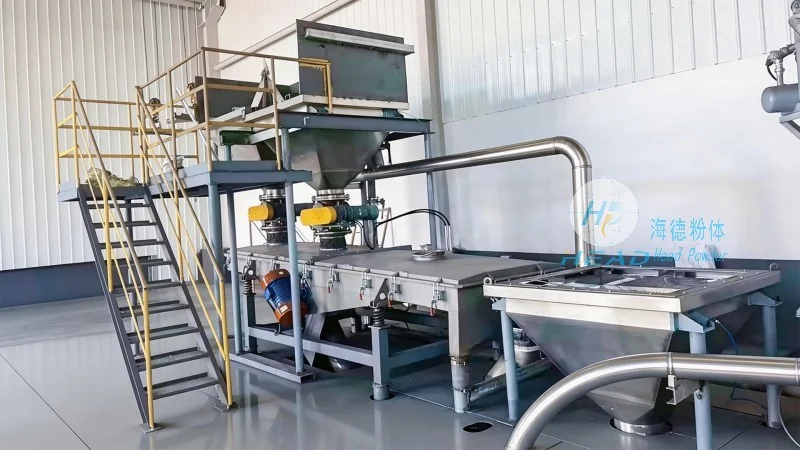
Overview of the Barite Powder Conveying System
The barite powder conveying system is designed to transport barite powder from storage silos or processing units to downstream equipment such as mixers, reactors, or packaging machines. The system typically consists of several key components, including feeders, conveyors, control systems, and dust collection units. Each component plays a vital role in ensuring the safe and efficient transfer of barite powder, minimizing material loss and maintaining environmental compliance. This system is engineered by Shandong HeadPowder Engineering Co., Ltd., a professional provider of industrial powder handling solutions.
Key Components and Their Functions
1. Barite Powder Feeders: These devices are responsible for feeding the barite powder from the storage silo into the conveying system. Common types include screw feeders, vibratory feeders, and rotary valves. The feeder controls the flow rate of the powder, ensuring a consistent and controlled supply to the conveyor. This is critical for maintaining the system's performance and preventing overloading or underloading of the conveyor.
2. Pneumatic Conveyors: Pneumatic conveying systems use air or gas to transport barite powder through a network of pipes. These systems are ideal for handling fine powders like barite, as they can transport materials over long distances with minimal dust generation. The system typically includes a blower, a hopper, and a receiver. The blower creates the necessary air pressure to move the powder, while the hopper stores the material and the receiver collects the conveyed powder at the destination.
3. Electromagnetic or Vibratory Conveyors: For applications requiring bulk material handling, mechanical conveyors such as belt conveyors or vibratory conveyors may be used. These systems use mechanical energy to move the barite powder along a conveyor belt or trough. They are suitable for transporting larger quantities of powder and can handle materials with higher moisture content or bulk density.
4. Control and Monitoring Systems: Modern barite powder conveying systems are equipped with advanced control systems that monitor and regulate the operation. These systems include sensors for flow rate, pressure, and temperature, as well as programmable logic controllers (PLCs) that adjust the feeder speed, blower pressure, and other parameters in real-time. This ensures optimal performance and helps prevent system failures or material blockages.
Step-by-Step Operation Process
The operation of a barite powder conveying system follows a systematic process to ensure efficient material transfer. Here is a detailed breakdown of the typical workflow:
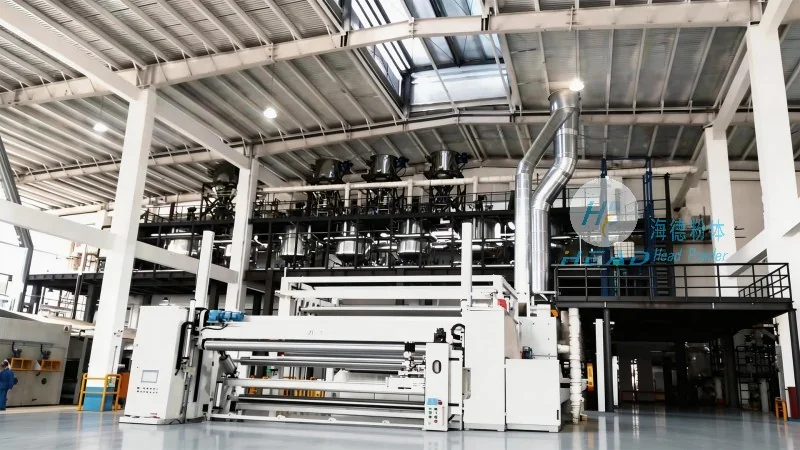
1. Material Loading: Barite powder is loaded into the storage silo from bulk containers or processing equipment. The silo is equipped with a hopper and a discharge valve to control the material flow.
2. Feeder Activation: The feeder is activated to start the flow of barite powder from the silo into the conveying system. The feeder's speed is adjusted to match the required flow rate, which is determined by the downstream equipment's capacity.
3. Pneumatic Conveying: The activated feeder feeds the barite powder into the pneumatic conveyor system. The blower generates the necessary air pressure, and the powder is carried through the pipeline to the destination point. The air and powder mixture travels at high velocity, ensuring efficient transport.
4. Material Discharge: At the receiving end, the barite powder is discharged into a hopper or storage tank. The air is then separated from the powder in a cyclone or filter system, and the clean air is released back into the environment. The separated powder is collected and transferred to the next processing stage.
5. System Monitoring and Adjustment: The control system continuously monitors the flow rate, pressure, and other parameters. If any deviations are detected, the system automatically adjusts the feeder speed or blower pressure to maintain optimal operation. This ensures consistent performance and prevents system downtime.
Working Principle of the Conveying System
The working principle of a barite powder conveying system is based on the interaction between the material and the conveying medium (air or mechanical force). In pneumatic conveying, the principle is to use the kinetic energy of the air to lift and transport the powder particles. The air velocity must be sufficient to overcome the gravitational force and the friction between the particles and the pipe walls. The system's design, including pipe diameter, length, and inclination, is carefully calculated to ensure efficient transport with minimal pressure drop.
In mechanical conveying, the principle is to use mechanical energy to move the powder along a conveyor. The conveyor belt or trough is driven by a motor, and the powder is carried by the moving surface. The speed and inclination of the conveyor are adjusted to control the material flow rate and prevent material buildup or slippage.
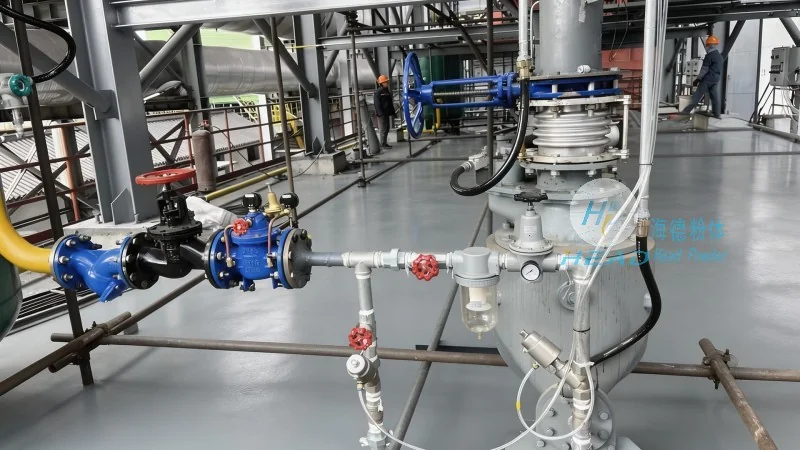
Benefits of an Efficient Barite Powder Conveying System
An efficient barite powder conveying system offers several benefits for industrial operations. These include:
1. Improved Production Efficiency: By ensuring a consistent and continuous flow of barite powder, the system reduces downtime and increases overall production output. This leads to higher productivity and lower operational costs.
2. Enhanced Product Quality: The system minimizes material degradation and contamination, ensuring that the barite powder delivered to downstream processes meets the required specifications. This is crucial for maintaining product quality and customer satisfaction.
3. Reduced Labor Costs: Automated control systems reduce the need for manual intervention, lowering labor requirements and associated costs.
4. Environmental Compliance: Modern conveying systems are equipped with dust collection and filtration systems that minimize dust emissions, ensuring compliance with environmental regulations. This helps protect the environment and maintain a safe working environment for personnel.
Conclusion
The operation process and working principle of a barite powder conveying system are critical for optimizing industrial processes. By understanding the key components and the step-by-step workflow, operators can ensure the system operates efficiently and reliably. The system's design and maintenance are essential for maximizing productivity, maintaining product quality, and complying with environmental standards. For businesses dealing with barite powder, investing in a well-designed conveying system is a key step toward achieving operational excellence. Shandong HeadPowder Engineering Co., Ltd. specializes in providing tailored solutions to meet the unique needs of barite powder handling, ensuring long-term operational success.




