HeadPowder, a leading enterprise in the field of powder conveying technology, specializes in the design, manufacturing, and installation of advanced systems for transporting fine sand and stone powders. Based in Shandong, China, the company has established itself as a reliable partner for industries requiring efficient and reliable powder handling solutions. This article provides a detailed overview of the operation process and working principle of a fine sand and stone powder conveying system, highlighting the key components and mechanisms that ensure optimal performance.
Company Background and Expertise
Shandong HeadPowder Engineering Co., Ltd., operating under the brand name HeadPowder, is a professional manufacturer dedicated to providing high-quality powder conveying equipment. With years of experience in the industry, the company has developed a deep understanding of the unique challenges associated with handling fine sand and stone powders, such as dust generation, material segregation, and system efficiency. HeadPowder's expertise lies in customizing conveying systems to meet the specific needs of clients, ensuring that each solution is tailored to the material characteristics, processing requirements, and operational environment.
Key Components of the Conveying System
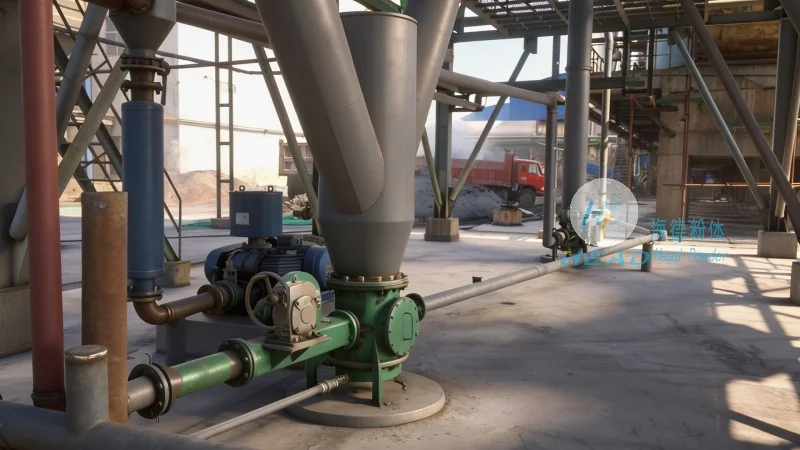
The fine sand and stone powder conveying system typically consists of several critical components that work in harmony to transport the material from the source to the destination. These components include the material hopper, feeding mechanism, conveyor line (such as screw conveyors or pneumatic systems), control panel, and discharge outlet. Each component plays a vital role in the overall operation, and their proper integration is essential for achieving consistent and reliable performance.
Operation Process: Step-by-Step Overview
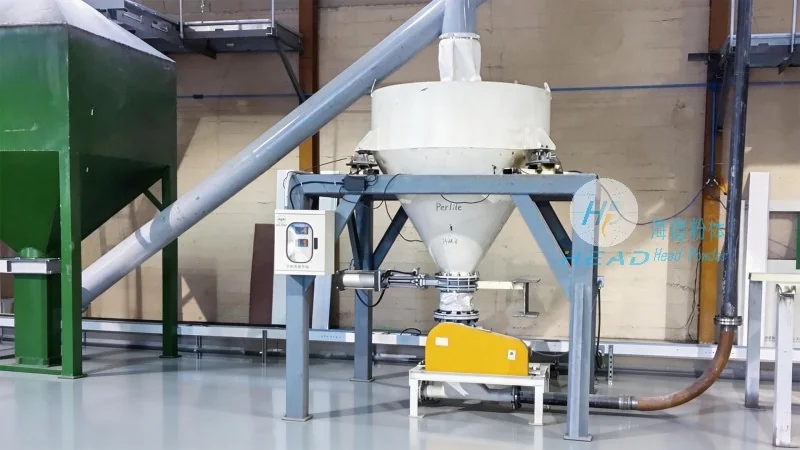
The operation of the fine sand and stone powder conveying system follows a systematic process that ensures the smooth and continuous movement of the material. The process begins with the loading of the fine sand and stone powders into the material hopper. The hopper is designed to store the material and provide a stable feeding surface, preventing material buildup and ensuring uniform flow. Once the hopper is filled, the feeding mechanism, which may be a rotary valve or a screw feeder, starts to transfer the material into the conveyor line.
As the material enters the conveyor line, it is propelled forward by the mechanical or pneumatic action of the conveyor. For screw conveyors, the rotating screw pushes the material along the tube, while pneumatic systems use compressed air to create a flow of air and material through the pipeline. The conveyor line is typically made of durable materials, such as stainless steel or high-density polyethylene, to withstand the abrasive nature of the fine sand and stone powders and prevent material degradation or system wear.
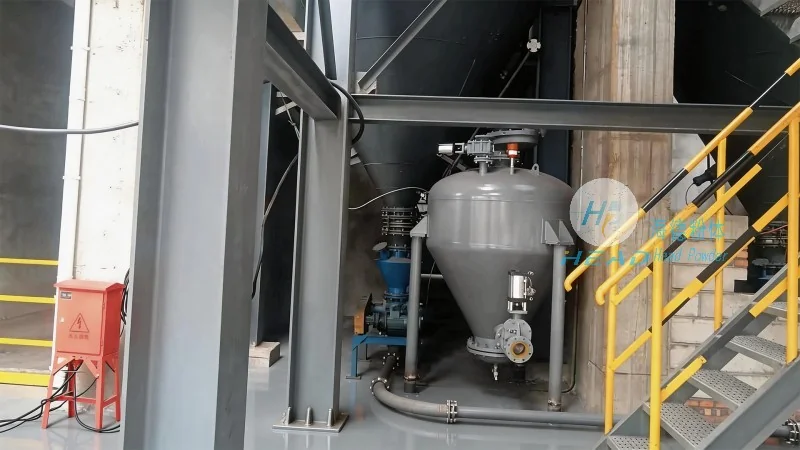
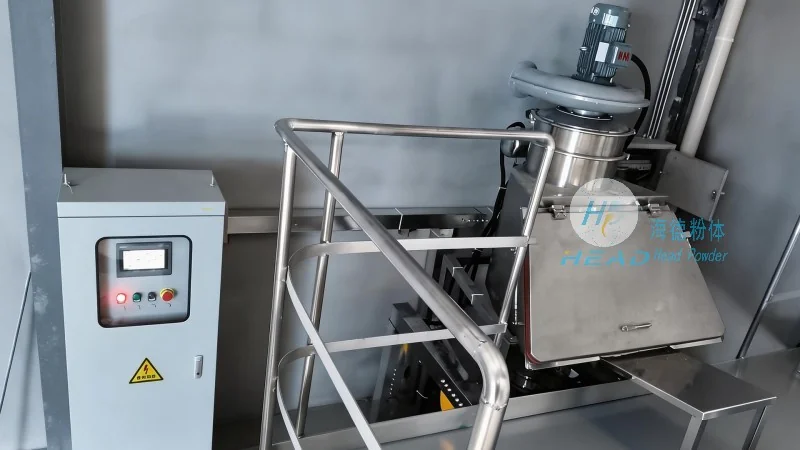
During the conveying process, the control panel monitors key parameters such as flow rate, pressure, and temperature. This allows operators to adjust the system settings in real-time to maintain optimal performance. The discharge outlet at the end of the conveyor line collects the material and directs it to the intended destination, such as a storage silo, processing unit, or packaging system. The entire operation is designed to be automated, minimizing the need for manual intervention and reducing the risk of human error.
Working Principle: Mechanical and Pneumatic Mechanisms
The working principle of the fine sand and stone powder conveying system is based on the principles of fluidization and mechanical transport. In mechanical systems, such as screw conveyors, the rotating screw creates a helical motion that moves the material forward. The pitch and diameter of the screw are carefully selected to match the material's bulk density and flow characteristics, ensuring efficient transport without excessive pressure drop or material degradation.
Pneumatic conveying systems, on the other hand, utilize the principle of air flow to transport the material. The system generates a high-velocity air stream that entrains the fine sand and stone powders, carrying them through the pipeline. The air velocity is maintained at a level that prevents material settling or clogging, while minimizing energy consumption. The choice between mechanical and pneumatic systems depends on factors such as the material's properties, conveying distance, and system cost.
Advantages and Applications
The fine sand and stone powder conveying system developed by HeadPowder offers several advantages over traditional methods, including improved efficiency, reduced dust generation, and enhanced safety. The system is particularly suitable for industries such as construction, mining, and chemical processing, where the handling of fine sand and stone powders is a common requirement. By providing a reliable and efficient solution, HeadPowder helps clients optimize their production processes, reduce operational costs, and improve overall productivity.
In conclusion, the operation process and working principle of the fine sand and stone powder conveying system are designed to ensure the safe and efficient transport of fine materials. With its advanced technology and customized solutions, HeadPowder continues to be a trusted provider of powder conveying systems, meeting the diverse needs of industries worldwide. Based in Shandong, China, the company's commitment to quality and innovation has established it as a leader in the field, delivering solutions that enhance operational performance and contribute to sustainable industrial practices.




