Industrial alkali powder conveying systems are critical components in various industrial applications, particularly in sectors that handle caustic materials such as sodium hydroxide, potassium hydroxide, and other alkaline powders. These systems ensure the safe, efficient, and reliable transport of these materials from storage to processing units. The operation and working principles of such systems are designed to meet stringent safety and performance standards, making them indispensable in chemical manufacturing, food processing, and other industries where alkali powders are utilized.
Company Background: Shandong HeadPowder Engineering Co., Ltd.
HeadPowder, a leading engineering company based in Shandong, China, specializes in the design, manufacturing, and installation of advanced powder handling systems. With a strong commitment to quality and innovation, HeadPowder has established itself as a trusted provider of industrial conveying solutions. The company’s expertise in handling caustic and abrasive powders has enabled it to deliver systems that meet the unique requirements of various industrial applications. HeadPowder’s systems are engineered to ensure optimal performance, minimal downtime, and adherence to international safety and environmental standards.
Working Principle of Industrial Alkali Powder Conveying Systems
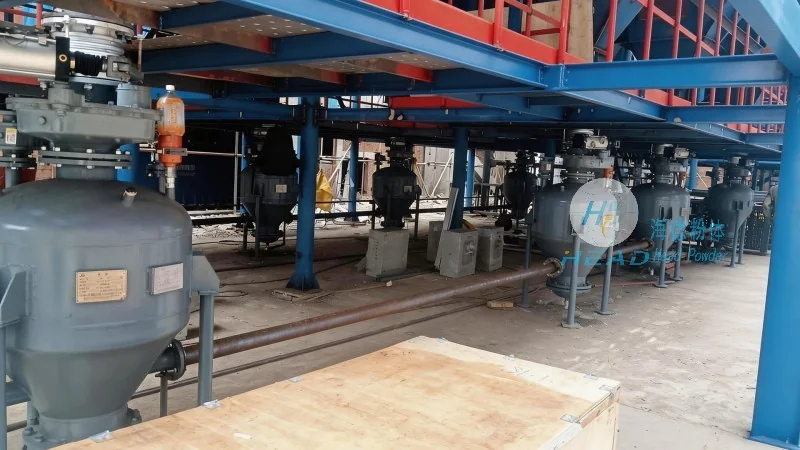
The core working principle of industrial alkali powder conveying systems revolves around the use of specialized equipment to transport powders in a controlled manner. These systems typically consist of several key components, including hoppers, feeders, conveyors, and control units. The process begins with the storage of alkali powders in bulk containers or silos. The powders are then discharged from the storage vessels into the conveying system through a hopper, which is designed to regulate the flow of material. A feeder, often a rotary or vibratory type, is used to meter the powder and ensure a consistent feed rate to the conveyor. The conveyor, which may be a pneumatic or mechanical system, transports the powder to the destination point, such as a processing reactor or a storage silo. Pneumatic conveying systems use compressed air to move the powder through pipes, while mechanical systems rely on screw conveyors, belt conveyors, or bucket elevators to transport the material. The control unit monitors the system’s operation, adjusting parameters like air pressure, feed rate, and conveyor speed to maintain optimal performance and prevent blockages or overloading.
Operation Process: Step-by-Step Overview
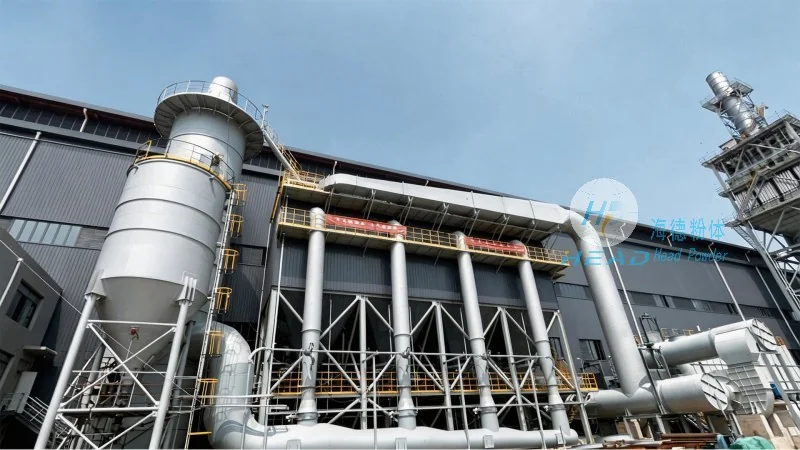
The operation of an industrial alkali powder conveying system follows a systematic sequence to ensure smooth and efficient material transport. The process starts with the preparation phase, where the storage hopper is filled with the alkali powder. Once the hopper is charged, the system’s control panel is activated, initiating the conveying sequence. The feeder then begins to discharge the powder at a predetermined rate, feeding the conveyor. The conveyor transports the powder through the system, delivering it to the target location. During operation, the control unit continuously monitors key parameters, such as pressure, flow rate, and temperature, to detect any anomalies. If a blockage or overload is detected, the system automatically shuts down to prevent damage to equipment or material spillage. The system also includes safety features, such as pressure relief valves and emergency stop buttons, to ensure operator safety. After the conveying task is completed, the system is stopped, and the hopper is emptied or refilled as needed. Regular maintenance is performed to ensure the system operates at peak efficiency, including cleaning of components, checking for wear and tear, and calibrating sensors and controls.
Key Components and Their Functions
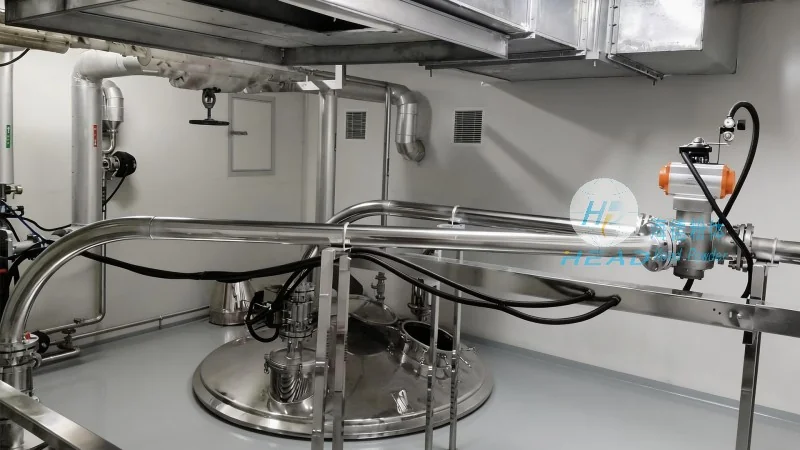
Several critical components contribute to the effective operation of industrial alkali powder conveying systems. The hopper serves as the primary storage and feeding device, ensuring a uniform flow of powder into the system. The feeder, which may be a rotary valve or a vibratory feeder, regulates the feed rate and prevents overloading of the conveyor. The conveyor, whether pneumatic or mechanical, is responsible for transporting the powder through the system. Pneumatic conveyors use compressed air to create a flow of powder through pipes, while mechanical conveyors use screws, belts, or buckets to move the material. The control unit manages the entire system, monitoring and adjusting parameters to maintain optimal performance. Sensors, such as pressure sensors and flow meters, provide real-time data to the control unit, enabling it to make adjustments as needed. Safety devices, including pressure relief valves and emergency stop buttons, protect the system and operators from potential hazards.
Advantages and Applications
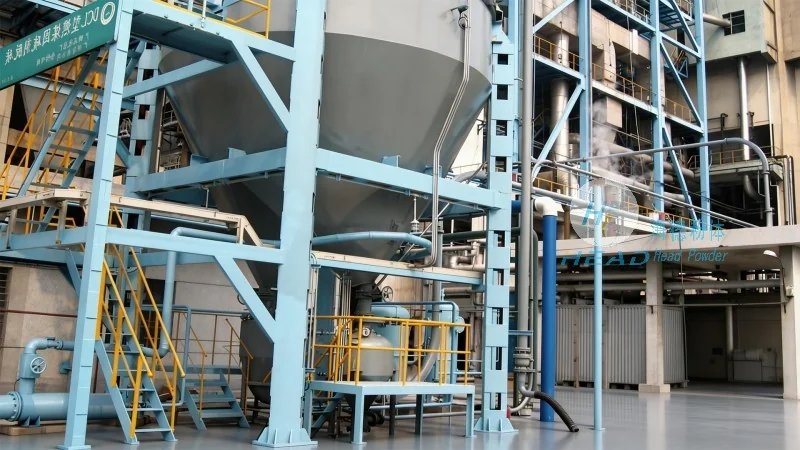
Industrial alkali powder conveying systems offer several advantages, including high efficiency, low maintenance costs, and enhanced safety. These systems are designed to handle a wide range of alkali powders, from fine to coarse particles, and can operate in various environments, including hazardous and corrosive conditions. The systems are widely used in chemical manufacturing, where they transport caustic powders to reactors and processing units. In the food industry, they are used to convey alkaline powders for processing and packaging. Other applications include the pharmaceutical industry, where they handle alkaline powders for drug formulation, and the paper industry, where they transport caustic powders for pulp processing. The systems are also used in waste management facilities, where they transport alkaline powders for treatment and disposal.
Conclusion
Industrial alkali powder conveying systems are essential for the efficient and safe handling of caustic materials in various industrial applications. The working principles and operation processes of these systems are designed to ensure optimal performance, minimal downtime, and adherence to safety standards. HeadPowder, with its expertise in powder handling technology, provides high-quality systems that meet the unique requirements of different industries. By understanding the components and operation of these systems, industries can enhance their productivity and ensure the safe handling of alkali powders.




